22 August 2026
The Ultimate 5-Day Tokyo Guide for First-Time Aussie Travellers
A five-day Tokyo itinerary for Australian first-timers, with the transport, etiquette and medication rules worth knowing before you fly.
Quick answerHow should you spend 5 days in Tokyo?
Five days in Tokyo is enough for a first-time Australian visitor to cover the main neighbourhoods without rushing every hour. Spring and autumn are the most comfortable seasons. Use a Suica or Pasmo card, keep some cash, and check Japan’s medication rules before you pack. A five-day outline follows, from Harajuku to a quieter last day.
Stepping off the plane in Tokyo for the first time is a bit like walking right into the middle of a sci-fi movie. One minute you’re dealing with the jet lag from a long-haul flight out of Sydney or Melbourne, and the next you’re standing in a neon-drenched metropolis where vending machines sell hot corn soup and ancient shrines sit quietly right next to towering skyscrapers.
If you’ve been dreaming of swapping the servo pies for sensational ramen and trading the Aussie sunshine for lantern-lit alleyways, you’re in the right place. Here is your ultimate, no-nonsense, deeply human guide to tackling Tokyo over five action-packed days.
When is the best time to visit Tokyo?
Timing can make or break your trip.
- Spring (March to May): This is prime cherry blossom (sakura) season. The weather is glorious, but expect big crowds and higher accommodation prices.
- Autumn (September to November): Crisp air, stunning orange maple leaves (koyo), and comfortable walking weather make this an absolute favourite for Aussies.
- Summer (June to August): Can be scorching, sticky, and intensely humid. If you go then, plan for regular air-con breaks.
- Winter (December to February): Chilly and crisp, but crisp blue skies mean unbeatable views of Mt. Fuji from the city.
What to Expect
- Organised Chaos: Tokyo is the safest, cleanest mega-city on earth. It’s bustling, but there’s a quiet, polite rhythm to everything.
- The Transit Dream: The trains are famously spotless and run down to the exact second. Slagging a Suica or Pasmo card onto your Apple Wallet before you leave Australia will save you countless headaches at the station gates.
- Quiet Commuting: People don’t chat loudly or take phone calls on trains. Embrace the peaceful rumble of the carriage and watch the world go by.
What should Australians know before travelling to Tokyo?
Before you pack your bags, keep a few important logistical and safety realities in mind:
- Medication and drug laws: Japan restricts many medicines sold in Australia, including some cold, flu, pain and ADHD products that contain pseudoephedrine or codeine. Travellers to Japan should check Smartraveller’s Japan advice and Japan’s medicine-import process before packing — some items need a Yunyu Kakunin-sho certificate. Japan also has zero tolerance for illegal drugs, including trace amounts.
- The Paperwork & ID Rule: Under Japanese law, foreign visitors must carry their passport with them at all times. Police have the authority to stop you and request identification.
- Cash is Still King: While card payments are much more common now, you’ll still run into plenty of ramen shops, temples, and taxis that only accept cash. Keep a stash of Yen handy, or use a 7-Eleven ATM to pull cash out.
- Nature and Climate Realities: Japan experiences seasonal extreme heatwaves in the peak of summer (requiring careful hydration to avoid heatstroke) as well as occasional seismic activity (earthquakes).
- Smoking & Public Drinking: Smoking on open streets is generally illegal across Tokyo outside of designated public smoking areas. Keep an eye out for local signage.
Always ensure you have comprehensive travel insurance that covers medical emergencies and look up updated safety tips via official resources like Smartraveller’s Japan advice page before you fly out.
How should you spend 5 days in Tokyo?
Day 1: Neon Lights & Historic Roots
- Morning: Ease into the trip with a peaceful morning stroll through Meiji Shrine, tucked inside a lush, quiet forest right in the middle of Harajuku.
- Afternoon: Dive straight into the pop-culture heartbeat of Takeshita Street for quirky fashion, then wander over to Shibuya Crossing—the busiest pedestrian intersection on earth. Grab a brew and watch the tidal wave of people from the Shibuya Scramble Square observation deck.
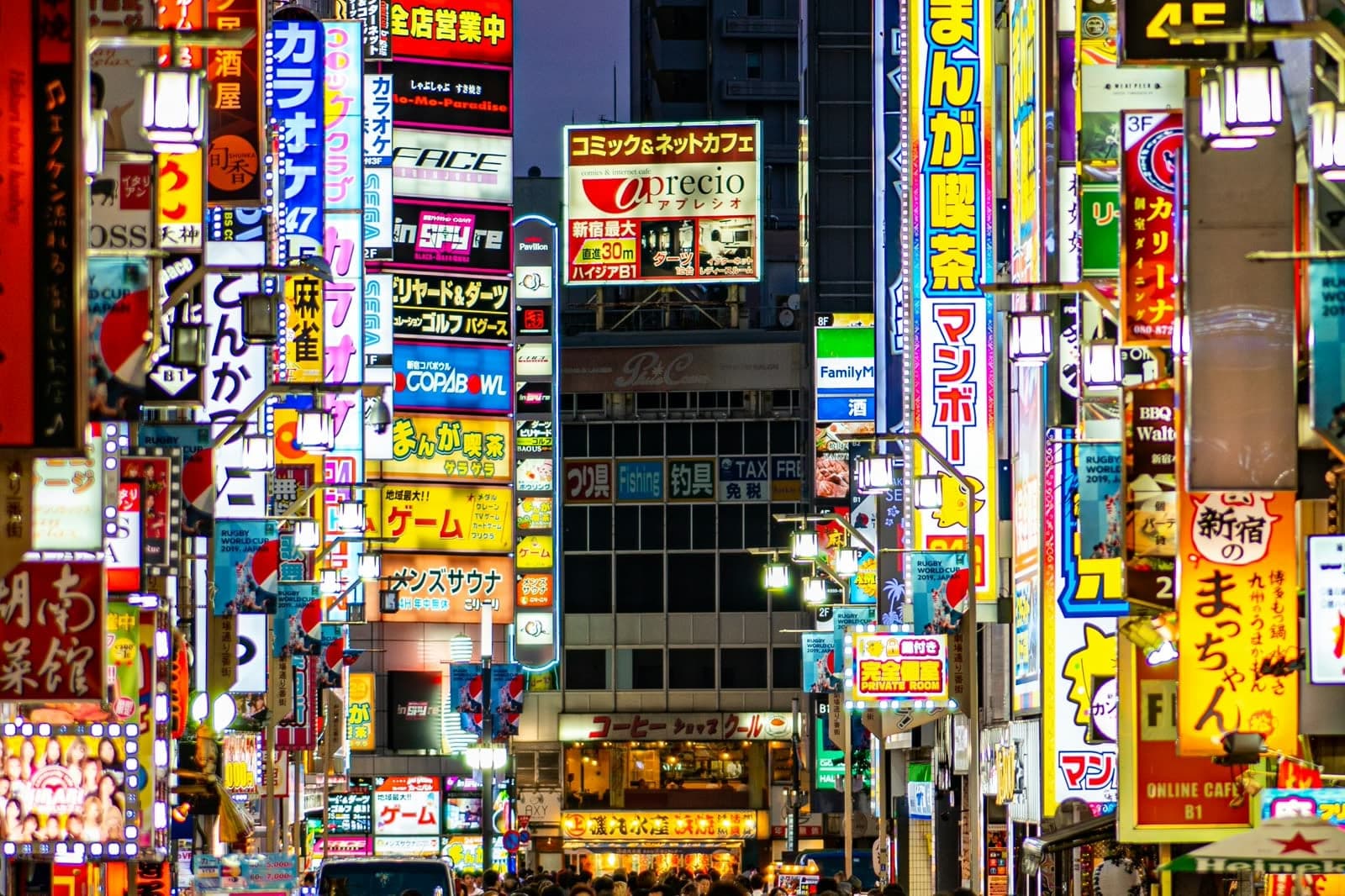
- Evening: Lose yourself in the neon maze of Shinjuku. Grab dinner at Omoide Yokocho (Memory Lane), a tiny alleyway filled with smoky yakitori stalls that seat about six people at a time.
Day 2: Old Meets New (Asakusa & Akihabara)
- Morning: Head to Senso-ji Temple in Asakusa, Tokyo’s oldest and most striking Buddhist temple. Walk through the giant Kaminarimon Gate and sample sweet red bean snacks along Nakamise-dori.
- Afternoon: Shift gears entirely and catapult yourself into the future at Akihabara, Tokyo’s electric town. Multi-story manga, anime, and retro video game shops await—even if you’re not a gamer, the sheer energy is mind-blowing.
- Evening: Find a quiet local izakaya for dinner, order an ice-cold Asahi, and let your feet recover.
Day 3: Trendsetting & Waterfront Views
- Morning: Spend your morning browsing the upscale boutiques of Omotesando, Tokyo’s answer to Paris’s Champs-Élysées, famous for its striking modern architecture.
- Afternoon: Take the train down to the futuristic waterfront area of Odaiba or catch the ferry along the Sumida River. Book tickets well in advance for teamLab Planets, an immersive, mind-bending digital art museum where you walk barefoot through water and glowing lights.
- Evening: Explore Ginza for dinner—think high-end department stores and incredible basement food halls (depachika).
Day 4: Market Floats & Street Food Trails
- Morning: Rise early and head to the Tsukiji Outer Market. While the inner wholesale fish market moved to Toyosu, Tsukiji’s bustling outer alleys are still a maze of fresh seafood skewers, wagyu beef bites, and sweet tamagoyaki (rolled omelettes).
- Afternoon: Take a relaxed wander around Ueno Park and visit the Tokyo National Museum if you fancy a dose of deep history.
- Evening: Head to Ameyoko Market nearby—a lively, open-air street market bustling with cheap eats, clothing stalls, and local character.
Day 5: Neighbourhood Chills & Hidden Gems
- Morning: Spend your final day in Nakameguro, a trendy canal-side neighbourhood lined with indie coffee shops, boutique clothing stores, and great record shops.
- Afternoon: Alternatively, check out Yanaka, one of Tokyo’s old shitamachi (working-class downtown) neighbourhoods that survived WWII. It feels like stepping back into the 1950s, complete with sleepy alley cats and traditional craft shops.
- Evening: Enjoy a final sunset dinner at a cosy neighbourhood ramen shop, reflecting on an unforgettable week.
Five days in Tokyo is enough to fall in love with the city. But you’ll leave knowing you’ve only scratched the surface. That’s the beauty of Tokyo: there’s always a reason to come back.
Offbeat Travel Experiences
Want to ditch the typical tourist path for a day?
- Shimokitazawa: Just a short train ride from Shibuya, this is Tokyo’s indie capital. Think vintage clothing treasure troves, narrow pedestrian-only streets, and tiny live music bars.
- Todoroki Valley: Believe it or not, Tokyo has a natural river gorge complete with bamboo groves and ancient temples, located right in the south of the city. Perfect for escaping the concrete jungle.
The Food Scene (Way Beyond Sushi)
Japanese food in Tokyo is a religion, and it goes way beyond raw fish:
- Ramen & Tsukemen: Look for tiny ticket-vending machine shops where you buy your meal voucher at the door.
- Izakayas: Japanese pubs where you order a parade of small plates—think grilled chicken skewers, edamame, potato salad, and crisp beer.
- Convenience Store Culture: Do not sleep on Lawson, FamilyMart, or 7-Eleven. Their egg salad sandwiches (tamago sando) and freshly baked pastries are legendary for a quick, cheap breakfast on the go.
Cultural Immersion & Etiquette
Immersing yourself gracefully goes a long way:
- Shoes Off: Always slip off your shoes when entering traditional homes, ryokans, temple halls, and some restaurants. Keep an eye out for slippers.
- Cash Trays: When paying in shops, don’t hand cash directly to the cashier; place your notes and coins on the small tray provided at the register.
- No Walking and Eating: It’s generally considered poor form to walk down the street eating a snack. Grab your street food, eat it near the stall where you bought it, and then move on.
Pack your appetite, comfortable walking shoes, and a sense of adventure—Tokyo is waiting! Call Pauls Travel on 03 9070 7461 today to book your next Japan trip.