Africa: A continent of extraordinary journeys
South Africa, Kenya, Tanzania, Botswana, Namibia, Egypt, Morocco, Uganda and Rwanda — how to choose a region, and why it is better not to cover the continent.
Quick answerHow do I choose an Africa itinerary from Australia?
Africa is a continent of different journeys, not one itinerary. From Australia, most travellers start with one focused trip: a South African circuit, an East African safari, a Nile journey, or Namibia or Morocco. Distances are large and health, visa and safety advice differ by country. Check Smartraveller before you book.
Africa is not one travel experience. It is a continent of vast differences: desert and rainforest, ancient cities and open savannah, Indian Ocean beaches and high mountain ranges.
You might begin in Cape Town, where a city of galleries, restaurants and coastal roads sits below Table Mountain, then travel north to a private reserve in search of lions and elephants. You might follow the Nile past temples that have outlasted empires, stand before the spray of Victoria Falls or watch the Serengeti shift with the movement of wildebeest.
Africa rewards a slower kind of travel. The distances are substantial, the landscapes change gradually and the most memorable moments often arrive between the headline sights: a dawn coffee beside a waterhole, a conversation with a local guide, a dhow sailing across a coastal bay or the first call of birds as the bush wakes.
At Pauls Travel, we can help turn a long-held idea of Africa into a considered journey, with the right combination of wildlife, culture, scenery, cities and time to rest.
Australian travel advice currently lists different risk levels across African destinations, including a high degree of caution for South Africa, Egypt, Zimbabwe, Kenya and Tanzania, while advice can vary by region within a country. Treat this information as essential planning guidance, not an afterthought. Check Smartraveller for the current advice before you book and again before you fly.
Where should you begin?
The best African itinerary starts with a question: what do you want the journey to feel like?
South Africa is one of the most flexible introductions, combining Cape Town, the Winelands, the Garden Route, coastal scenery and accessible safari parks. Kenya and Tanzania are natural choices for classic East African wildlife, from the Maasai Mara and Serengeti to the Ngorongoro Crater and the beaches of Zanzibar.
Zimbabwe and Zambia offer some of the continent's most dramatic landscapes, including Victoria Falls, walking safaris and river-based wildlife experiences. Botswana is known for the Okavango Delta, Chobe and a more wilderness-focused style of safari.
Namibia is made for open roads, desert landscapes and dramatic light. Egypt links ancient history with the Nile, temples and the cities of Cairo and Luxor. Morocco brings medinas, mountains and the Sahara, while Uganda and Rwanda offer forest trekking and the rare privilege of observing mountain gorillas.
The continent also includes Madagascar, Malawi, Mozambique, Mauritius, the Seychelles and many other destinations where beaches, wildlife and culture can be combined in different ways.
South Africa
A country of remarkable variety.
South Africa is often the most adaptable African destination for first-time visitors. It combines sophisticated cities, dramatic coastlines, vineyards, mountains, wildlife reserves and a food scene that deserves its own itinerary.
Cape Town
Cape Town is a city shaped by geography. Table Mountain rises above the centre, the Atlantic surrounds the peninsula and the Cape's roads lead to beaches, vineyards and historic towns.
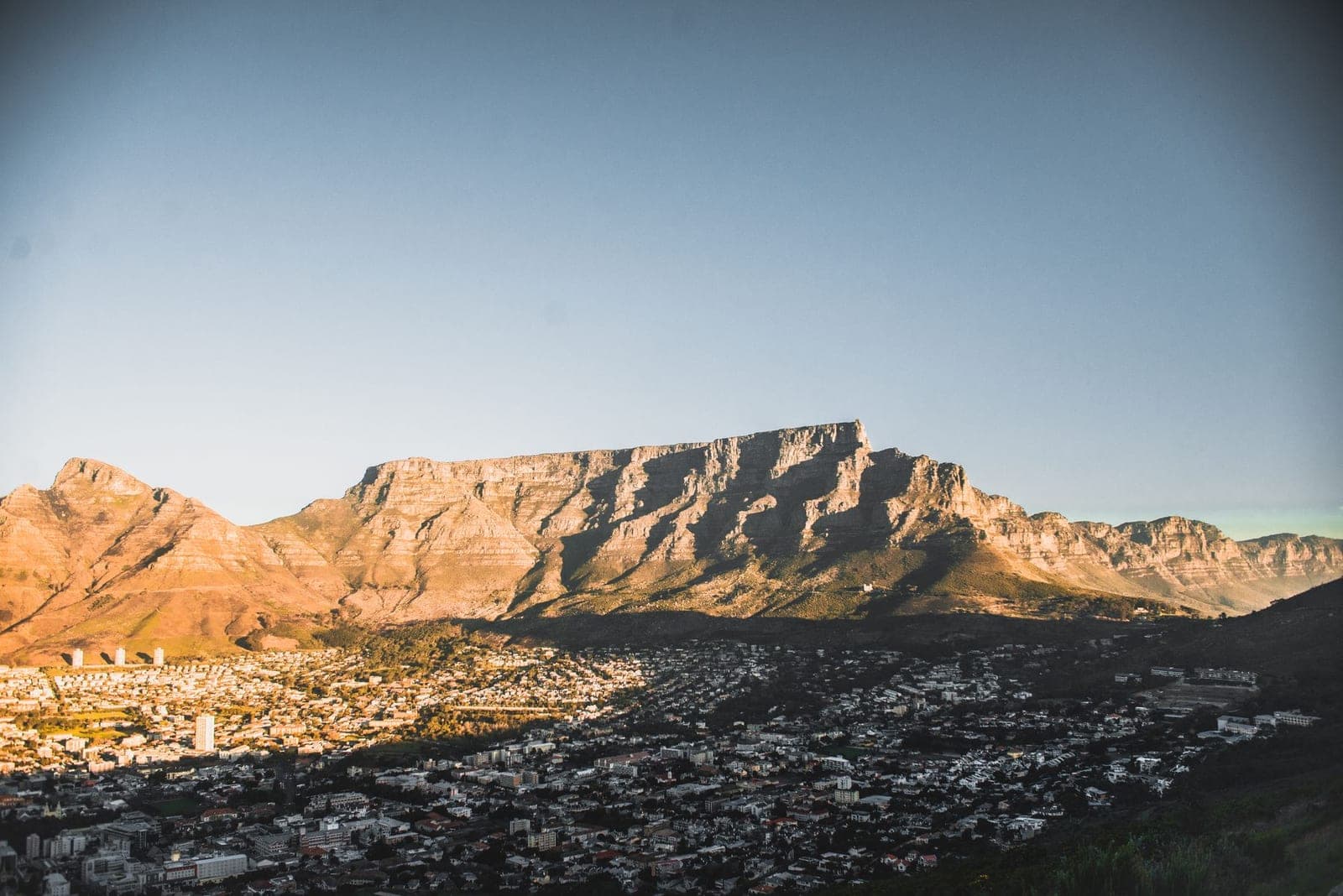
Make time for:
- Table Mountain, subject to weather and cableway conditions.
- The neighbourhoods and galleries of the city centre.
- Robben Island, with advance planning.
- The Cape Peninsula and Cape Point.
- Boulders Beach and its African penguins.
- Kirstenbosch National Botanical Garden.
- The Bo-Kaap and its culinary traditions.
- A meal in one of the city's excellent restaurants.
Cape Town works well as both a destination in its own right and the beginning of a longer journey.
The Winelands
Stellenbosch, Franschhoek and Paarl sit among vineyards, mountains and historic Cape Dutch architecture. Beyond tastings, the region offers farm-to-table dining, galleries, markets and walking trails.
A private driver or guided route allows you to enjoy the wines without having to navigate the roads yourself.
The Garden Route and Eastern Cape
The Garden Route links coastal forests, lagoons, beaches and small towns, although it is best travelled at a measured pace rather than as a series of quick stops.
The Eastern Cape is useful for combining coast and safari, with several private reserves offering malaria-free wildlife experiences. Game viewing varies by reserve, but these areas can be especially appealing to families and travellers on a first safari.
Kruger National Park and private reserves
Kruger is one of Africa's best-known wildlife destinations, with a large network of public roads and a wide range of accommodation.
Private reserves adjoining Kruger can offer a more structured safari experience, including guided game drives, walking activities and access to areas closed to general self-drive traffic. The choice between Kruger and a private reserve depends on how independent you want to be, your budget and the style of safari you prefer.
Experiences to include
- Take a guided game drive.
- Pair Cape Town with the Winelands.
- Walk a coastal trail.
- Visit a local food market.
- Stay in a private reserve or safari lodge.
- Explore the Cape Peninsula.
- Learn about South African history and contemporary culture.
- Add a few days on the coast after a safari.
Best for
First-time visitors to Africa, families, couples, food and wine lovers, road-trippers and travellers seeking variety.
Safari
The rhythm of the bush.
A safari is not simply a search for the Big Five. It is a way of paying attention to a landscape.
The day often begins before sunrise, when animals are active and the air is cool. After a morning drive, there may be time for breakfast, a rest, a swim or a guided walk before heading out again in the late afternoon.
Wildlife is never guaranteed. That uncertainty is part of the experience. A safari might deliver lions on a riverbank, elephants moving through mopane woodland or a leopard glimpsed for only a few seconds. It may also be a morning spent watching weaverbirds build nests or giraffes crossing the road.
Choosing a safari style
Private reserves often offer smaller vehicles, specialist guides, night drives and walking safaris, subject to local rules. They can be a good choice for travellers seeking a more personalised experience.
National parks provide access to larger protected areas and may offer a broader range of accommodation and price points. Some allow self-driving, while others rely on organised vehicles.
Walking safaris change the scale of the bush. Tracks, dung, calls and plants become as important as large animals. Walking safaris should always be led by qualified guides and are generally best suited to older children and adults.
Water-based safaris in Botswana's Okavango Delta and parts of Zambia and Zimbabwe use mokoro excursions and river cruises to offer a different perspective on wildlife and wetlands.
The Big Five and beyond
The lion, leopard, elephant, rhinoceros and buffalo remain a major draw, but Africa's wildlife experience is far broader.
Look for:
- Cheetahs.
- Wild dogs.
- Giraffes.
- Hippos and crocodiles.
- Zebras and wildebeest.
- Antelope species.
- Migratory and endemic birds.
- Primates and nocturnal species.
- Smaller creatures that are easy to miss from a vehicle.
The most responsible safari operators keep a respectful distance, follow park regulations and support conservation and local communities.
Kenya
Classic East African landscapes.
Kenya is a strong choice for a first safari, with varied landscapes, established guiding and the possibility of combining wildlife with the coast.
Maasai Mara
The Maasai Mara is known for open grasslands, big cats and seasonal wildebeest movement. The migration is not a single event that occurs on one fixed date; it moves according to rainfall and grazing conditions.
Even outside the busiest migration period, the Mara can provide excellent game viewing. A hot-air balloon flight, where available and weather permitting, offers a quiet view of the landscape at sunrise.
Amboseli and the foothills of Mount Kenya
Amboseli is known for its elephant herds and views towards Mount Kilimanjaro. The landscape changes from dry plains to wetlands and woodland, creating a varied habitat.
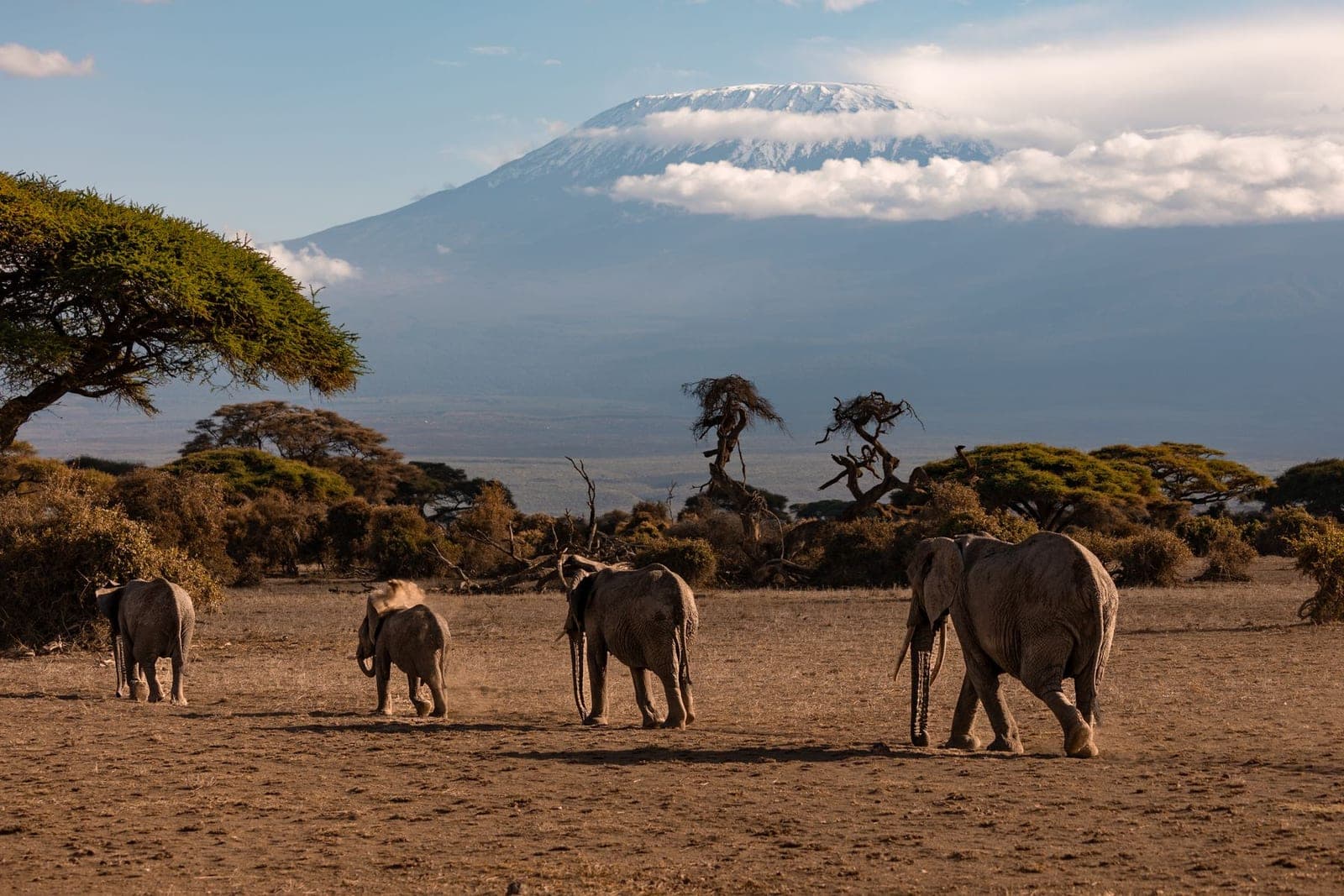
Mount Kenya and the Laikipia region offer a different style of safari, with conservancies, walking, horseback experiences and a stronger focus on conservation.
The Kenyan coast
After a safari, the beaches around Diani, Watamu and the Lamu Archipelago provide a change of pace. The coast has its own Swahili history, architecture and food traditions, making it more than a simple beach extension.
Experiences to include
- A game drive in the Maasai Mara.
- A conservation-focused visit in a private conservancy.
- A cultural experience arranged with local communities.
- A balloon flight over the Mara, subject to conditions.
- A few days on the Kenyan coast.
- A visit to Nairobi's museums, restaurants or conservation projects.
Best for
First-time safari travellers, families with older children, couples and travellers who want to combine wildlife with the coast.
Tanzania and the Serengeti
The great plains.
Tanzania offers some of East Africa's most recognisable landscapes. The Serengeti's open plains, the Ngorongoro Crater's enclosed ecosystem and the forests and mountains beyond create a powerful first safari.
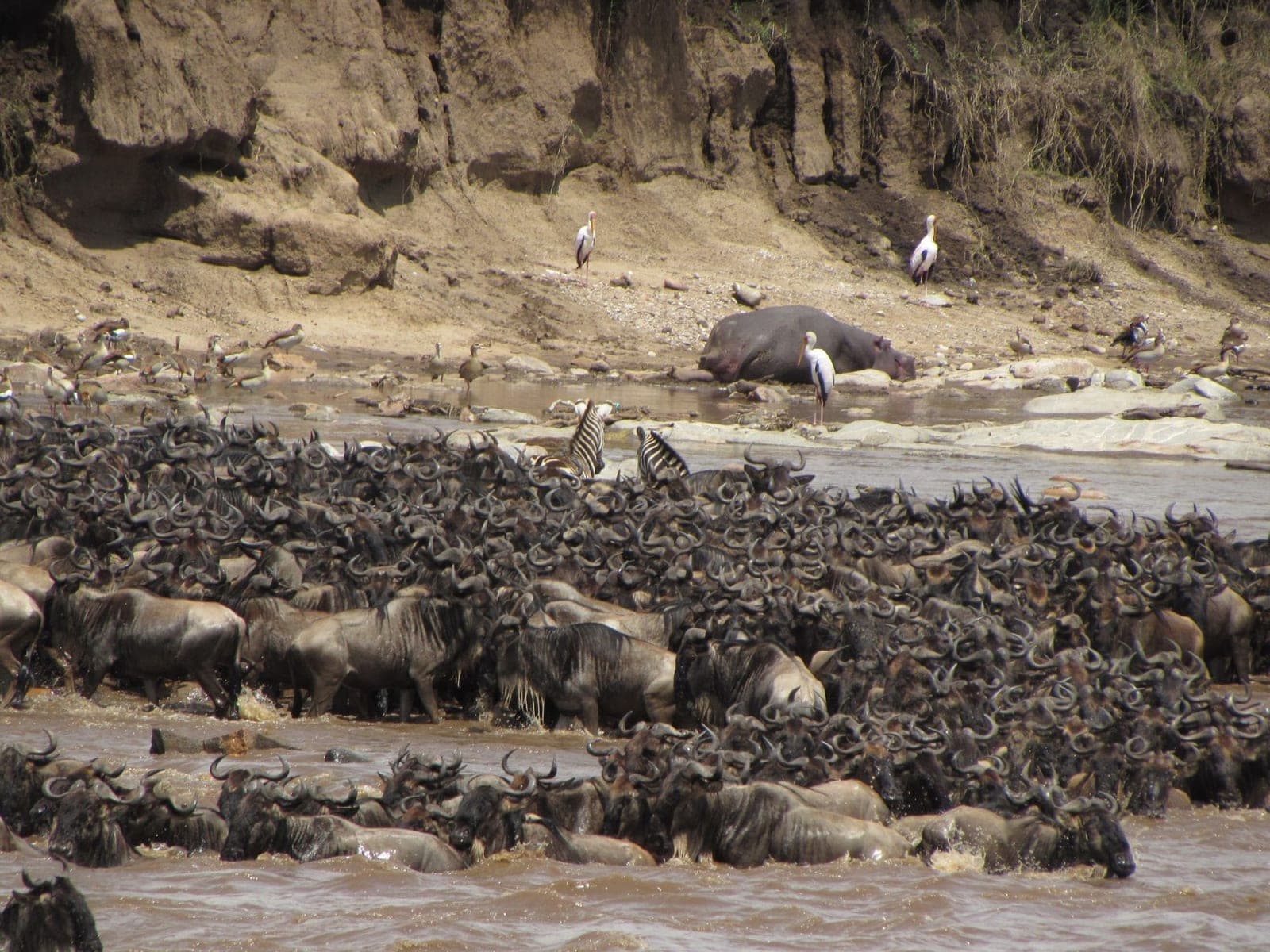
Serengeti National Park
The Serengeti is immense, and the best region to visit depends on the season. The annual movement of wildebeest and zebra follows rainfall and fresh grazing, so route planning matters.
Beyond the migration, the Serengeti offers the chance to see lions, cheetahs, leopards, elephants, giraffes, hippos and a wealth of birdlife.
Ngorongoro Crater
The crater is a striking wildlife destination, with steep walls surrounding grasslands, lakes and woodland. It is often included in northern Tanzania itineraries, although its popularity means early starts and careful planning can improve the experience.
Southern Tanzania
Ruaha and Nyerere National Parks offer a quieter alternative to the northern circuit. They are well suited to travellers who want fewer vehicles, a more remote atmosphere and a longer safari.
Zanzibar
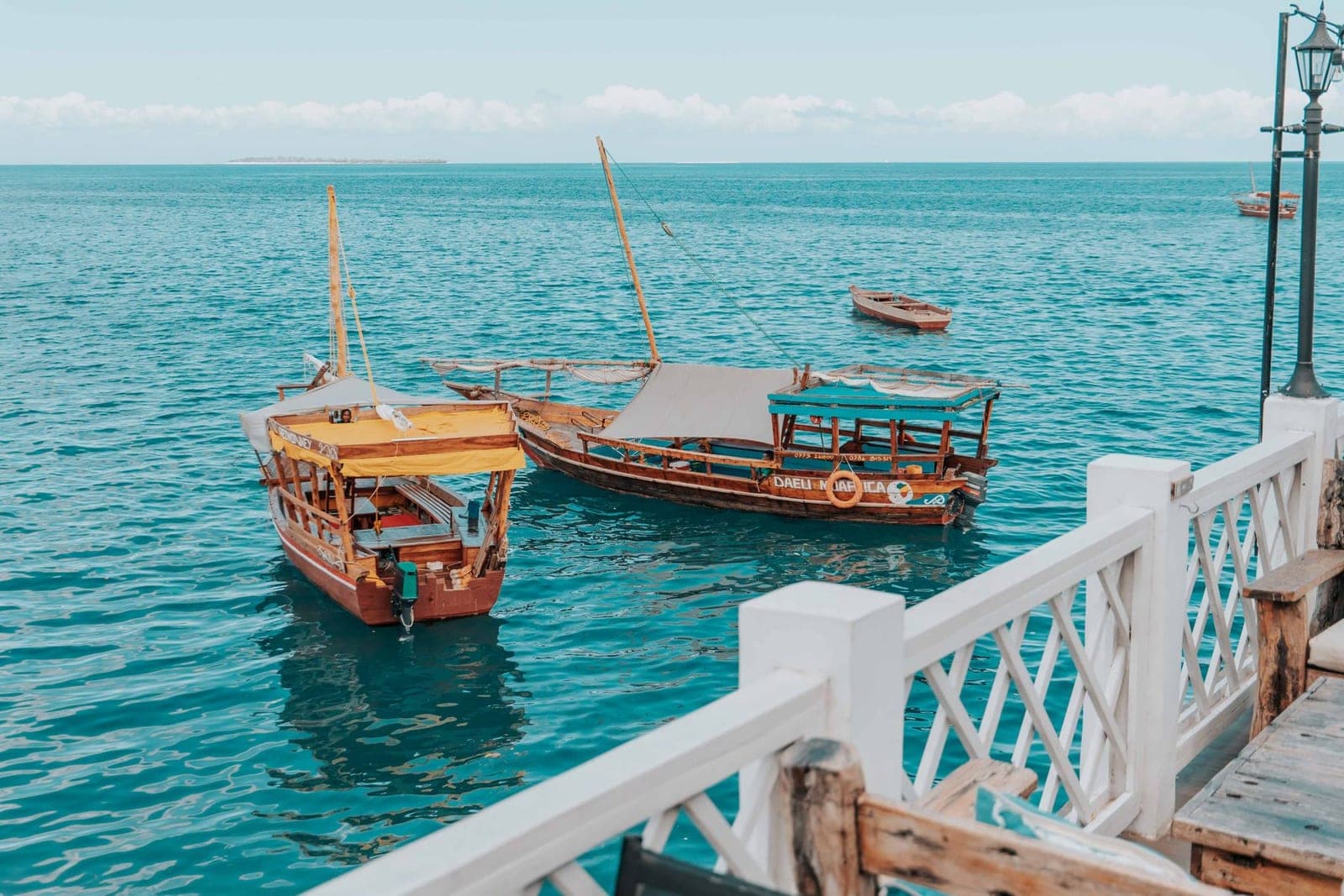
Zanzibar adds history and coastline to a Tanzanian journey. Explore Stone Town, visit a spice farm, sail on a traditional dhow or spend time on the beaches of the east and north coasts.
Experiences to include
- A game drive in the Serengeti.
- A conservation or community experience.
- A guided walk where permitted.
- A crater visit in Ngorongoro.
- A hot-air balloon flight in the Serengeti, subject to conditions.
- A few nights in Stone Town.
- A beach stay in Zanzibar.
Best for
Classic safari, wildlife photography, couples, honeymooners and travellers drawn to the scale of the migration.
Botswana
Water, wilderness and quiet encounters.
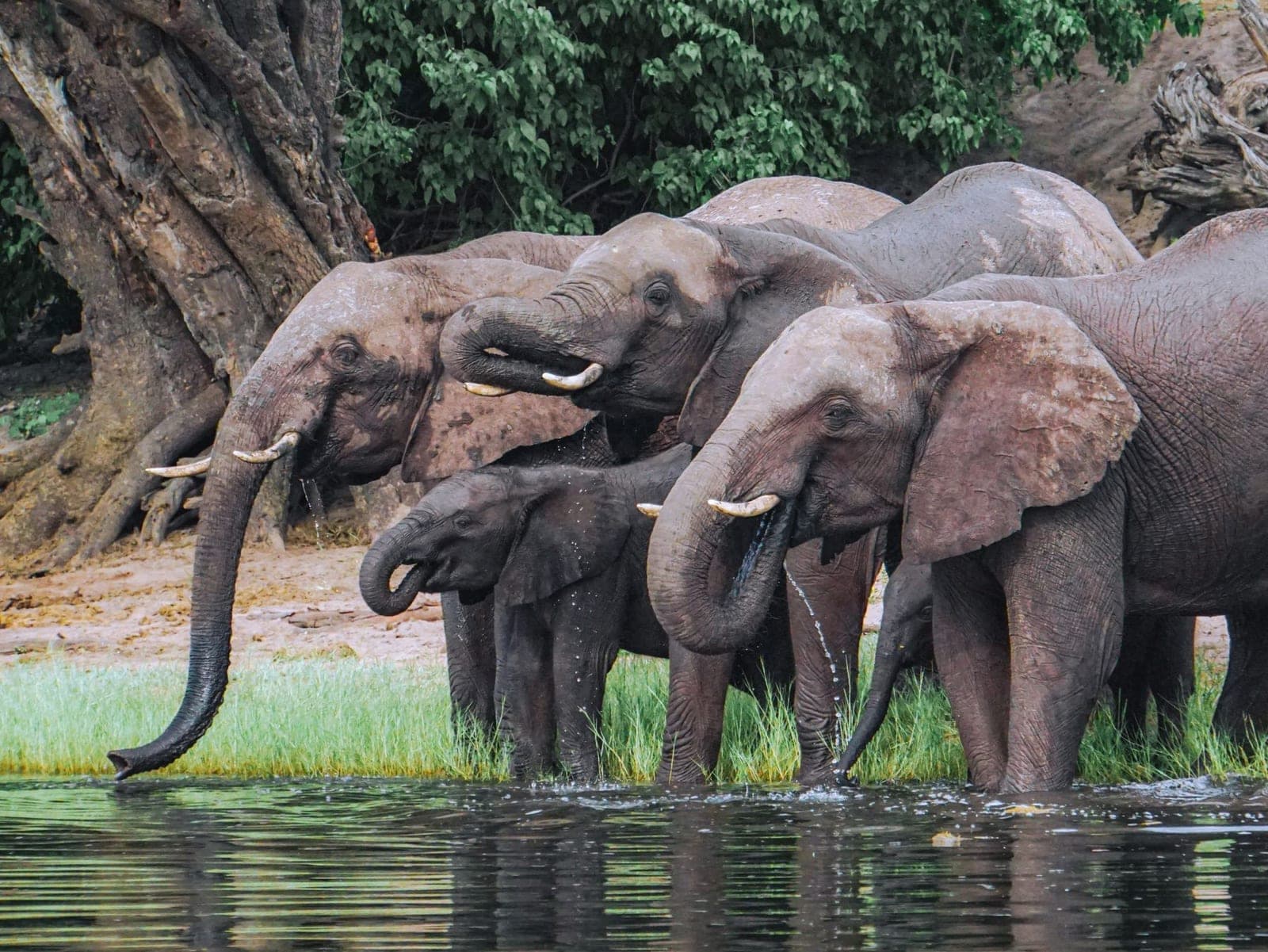
Botswana offers a more wilderness-focused safari experience, from the waterways of the Okavango Delta to the elephant country of Chobe and the salt pans of the Makgadikgadi.
Okavango Delta
The Okavango is a seasonal inland delta where water spreads across floodplains instead of reaching the sea. The experience changes with water levels: mokoro trips, boat excursions, walking and game drives may all form part of an itinerary.
The Delta is particularly rewarding for travellers who enjoy smaller camps, skilled guiding and a feeling of being immersed in the landscape.
Chobe National Park
Chobe is known for elephants, riverfront wildlife and boat-based viewing. It can be combined with Victoria Falls, making it a practical part of a larger southern African journey.
Makgadikgadi and the Central Kalahari
The salt pans and desert landscapes offer a different scale and atmosphere. Depending on the season, wildlife, birdlife and cultural experiences can be incorporated into a longer route.
Best for
Experienced safari travellers, photographers, couples and anyone seeking a quieter, wilderness-oriented journey.
Victoria Falls
Where the river meets the edge.
Victoria Falls lies on the Zambezi River along the border between Zimbabwe and Zambia. The falls are known locally as Mosi-oa-Tunya, "the smoke that thunders", a name that captures the sound and spray rising from the gorge.
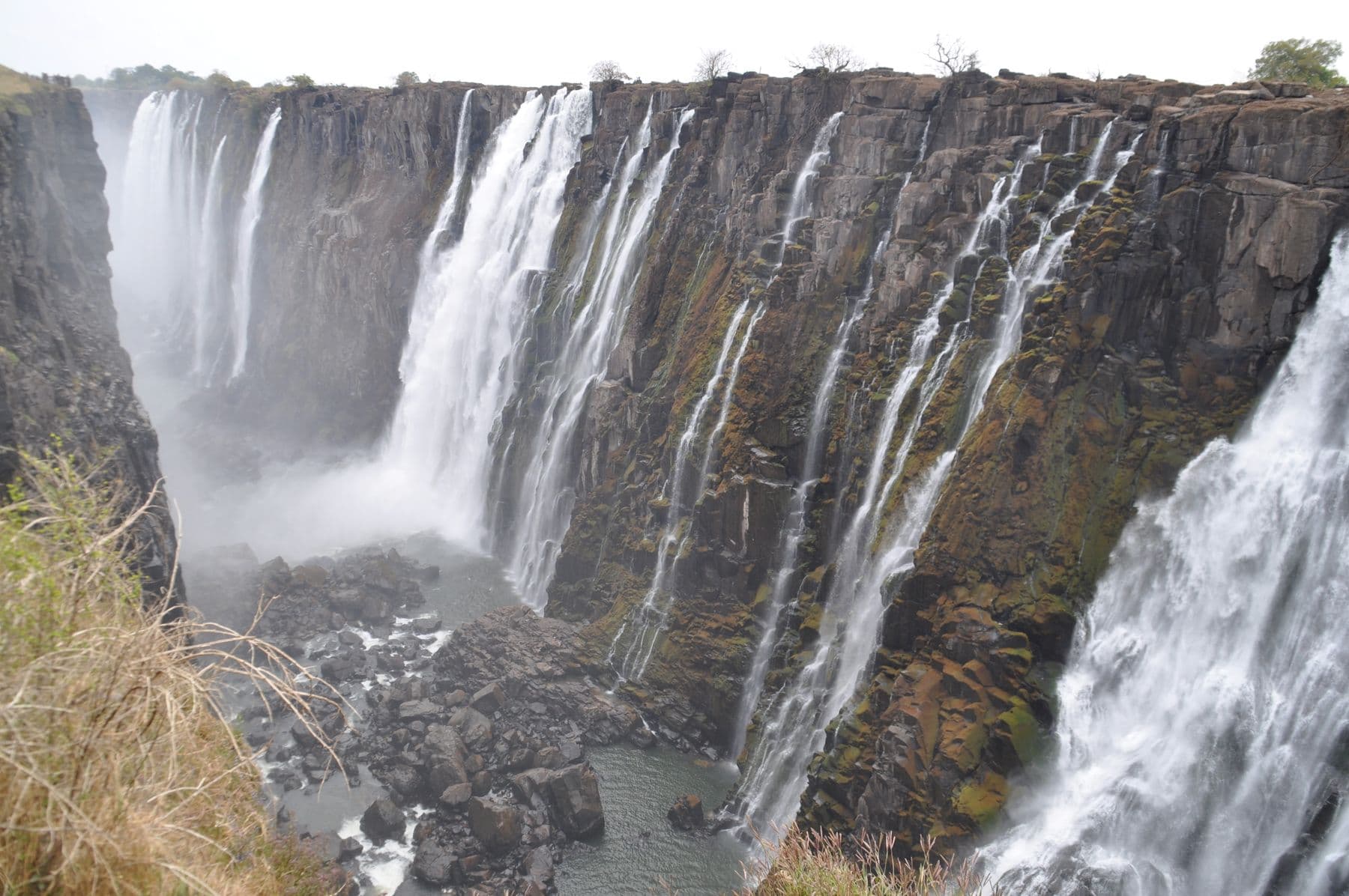
The experience changes through the year. At high water, the falls can produce enormous spray and dramatic viewpoints; later in the dry season, individual cataracts and the shape of the gorge may be more visible.
Victoria Falls town and the Zambian side
The Zimbabwean side provides access to a broad sequence of viewpoints and is often the easiest introduction. Livingstone, on the Zambian side, offers river activities, museums and access to different perspectives.
Experiences to include
- Walk the viewpoints around the falls.
- Take a sunset cruise on the Zambezi.
- Join a guided canoeing or rafting excursion where conditions permit.
- Visit a local craft market.
- Take a scenic flight over the falls.
- Combine the falls with Chobe or a safari in Zimbabwe or Zambia.
- Learn about the river and local communities from a qualified guide.
Adventure activities are seasonal and safety-dependent. Water levels, park rules and operator requirements should be checked before booking.
Best for
First-time visitors to southern Africa, adventure travellers, couples and safari combinations.
Namibia
Desert horizons and open roads.
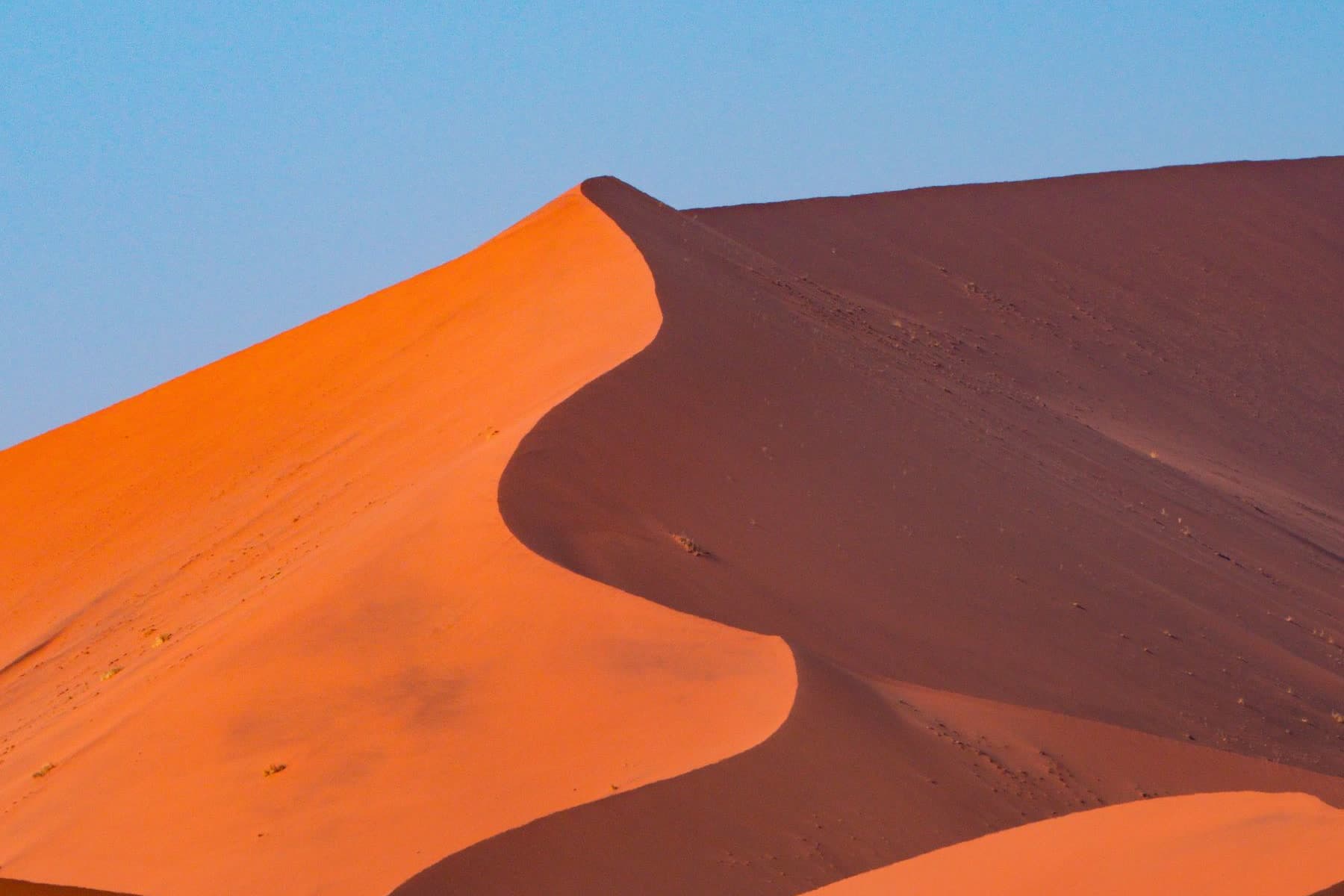
Namibia is a country of space. The distances are considerable, but so are the rewards: red dunes, white salt pans, rocky desert, shipwreck coastlines and wildlife gathered around remote waterholes.
Sossusvlei and the Namib Desert
The dunes around Sossusvlei are among Namibia's most recognisable landscapes. Early morning is the best time to experience the changing light and cooler temperatures.
Etosha National Park
Etosha is built around a large salt pan and a series of waterholes. Self-drive is possible on many routes, although a private guide can add depth and improve route planning.
Swakopmund and the Skeleton Coast
Swakopmund offers a coastal base for desert excursions, while the Skeleton Coast is a more remote environment of dunes, fog, shipwrecks and wildlife.
Experiences to include
- Climb a dune at sunrise.
- Visit Deadvlei and Sossusvlei with a qualified guide.
- Track wildlife around Etosha's waterholes.
- Take a scenic flight over desert landscapes.
- Explore Swakopmund's German colonial architecture and restaurants.
- Visit a Himba community through a responsible cultural operator.
- Drive between desert lodges with time for the distances.
Best for
Photographers, road-trippers, adventure travellers and visitors who prefer landscapes to large cities.
Egypt
Civilisations along the Nile.
Egypt's ancient monuments are familiar, but their scale is difficult to understand until you stand beside them. The country's history is not confined to a museum: it follows the Nile through temples, tombs, villages and cities.
Cairo and Giza
Cairo is busy, layered and full of contrasts. The Pyramids of Giza and the Sphinx are essential, but the city also deserves time for the Egyptian Museum, Islamic Cairo, Coptic Cairo, markets and riverfront dining.
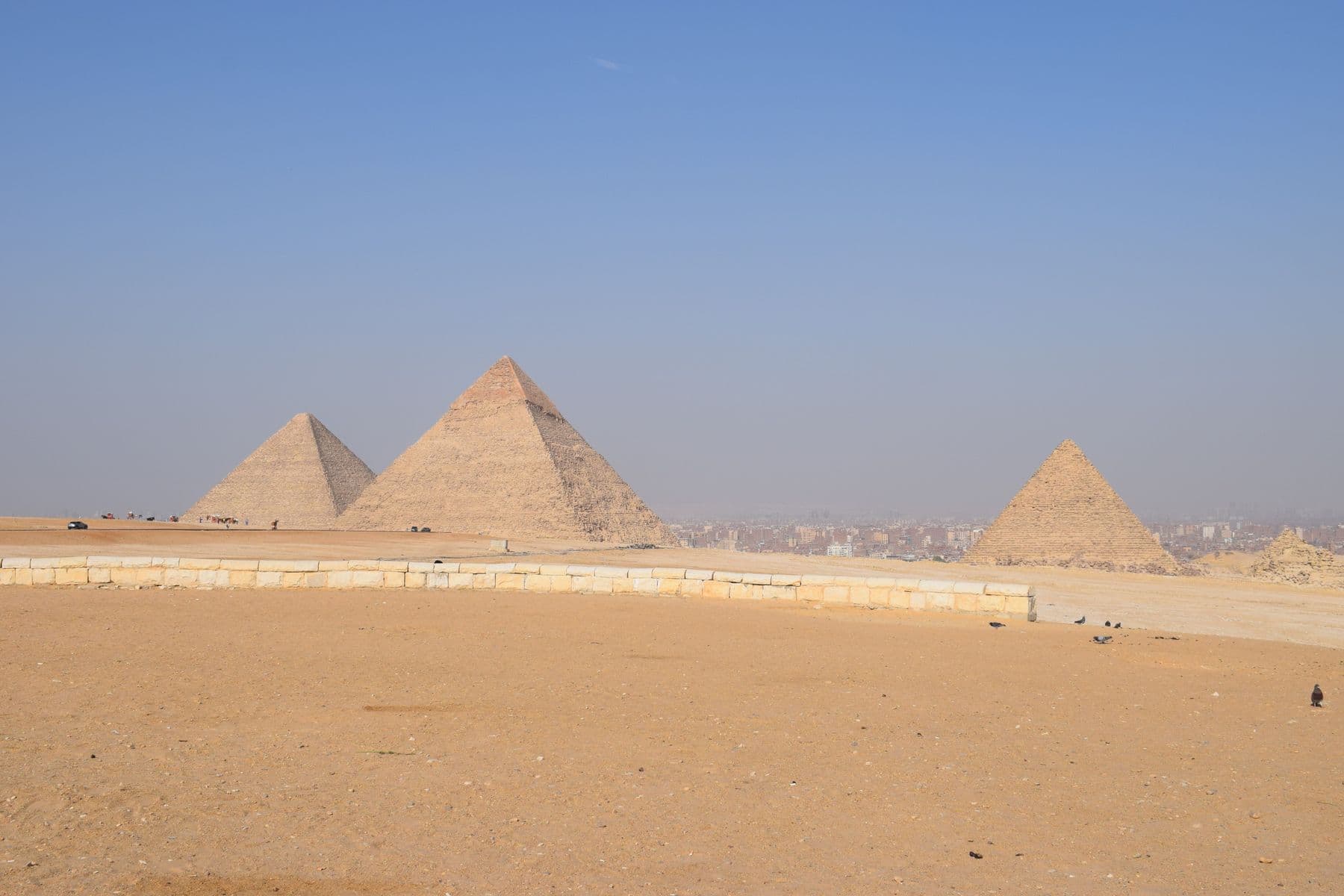
A knowledgeable guide is invaluable, particularly around the history and context of the monuments.
Luxor and the Nile
Luxor is one of the world's great archaeological destinations. The temples of Karnak and Luxor stand on the east bank, while the Valley of the Kings, Valley of the Queens and mortuary temples lie across the river.
A Nile cruise provides a slower way to connect Luxor, Edfu, Kom Ombo and Aswan. Smaller boats and dahabiyas can offer a more intimate experience, while larger vessels provide broader facilities.
Aswan and Abu Simbel
Aswan brings granite islands, Nubian culture and a gentler river atmosphere. Abu Simbel is usually reached by flight or organised transfer and deserves careful planning because of its distance.
The Red Sea
Hurghada, El Gouna, Sharm El-Sheikh and other Red Sea resorts offer diving, snorkelling and a beach extension after a cultural itinerary.
Experiences to include
- Visit the Pyramids at Giza.
- Explore the temples of Luxor and Karnak.
- Take a Nile cruise.
- Watch the river from a traditional boat.
- Visit the Valley of the Kings.
- Explore Nubian culture around Aswan.
- Dive or snorkel in the Red Sea.
- Enjoy an evening meal in Cairo's historic districts.
Best for
History, archaeology, river journeys, family holidays, diving and travellers fascinated by ancient civilisations.
Uganda and Rwanda
Forest encounters.
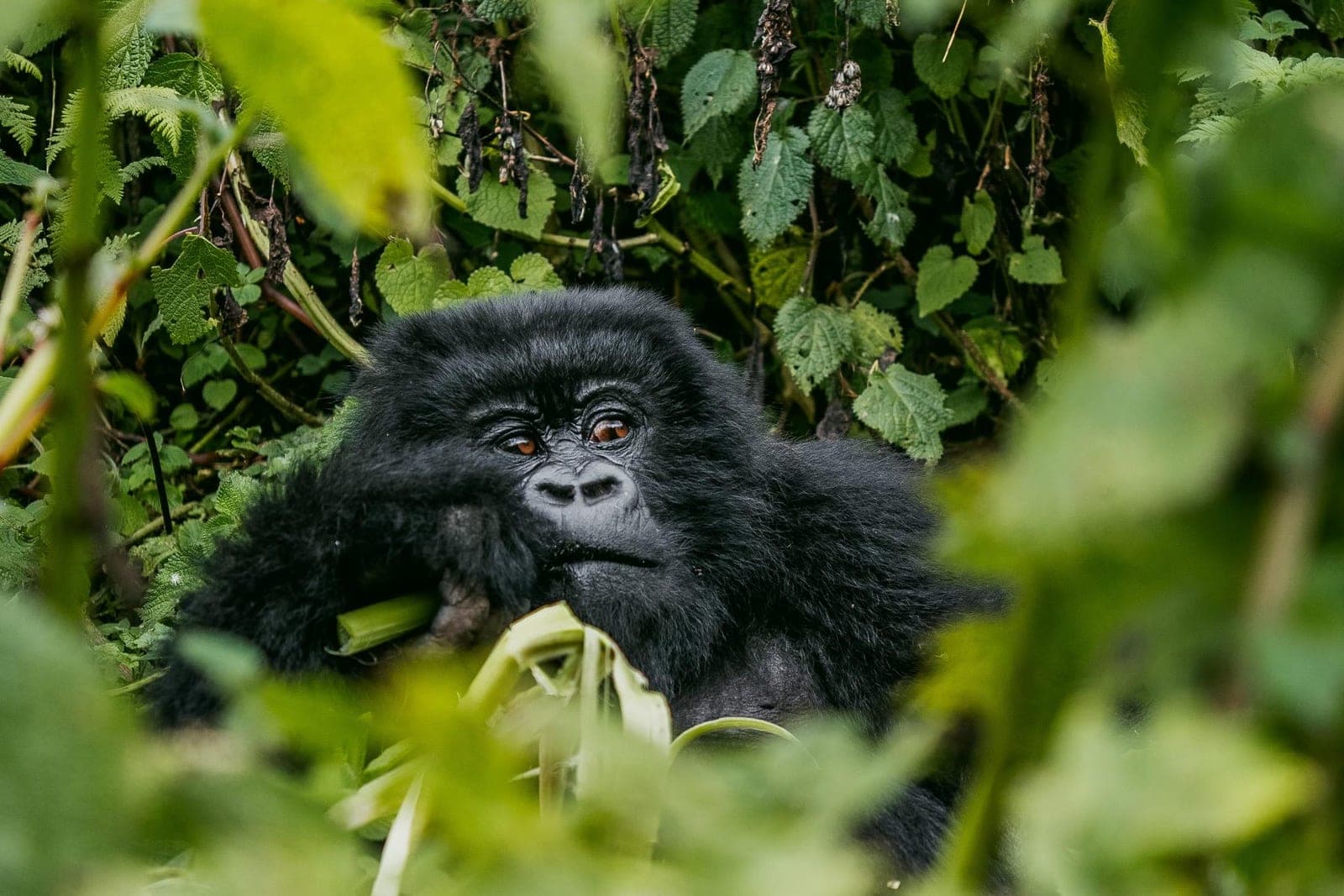
Mountain gorilla trekking is one of Africa's most carefully regulated wildlife experiences. It requires physical effort, patience and respect for strict rules designed to protect both animals and visitors.
Rwanda
Rwanda's Volcanoes National Park is one of the best-known destinations for gorilla trekking. Kigali offers a clean, compact gateway with museums, galleries and restaurants, while Akagera National Park adds savannah wildlife.
Uganda
Uganda offers gorilla trekking in Bwindi Impenetrable National Park, as well as chimpanzee experiences, Queen Elizabeth National Park and Murchison Falls.
Experiences to include
- Track mountain gorillas with a permit and qualified guide.
- Visit a chimpanzee conservation area.
- Explore forest trails.
- Combine gorilla trekking with savannah wildlife.
- Learn about local conservation and community projects.
Gorilla permits, fitness requirements and health rules are important parts of the planning process. Book well ahead and follow current operator and government guidance.
Best for
Wildlife enthusiasts, active travellers, photographers and visitors seeking a more intimate forest experience.
Morocco
Medinas, mountains and desert light.
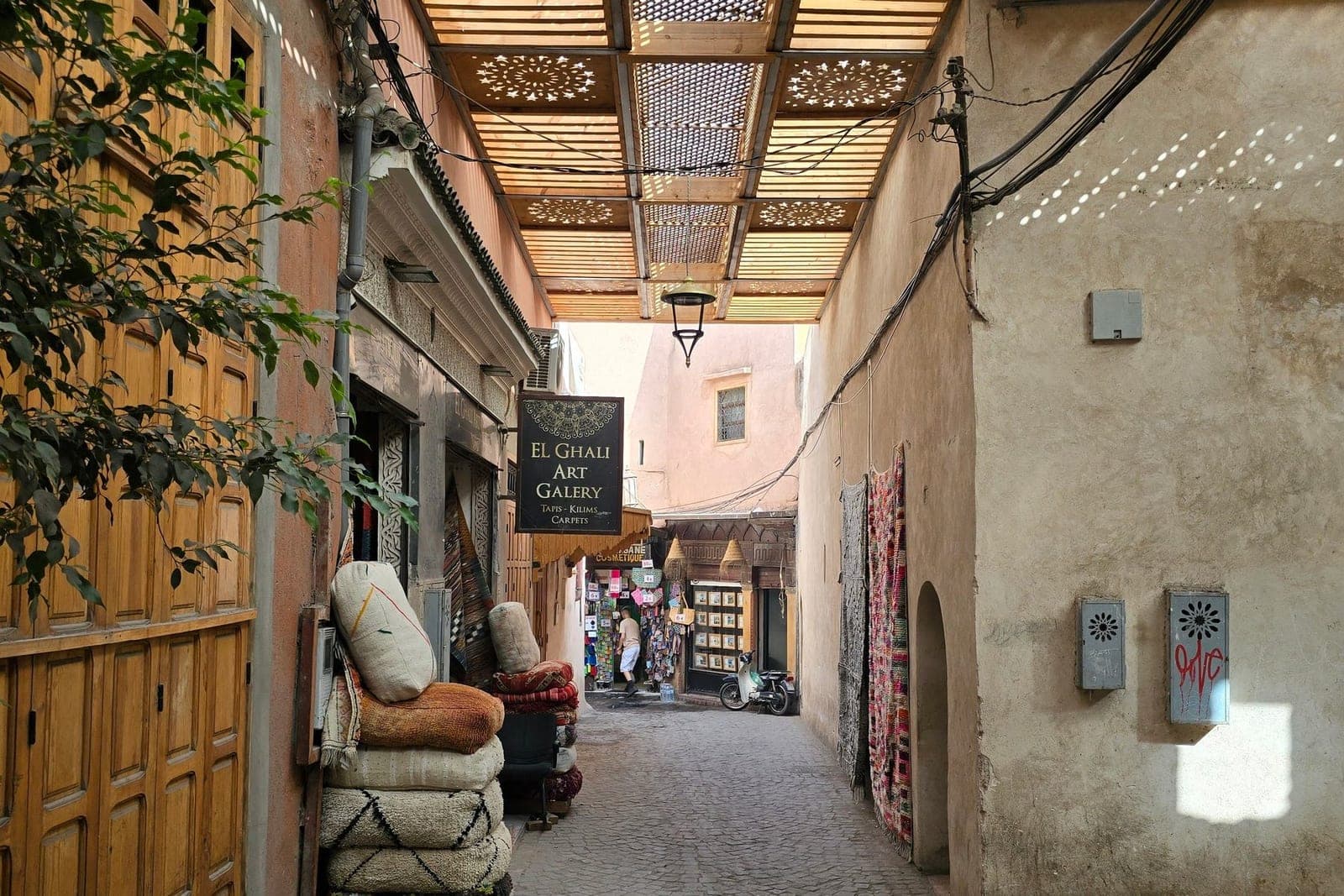
Morocco sits at the meeting point of Africa, Europe and the Arab world. Its cities are layered with Islamic architecture, craft traditions, food markets and old trading routes, while the landscape stretches from the Atlas Mountains to the Sahara and the Atlantic coast.
Marrakech and Fes
Marrakech is known for its medina, gardens, palaces and busy Jemaa el-Fnaa square. Fes has a more intricate, scholarly atmosphere, with tanneries, workshops, mosques and one of the world's great historic medinas.
The Atlas Mountains and Sahara
The Atlas Mountains offer village walks, mountain lodges and a cooler change of pace. The Sahara can be visited through desert camps, but the journey is long and should be planned as part of a broader route rather than treated as a quick excursion.
Experiences to include
- Explore a medina with a local guide.
- Take a Moroccan cooking class.
- Visit a riad.
- Walk through the Atlas Mountains.
- Stay overnight in a desert camp.
- Learn about ceramics, leatherwork or weaving.
- Relax in a traditional hammam.
- Travel to Essaouira or another Atlantic coastal town.
Best for
Culture, architecture, food, craft, road trips, couples and travellers seeking a strong sense of place.
Madagascar, Mozambique and the islands
Beyond the classic safari route.
Africa's island and coastal destinations provide a different pace and a reminder that the continent is not defined by safari alone.
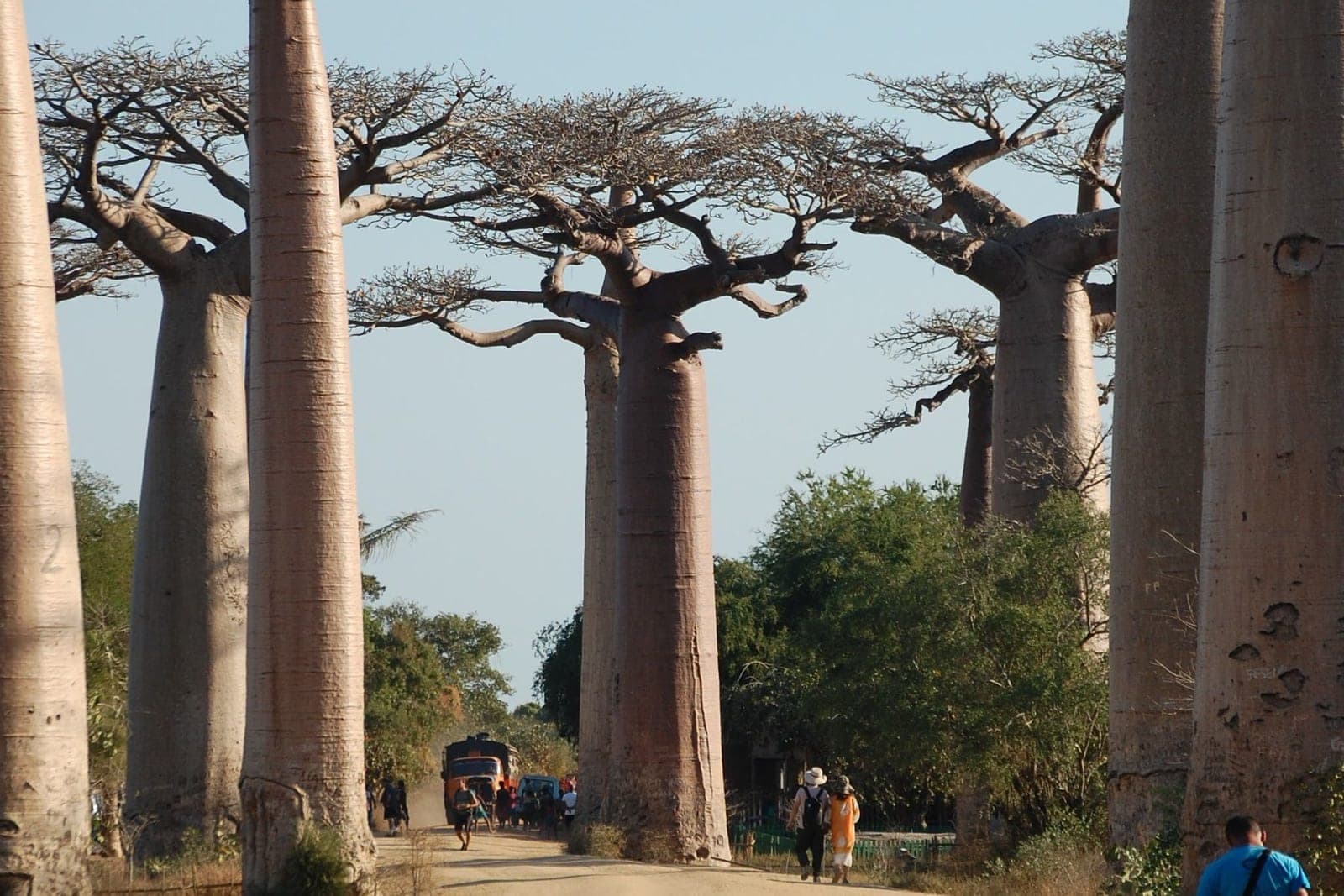
Madagascar is known for landscapes and wildlife found nowhere else, including lemurs and distinctive plant life. Travel is slower and often requires patience, but the rewards are considerable.
Mozambique combines Indian Ocean beaches, diving, seafood and archipelagos such as the Bazaruto. It works particularly well as a beach extension after a safari in southern Africa.
Mauritius and the Seychelles offer polished coastal holidays with strong food, nature and cultural experiences. Zanzibar adds Swahili history, spice farms and beaches to a Tanzania itinerary.
Choose a coastal extension based on the season, flight connections and the kind of beach experience you want. Some islands are resort-focused; others are more remote and require additional transfers.
Africa's food and drink
African food is as varied as the continent itself. A safari lodge may serve fresh bread and strong coffee before dawn, while a Cape Town restaurant explores South African produce, and a Moroccan market fills the air with cumin, mint and grilled meat.
Look for:
- South African braai and Cape Malay dishes.
- Fresh seafood along the Indian Ocean coast.
- Ethiopian injera and spiced stews.
- Moroccan tagines, couscous and mint tea.
- Egyptian koshari and Nile fish.
- Kenyan and Tanzanian Swahili dishes.
- Zimbabwean and Zambian regional cooking.
- Local wines in South Africa and Morocco.
- Coffee traditions in Ethiopia, Kenya and Rwanda.
- Street food in Cairo, Marrakech, Cape Town and other major cities.
Food experiences might include a market tour, a cooking class, a vineyard visit, a village meal or dinner around a campfire.
When is the best time to visit Africa?
Africa does not have one travel season. The best time depends on the country, the landscape and the experience you want.
Southern Africa
In South Africa, Botswana, Namibia, Zimbabwe and Zambia, the drier months from May to October are often strong for wildlife viewing. Vegetation is thinner, animals gather around remaining water and roads may be easier to navigate.
Cape Town and the Winelands are generally most popular from November to March, while whale watching along parts of South Africa's coast is seasonal.
East Africa
Kenya and Tanzania can offer excellent safari conditions from January to March and from June to October, although wildlife patterns vary. The wildebeest migration moves through the Serengeti and Maasai Mara according to rainfall and grazing.
The short rains can bring fewer visitors, greener landscapes and good wildlife activity, but weather is less predictable.
Victoria Falls
The falls are generally at their fullest from around February to July, although the experience changes across the year. High water brings spray and power; later months can offer clearer views of individual falls and the gorge.
Egypt and Morocco
Egypt is often most comfortable from October to April, particularly for sightseeing in Cairo, Luxor and Aswan. Morocco is also popular in spring and autumn, while mountain and desert conditions vary considerably.
Gorilla trekking
Gorilla trekking can be undertaken year-round, but trail conditions and rainfall vary. Permits are limited and should be arranged well in advance.
Planning an African journey from Australia
Start with the experience
A good itinerary may be built around:
- A first safari.
- Cape Town, the Winelands and Kruger.
- The Serengeti and Ngorongoro Crater.
- Victoria Falls and Botswana.
- Egypt and a Nile cruise.
- Gorilla trekking in Rwanda or Uganda.
- Morocco's cities, mountains and desert.
- A safari followed by an Indian Ocean beach stay.
- A self-drive journey through Namibia.
- A family trip combining South Africa, wildlife and a coastal break.
Avoid trying to cover the continent
Africa's distances are easy to underestimate. Internal flights, small aircraft, road transfers and border crossings all add time, so it is usually better to focus on one region.
A journey combining Cape Town, Kruger and Victoria Falls can work well. So can Tanzania and Zanzibar, Kenya and the coast, or Botswana and Zimbabwe. Adding Egypt to southern Africa is possible, but it creates a long-distance itinerary that needs careful planning.
Understand safari logistics
Safari lodges may be reached by light aircraft, four-wheel-drive transfer or a combination of road and air. Baggage allowances on small aircraft are often strict, and soft-sided bags may be required.
Days can begin early and involve time outdoors in changing temperatures. Comfortable neutral-coloured clothing, sun protection, binoculars and a warm layer are useful.
Travel responsibly
Choose operators that:
- Employ and train local guides.
- Support conservation and nearby communities.
- Limit vehicle numbers around wildlife.
- Follow walking and animal-viewing rules.
- Use water and energy thoughtfully.
- Explain how tourism benefits local people.
- Avoid exploitative wildlife encounters.
- Treat cultural visits as exchanges rather than performances.
Is Africa safe to visit from Australia?
Africa is a diverse continent, and safety, health and entry requirements vary substantially between countries and regions.
Before travelling:
- Check the latest Australian Government advice for every destination and transit point.
- Arrange a travel-health consultation well before departure.
- Ask about recommended vaccinations, malaria prevention and other region-specific health risks.
- Follow advice about food, water, insect bites and contact with animals.
- Use reputable guides and approved transport providers.
- Confirm border, visa and permit requirements.
- Check travel insurance for safari activities, medical evacuation and adventure experiences.
- Check Smartraveller again before you fly, as country advice can change.
Suggested Africa itineraries
South Africa essentials
Suggested duration: 12 to 16 days.
Cape Town – Winelands – private reserve or Kruger – optional coastal extension.
Combine city, food, wine, scenery and safari without trying to cover too much ground.
Cape Town, safari and Victoria Falls
Suggested duration: 14 to 18 days.
Cape Town – Winelands – Kruger or a private reserve – Victoria Falls.
A strong first journey for travellers who want South Africa's variety followed by one of Africa's great natural spectacles.
Tanzania and Zanzibar
Suggested duration: 12 to 16 days.
Arusha – Serengeti – Ngorongoro – Zanzibar.
Combine classic wildlife with beaches, Stone Town and Swahili culture.
Kenya safari and the coast
Suggested duration: 12 to 16 days.
Nairobi – Maasai Mara – Laikipia or Amboseli – Diani, Watamu or Lamu.
A route that balances open savannah, conservation and the Indian Ocean.
Botswana and Victoria Falls
Suggested duration: 10 to 14 days.
Victoria Falls – Chobe – Okavango Delta.
Combine river scenery, elephants, water-based safari experiences and the falls.
Egypt by land and river
Suggested duration: 10 to 14 days.
Cairo – Luxor – Nile cruise – Aswan – optional Red Sea.
A culturally rich itinerary focused on ancient history, temples, archaeology and time beside the water.
Namibia self-drive
Suggested duration: 14 to 18 days.
Windhoek – Sossusvlei – Swakopmund – Skeleton Coast or Damaraland – Etosha.
A route for travellers who enjoy wide landscapes, long drives and a degree of independence.
Gorilla trekking and safari
Suggested duration: 12 to 16 days.
Kigali – Volcanoes National Park or Bwindi – Akagera, Queen Elizabeth or another wildlife reserve.
Combine forest trekking with savannah wildlife and conservation experiences.
Morocco's cities and desert
Suggested duration: 10 to 14 days.
Marrakech – Atlas Mountains – Sahara – Fes – Essaouira or Casablanca.
A journey through medinas, mountains, craft traditions, food and desert landscapes.
Travel to Africa with Pauls Travel
Africa is not a destination to rush through. Its scale asks for a little patience, but that is part of the reward.
A first journey might take you from Cape Town's coastline to a private reserve in the Eastern Cape. Another may follow the Serengeti's plains, the Nile's ancient temples or the waterways of the Okavango Delta. You could add Victoria Falls, a gorilla trek or a few days beside the Indian Ocean.
Pauls Travel can help arrange:
- A first safari.
- A tailor-made South African journey.
- The Serengeti and Ngorongoro Crater.
- Kenya and the Maasai Mara.
- Botswana's Okavango Delta.
- Victoria Falls and southern African combinations.
- Egypt and Nile cruises.
- Gorilla trekking in Rwanda or Uganda.
- Namibia self-drive journeys.
- Morocco's medinas, mountains and desert.
- Safari and beach holidays.
- Family, honeymoon and multi-generational travel.
We can help select the right region, lodge, guide and transport plan, while allowing enough time for the journey to feel considered rather than compressed.
Ready to discover Africa? Contact Pauls Travel on 03 9070 7461 and start planning your tailor-made journey.