Discover Island Escapes from Australia
Bali, Fiji, the Maldives, Seychelles, Mauritius, Thailand, the Bahamas, Vanuatu, Samoa and the Cook Islands — how to pick the right island, and the right season for it.
Quick answerWhich island holiday from Australia suits me?
An island holiday from Australia is not one destination. Flight time, season, transfers and whether you want a resort, culture or diving should decide the island. Bali, Fiji, Vanuatu, Samoa and the Cook Islands are closer; Maldives, Seychelles, Mauritius, Thailand and the Bahamas need more flying.
Ten islands, ten different ways to leave
An island holiday is not one thing. It might mean a villa above a Maldivian lagoon, a Fijian village visit followed by a reef dive, a scooter ride around Rarotonga or a bowl of noodles after sunset in southern Thailand.
From Australia, the options span the Indian Ocean, Southeast Asia, the South Pacific and the Caribbean. Some destinations are close enough for a short break; others justify a longer journey and a slower itinerary. Some are built around a single resort, while others invite you to move between beaches, villages, forests and islands.
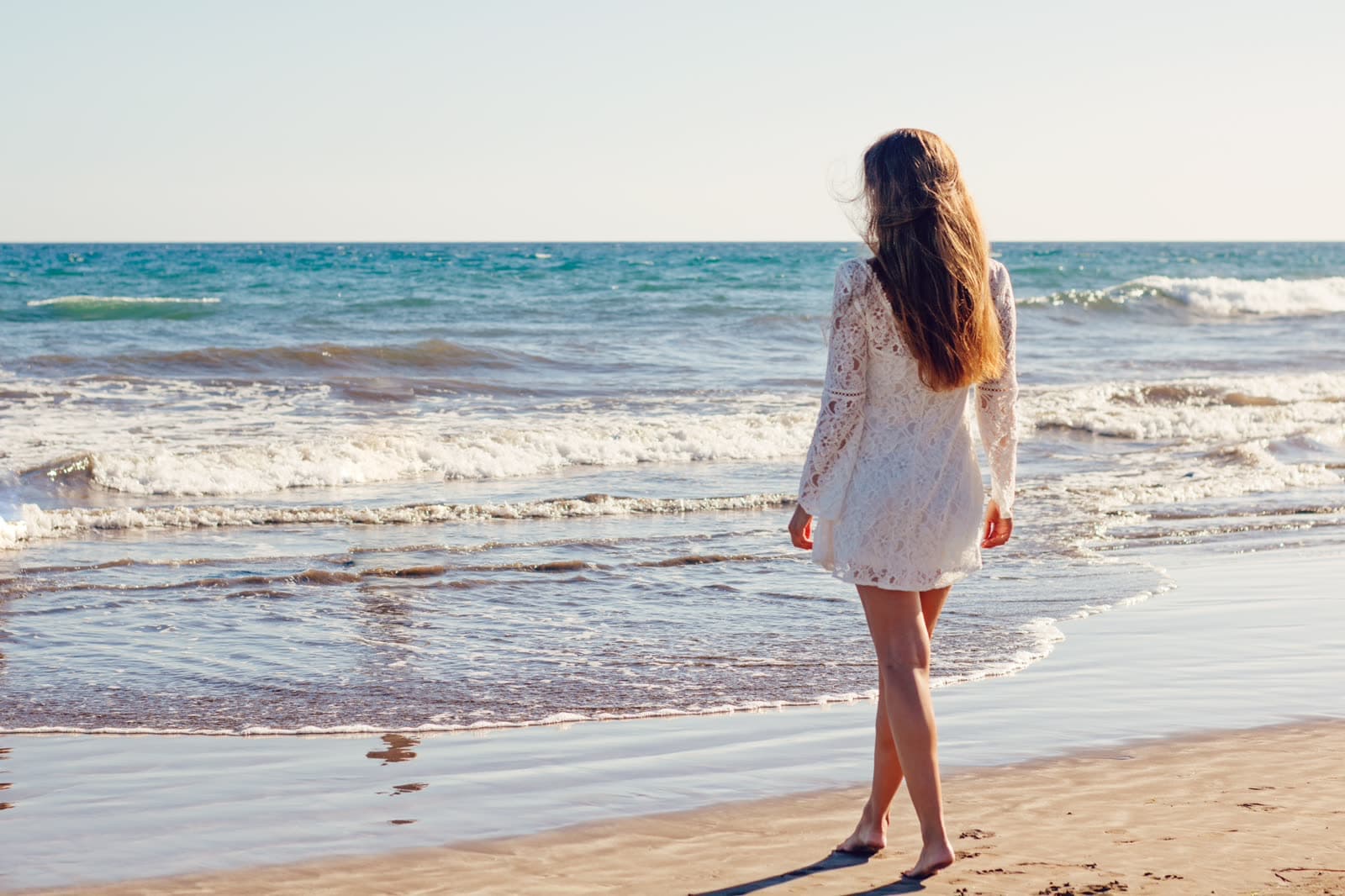
The question is not simply where the water is bluest. It is what you want to do once you arrive.
At Pauls Travel, we can help match your travel dates, budget and interests with the right island—and then take care of the flights, transfers, accommodation and experiences that bring the journey together.
Which island holiday from Australia?
Flight routes change with airline schedules and season. Direct services are available to some destinations from selected Australian cities, while others require a connection.
| Destination | Access from Australia | When to go | Transfer style | Best suited for |
|---|---|---|---|---|
| Bali | Southeast Asia; airport and road transfers around the island | May to October is generally drier | Airport, then road to Ubud, the south coast or a neighbouring island | Couples, families, surfers, food and wellness travellers |
| Fiji | South Pacific; start on Viti Levu | May to October is generally cooler and drier | Mainland resort base, then boat to the Mamanucas or Yasawas | Families, couples, snorkellers and divers |
| Maldives | Indian Ocean; most resorts occupy their own island | December to April is generally drier | Seaplane or boat from Malé | Honeymooners, couples, luxury travellers and divers |
| Seychelles | Indian Ocean; treat as an island-hop, not one resort | April to May and October to November are often favourable | Ferry or boat between Mahé, Praslin and La Digue | Couples, honeymooners and nature lovers |
| Mauritius | Indian Ocean; one main island with distinct coasts | May to November is generally cooler and drier | Airport, then a coastal resort base | Families, couples, golfers and food lovers |
| Thailand | Southeast Asia; Andaman Coast or Gulf islands | Andaman November to April; Gulf often May to September | Often via Bangkok, then a domestic flight and longtail or ferry | Families, couples, food lovers and divers |
| The Bahamas | Caribbean; a chain of possible holidays | December to April is popular; consider hurricane-season risk later | Nassau or Paradise Island, then boat to the Out Islands | Families, couples, boaters and divers |
| Vanuatu | South Pacific; Port Vila is the usual introduction | May to October is generally drier | Domestic hops to Espiritu Santo or Tanna | Adventurers, divers and nature lovers |
| Samoa | South Pacific; Upolu is the more accessible island | May to October is generally drier | Road travel on Upolu, with Savai'i quieter and more rural | Couples, families and travellers seeking a less commercialised stay |
| Cook Islands | South Pacific; small in scale | April to November is generally drier | Rarotonga by scooter, bicycle or bus; Aitutaki from the water | Couples, honeymooners and families |
Bali
Culture, coast and a full plate.
Bali is often introduced as a beach destination, but its appeal begins inland. In the early morning, the roads around Ubud run between rice terraces and temple compounds; by evening, the island's southern coast is alive with restaurants, beach clubs and the last light over the Indian Ocean.
It is a remarkably adaptable destination. Travellers can pair a high-design resort with a cooking class, a surf lesson with a temple visit, or a wellness retreat with a few days on a quieter island.
The places to know
Ubud is Bali's cultural and wellness centre, with galleries, rice fields, craft workshops and jungle-facing spas.
Seminyak and Canggu suit travellers looking for restaurants, cafés, shopping, villas and a busier social scene.
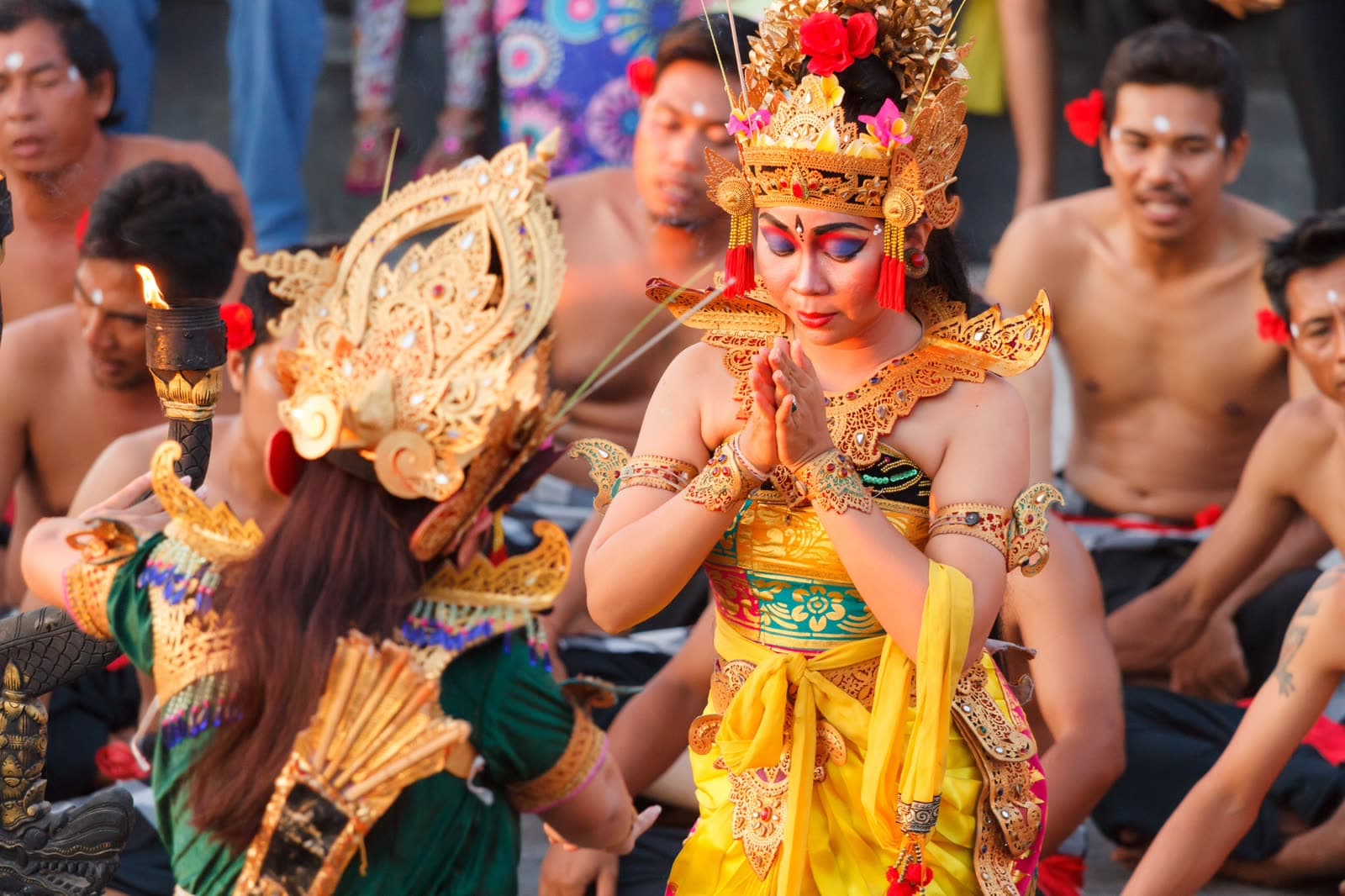
Uluwatu and the Bukit Peninsula are shaped by cliffs, surf and sunset. Uluwatu Temple sits above the sea, where evening Kecak performances bring the surrounding landscape into the show.
Nusa Dua is a practical resort base for families and couples who want calm beaches, pools and a predictable range of facilities.
Nusa Penida is more rugged, with steep viewpoints and boat trips for snorkelling. Conditions can be rough, and its best-known lookouts are not suitable for treating casually as beach stops.
Make time for
- A temple visit with a local cultural guide.
- A Balinese cooking class and market tour.
- A sunrise walk or hike around the island's volcanic interior.
- A spa treatment or yoga retreat in Ubud.
- Snorkelling around Nusa Penida or the Gili Islands.
- Sunset at Uluwatu.
- A stay in a private pool villa.
Best for: Couples, families, surfers, food lovers, wellness travellers and visitors who want a beach holiday with culture around it.
When to go: The drier months, generally May to October, are popular for outdoor activities. The wet season can still be rewarding: the rice fields are greener, spa and cultural itineraries work well, and prices may be more attractive. Rain can be heavy but does not necessarily last all day.
Fiji
Bula spirit and reef-fringed days.
Fiji's strongest attraction is not a particular beach. It is the warmth of the welcome. The word "bula" is used as a greeting, but the feeling behind it continues through village visits, family-run businesses and the easy rhythm of a resort stay.
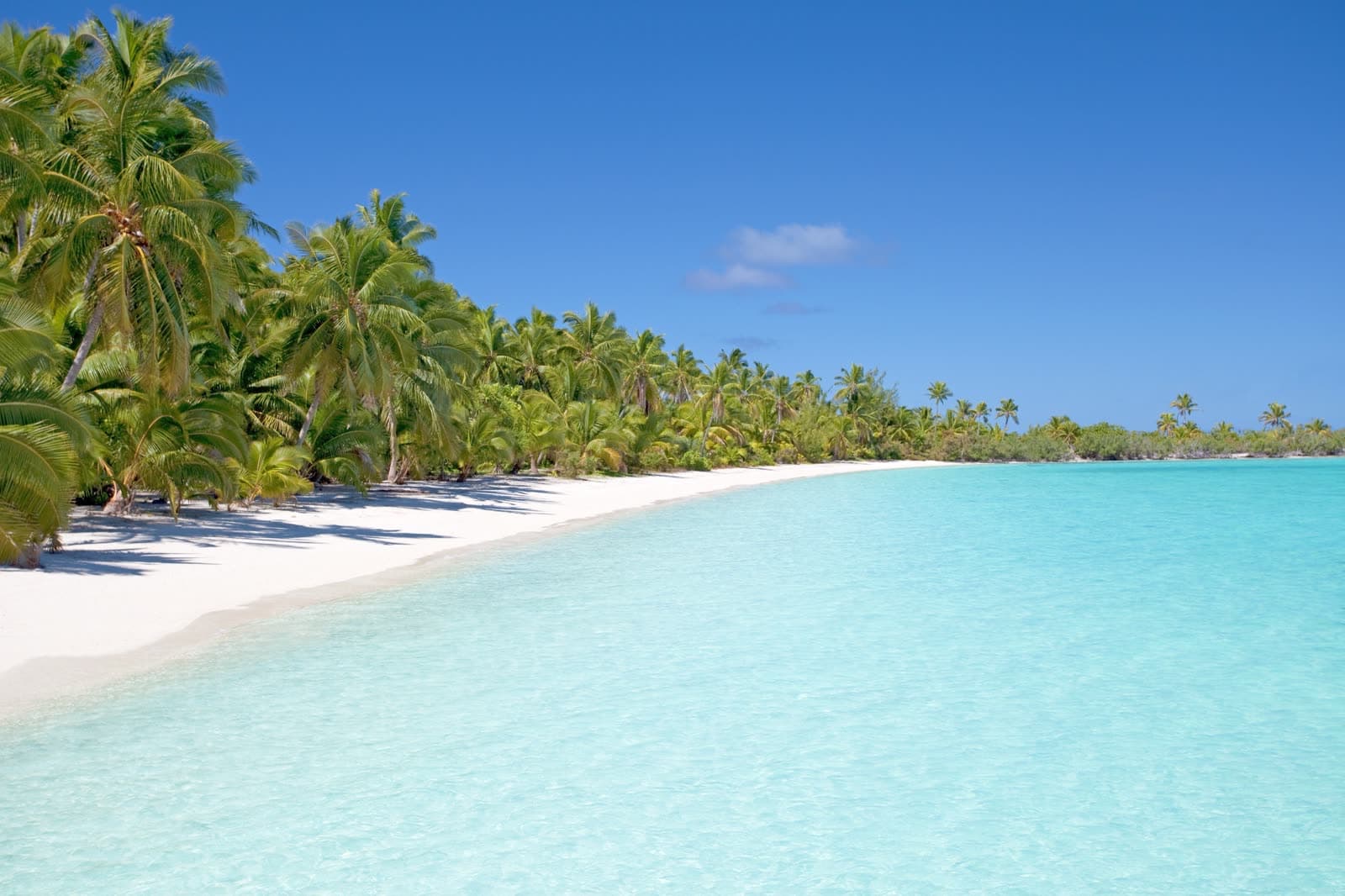
Viti Levu is the practical starting point, while the Mamanuca and Yasawa Islands offer a more concentrated dose of lagoons, beaches and boat travel.
The places to know
Nadi and Denarau are convenient for an arrival night, a short break or a family resort holiday. The marina is the departure point for many island excursions.
The Coral Coast combines beachfront accommodation with rainforest, cultural experiences and road-trip possibilities along Viti Levu's southern shore.
The Mamanucas are close to Nadi and work well for short stays, day cruises, snorkelling and resort-based holidays.
The Yasawas feel more remote. Their volcanic hills, small beaches and clear water suit travellers who want to spend less time in a large resort and more time on the water.
Taveuni is a choice for divers and hikers, with rainforest, waterfalls and coral reefs.
Make time for
- A village visit arranged through a responsible local operator.
- A traditional kava ceremony.
- Snorkelling or diving in the outer islands.
- A sunset cruise or private beach picnic.
- A rainforest walk and waterfall swim.
- A stay split between the mainland and an outer island.
- A manta-ray excursion when conditions and season allow.
Best for: Families, couples, honeymooners, snorkellers, divers and travellers who value personal service over nightlife.
When to go: May to October is generally cooler and drier, with favourable conditions for many water activities. The warmer wet season brings greener landscapes but can affect boat trips and outdoor plans.
Maldives
A holiday measured in shades of blue.
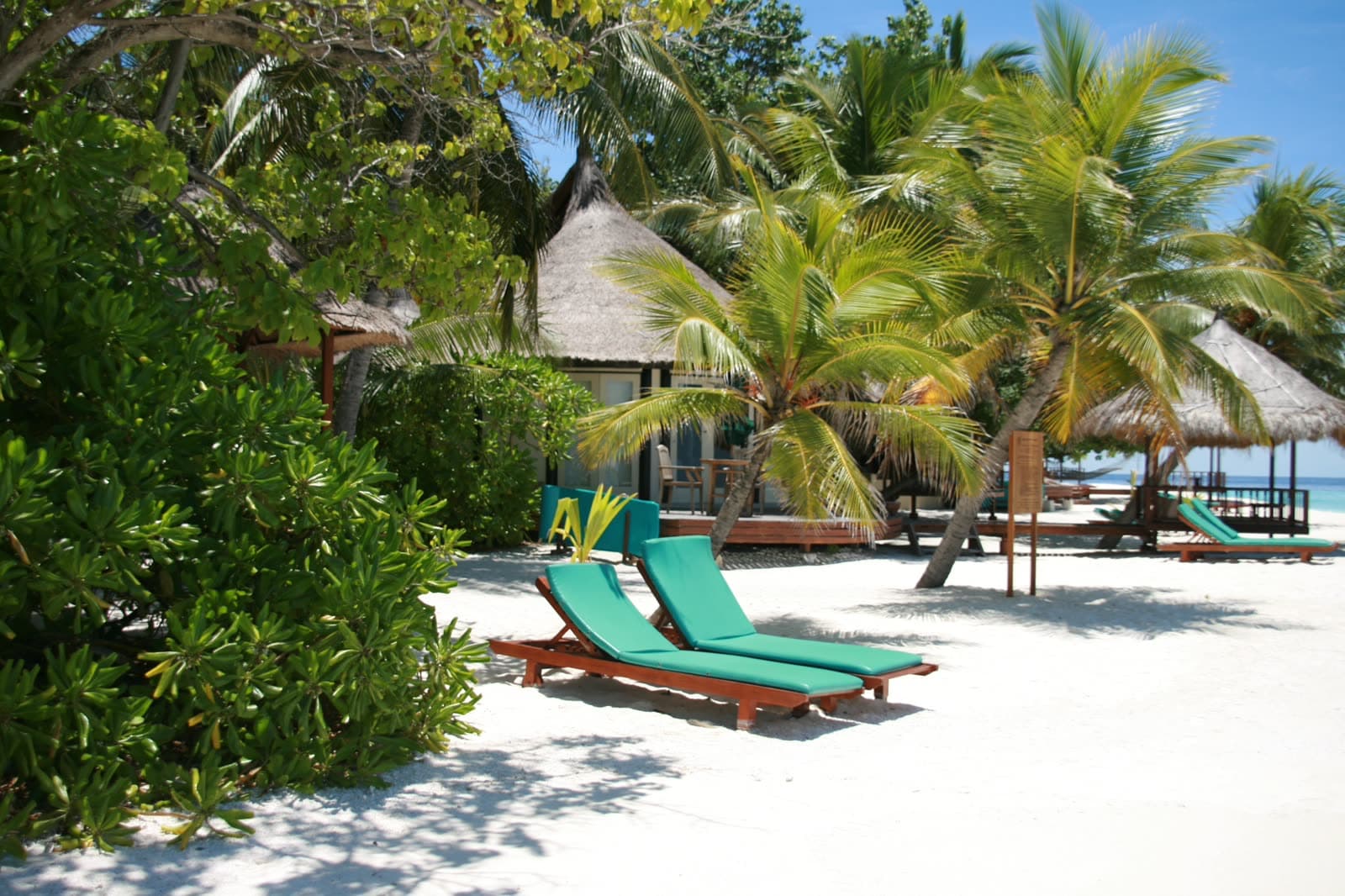
The Maldives works best when you understand its geography. Many resorts occupy their own island, so the resort is not simply where you sleep—it is the centre of the holiday.
Days tend to arrange themselves around the reef: an early snorkel, breakfast beside the lagoon, a boat excursion, an afternoon treatment and a sunset that seems to take up the whole horizon.
Before you choose a resort
Look beyond the villa photographs. Consider:
- The length and type of transfer from Malé.
- Whether the island has a good house reef.
- Beach villa or overwater accommodation.
- Family facilities or adults-only policies.
- Dining arrangements and meal plans.
- Diving and marine excursions.
- Spa, wellness and water-sports facilities.
- Environmental and reef-protection programmes.
Make time for
- Snorkelling directly from the house reef.
- Diving with turtles, rays and reef fish.
- A sandbank picnic or sunset cruise.
- A private beach dinner.
- A marine-biology or reef-restoration experience.
- Time with no scheduled activity at all.
Marine encounters are wild-animal experiences, not guarantees. Reputable operators will explain conditions, maintain respectful distances and avoid feeding or handling wildlife.
Best for: Honeymooners, couples, luxury travellers and divers.
When to go: The drier period is generally December to April. The wetter months can bring lower rates and bright spells between showers, but sea conditions and rainfall are less predictable.
Seychelles
Granite, jungle and beaches with room to breathe.
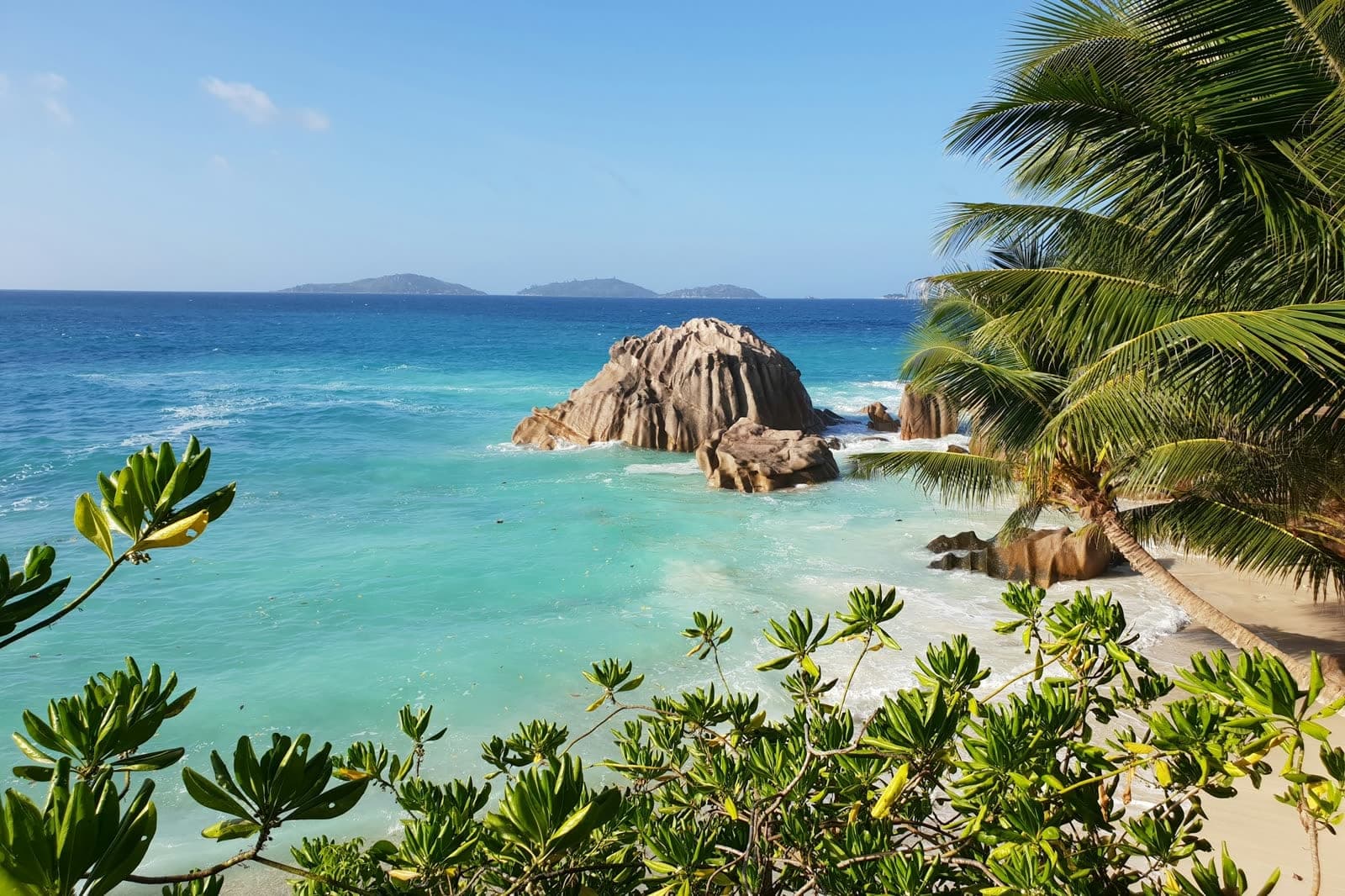
The Seychelles has a geology unlike the flat coral atolls of the Maldives. On the inner islands, granite boulders rise from beaches and forested hills descend towards the sea.
It is best approached as an island-hopping destination rather than a single resort stay.
The main islands
Mahé is the gateway and the most varied island, with mountain roads, local markets, beaches, Creole food and the capital, Victoria.
Praslin is home to Vallée de Mai, a protected palm forest, and several beaches known for their pale sand and calm water.
La Digue moves at bicycle pace. Its quiet lanes lead to plantations, coves and beaches framed by granite.
Curieuse is known for its giant tortoises and protected natural environment.
Make time for
- Cycling around La Digue.
- Walking through Vallée de Mai.
- A boat trip to Curieuse or nearby marine areas.
- Snorkelling and diving.
- A Creole meal using seafood, coconut and spice.
- A hike through Mahé's forested interior.
- A stay on more than one island.
Anse Source d'Argent is photogenic, but the Seychelles is more rewarding when treated as a whole: its forests, ferries, food and smaller beaches matter as much as its famous viewpoints.
Best for: Couples, honeymooners, nature lovers and active beach travellers.
When to go: April to May and October to November are often favourable transition periods for swimming, sailing and snorkelling. Wind direction affects which beaches are most sheltered at different times of year.
Mauritius
More than a resort beach.
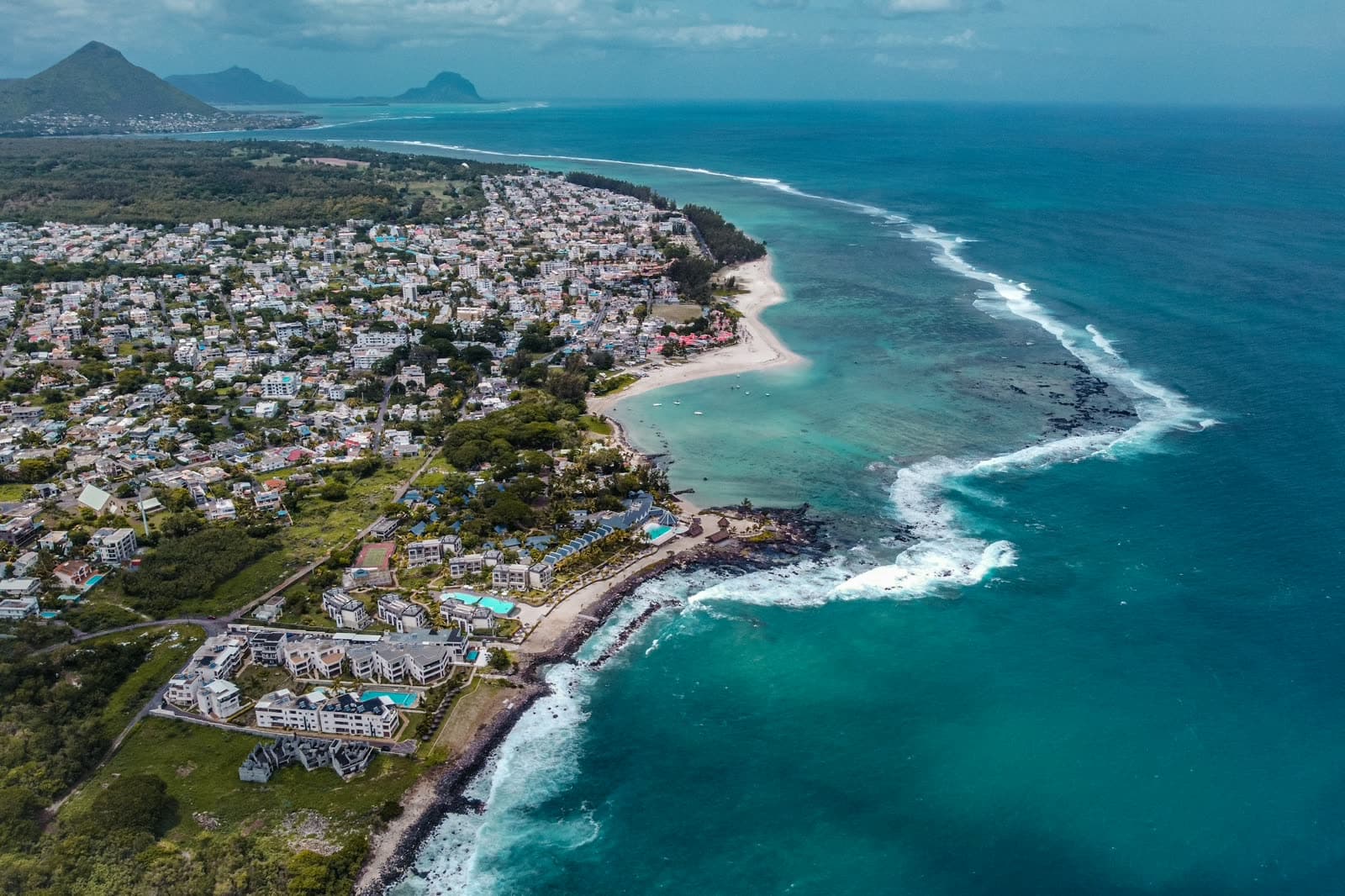
Mauritius is a good choice for travellers who want to leave the resort without leaving the beach holiday behind. Its lagoons are backed by volcanic peaks, sugar-cane fields and towns shaped by Indian, African, French and Creole influences.
A morning might involve a reef trip; the afternoon, a market or museum; dinner, a plate of seafood with chilli, citrus and local spice.
The regions
The north is the liveliest, with Grand Baie's restaurants, shopping, beaches and boating.
The east is known for long beaches, lagoons and polished resorts around Belle Mare and Île aux Cerfs.
The west is generally drier and is well placed for sunsets, Le Morne and water activities.
The south and southwest are more rugged, with forests, viewpoints, waterfalls and protected landscapes.
Make time for
- A catamaran cruise.
- A visit to Port Louis market.
- A rum or sugar-estate experience.
- A Creole cooking class.
- A hike or guided walk around Le Morne or Black River Gorges.
- A round of golf.
- A day on Île aux Cerfs.
- A meal that explores the island's Indian, Chinese, French and Creole influences.
Le Morne's "underwater waterfall" is an optical effect created by sand and silt movement—not an actual waterfall—but it is best understood from above, on a scenic flight or boat excursion.
Best for: Families, couples, honeymooners, golfers and food lovers.
When to go: May to November is generally cooler and drier. December to April is warmer and more humid, with greater exposure to tropical weather. Coastal conditions differ, so the best base depends on the season and your activities.
Thailand
Islands for every kind of traveller.
Thailand's island geography is divided into two broad holiday zones. The Andaman Coast is known for limestone cliffs, dramatic bays and islands such as Phuket, Phi Phi and Koh Lanta. The Gulf islands—Koh Samui, Koh Phangan and Koh Tao—have a different rhythm and weather pattern.
Thailand also makes it easy to combine a beach stay with a city, a cooking class, a temple visit or a few nights in the north.
Andaman Coast
Phuket has the widest range of accommodation and activities. Choose the beach carefully: some areas are lively and commercial, while others are quieter and more resort-focused.
Krabi and Railay are defined by limestone cliffs and boat-access beaches.
Koh Yao Noi and Koh Lanta offer a slower alternative to the busiest islands.
Gulf islands
Koh Samui has the broadest choice of resorts, restaurants and family facilities.
Koh Phangan combines beaches with wellness retreats and a varied accommodation scene.
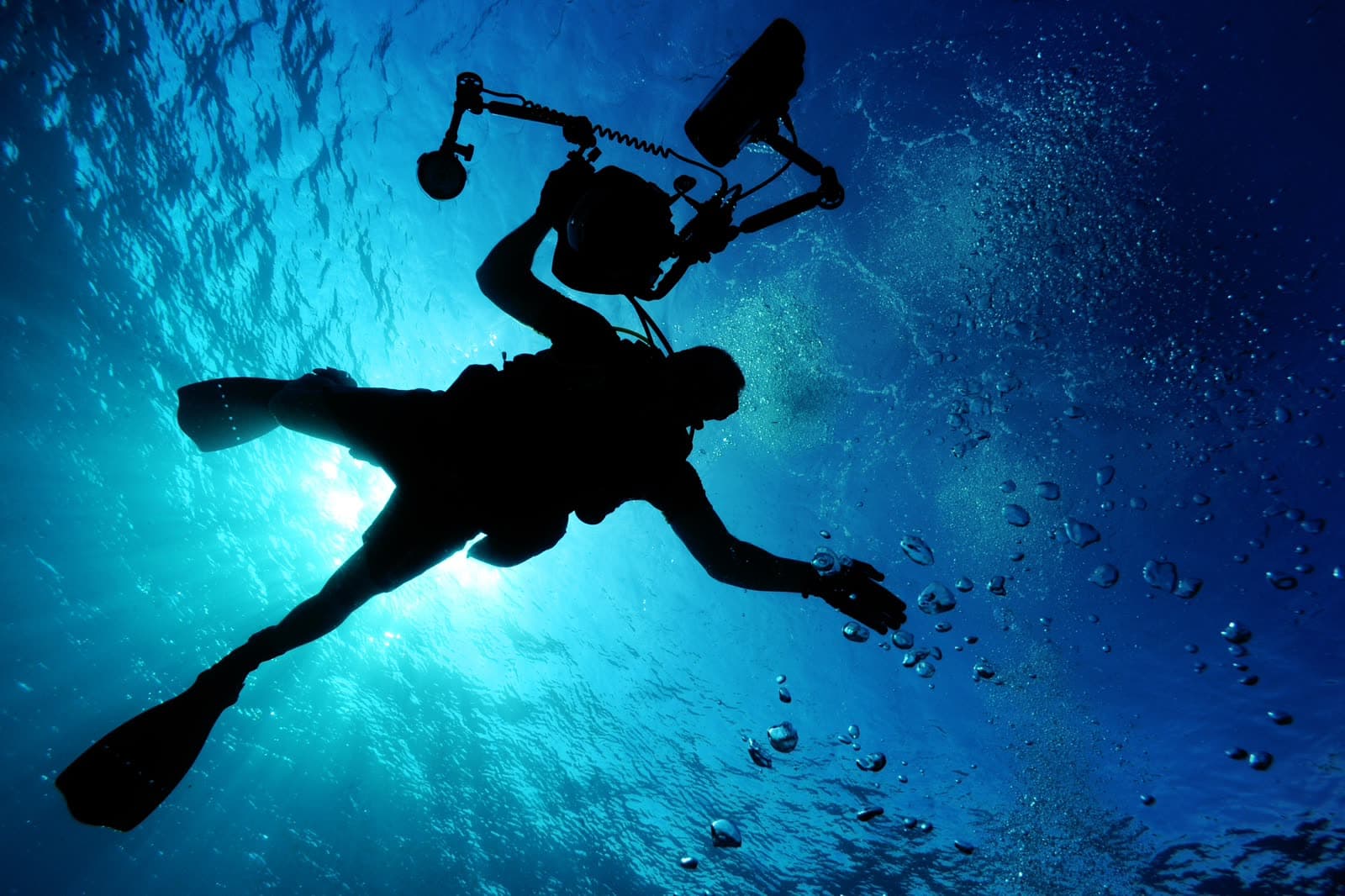
Koh Tao is popular for diving and for travellers learning to dive.
Make time for
- A longtail-boat trip through Phang Nga Bay.
- A Thai cooking class.
- A night market meal.
- A traditional massage.
- A temple visit away from the beach resorts.
- A dive course or snorkelling trip.
- A few nights in Bangkok before or after the islands.
Maya Bay is beautiful, but it is a fragile and heavily visited place. Access rules, visitor limits and temporary closures can change, so check conditions before planning it as the centrepiece of an itinerary.
Best for: Families, couples, friends, food lovers, divers, solo travellers and visitors seeking choice at different price points.
When to go: The Andaman Coast is generally most popular from November to April. Koh Samui and Koh Tao often have their strongest weather from May to September. Thailand's climate varies by coast, so the route should follow the season.
The Bahamas
Water, wind and the freedom to move.
The Bahamas is less a single beach destination than a chain of possible holidays. Nassau and Paradise Island offer major resorts, restaurants and family facilities; the Out Islands trade scale for space, with boating, fishing, diving and long stretches of beach.
The places to know
Nassau and Paradise Island suit first-time visitors, families and travellers who want a broad choice of hotels and activities.
The Exumas are made for boats, sandbars and clear shallow water.
Eleuthera and Harbour Island offer a slower pace, boutique stays and beaches that shift from pale gold to pink.
The Abacos are known for sailing and fishing.
Long Island is quieter, with caves, beaches and blue holes.
Make time for
- A boat charter through the Exuma Cays.
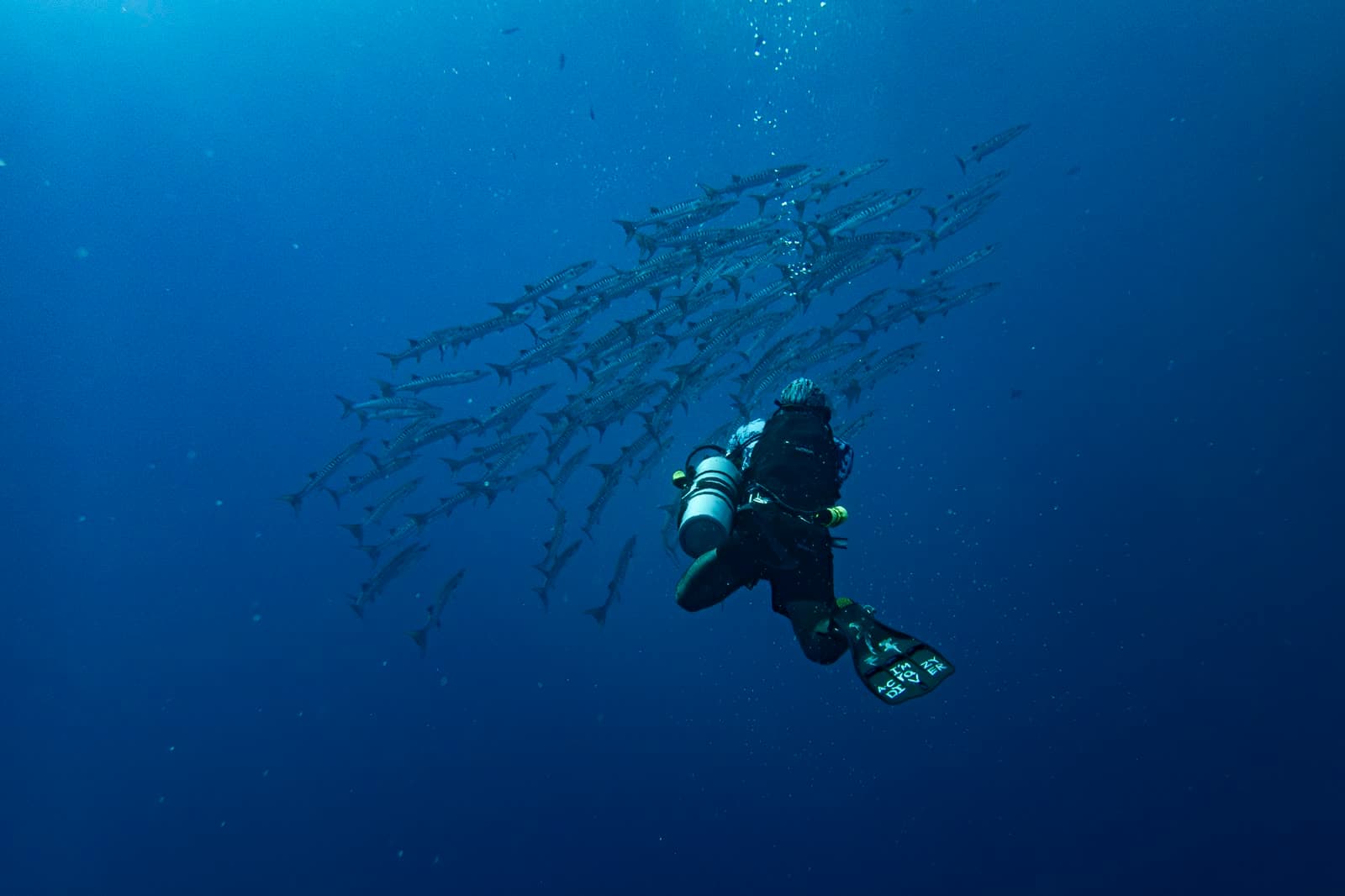
- Snorkelling and reef diving.
- A visit to the Exuma Cays Land and Sea Park.
- Fishing or bonefishing with a local guide.
- Nassau's historic streets and food.
- Harbour Island's beaches.
- A private-island stay.
The swimming pigs of Big Major Cay are a popular excursion, but visitors should follow local wildlife guidance and avoid feeding or crowding the animals.
Best for: Families, couples, boaters, divers, anglers and luxury travellers.
When to go: December to April is popular for warm, relatively dry weather. The warmer months can be quieter, but hurricane-season risk should be considered when planning travel, insurance and flexible arrangements.
Vanuatu
Volcanoes, blue holes and a strong sense of place.
Vanuatu is for travellers who want the Pacific to feel a little untamed. Its rewards are not limited to the beach: there are active volcanoes, freshwater swimming holes, rainforest, wrecks, villages and a culture that remains central to everyday life.
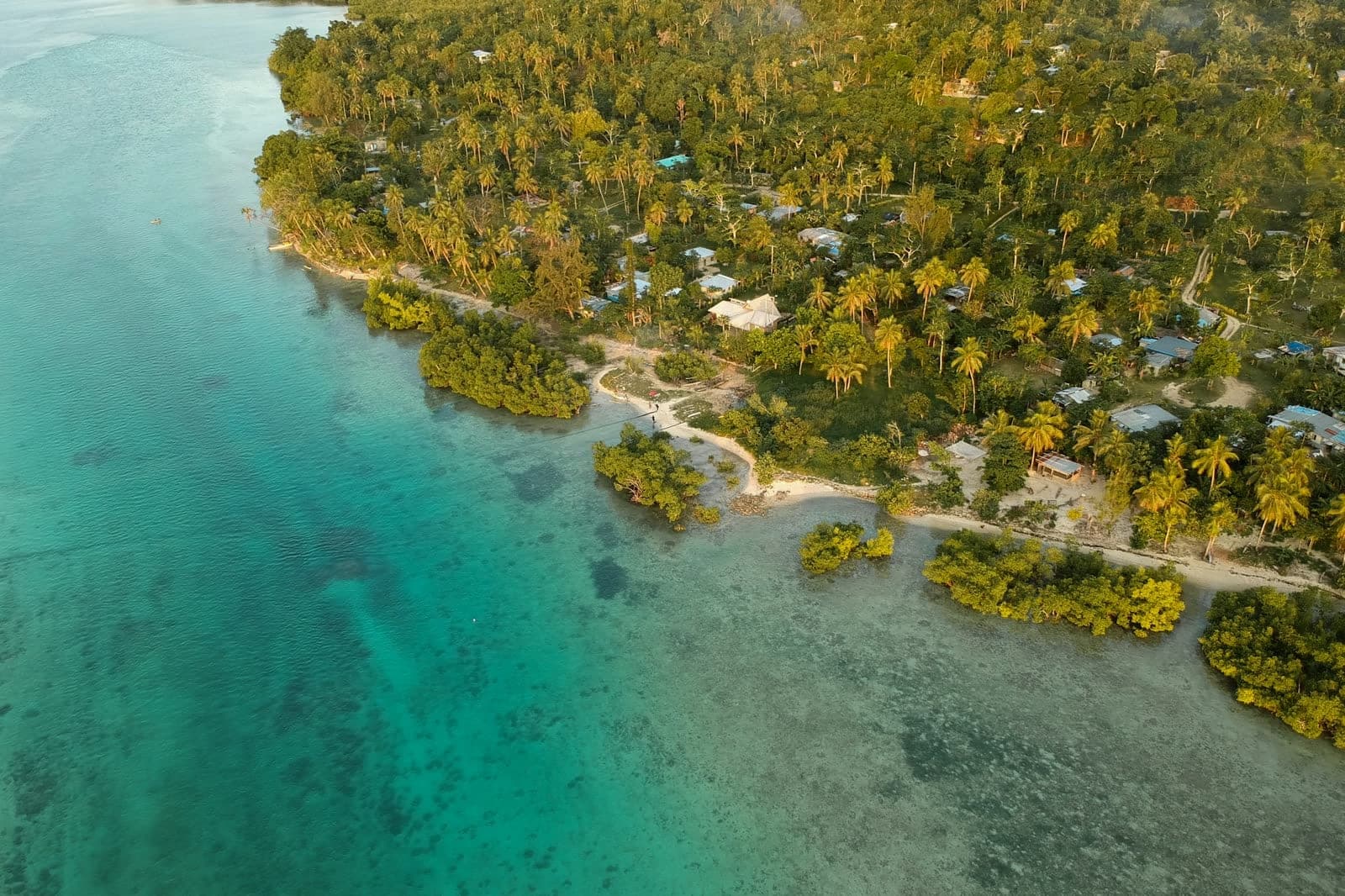
Efate and Port Vila
Port Vila is the easiest introduction. From here, explore Efate's coastal road, markets, beaches, lagoons and nearby islands.
Espiritu Santo
Santo is the island for blue holes, broad beaches and diving. The SS President Coolidge, a former luxury liner turned troopship, is one of the region's most significant wreck dives.
Tanna
Tanna's landscape is shaped by Mount Yasur, one of the world's most accessible active volcanoes. A visit is memorable but must be treated as a properly managed excursion, not an informal walk to a crater.
Make time for
- Swimming at Matevulu Blue Hole.
- Visiting Champagne Beach.
- A guided dive on the SS President Coolidge.
- A cultural experience arranged with local communities.
- A scenic drive around Efate.
- A visit to Mount Yasur when conditions permit.
- A village or market visit in Port Vila.
Best for: Adventurers, divers, nature lovers and families with older children.
When to go: May to October is generally the drier period and works well for outdoor activities. Weather, volcanic activity and transport conditions can change, so local advice should guide excursions.
Samoa
The Samoan way of life.
Samoa's appeal lies in its combination of natural beauty and community life. The principle of fa'a Samoa—the Samoan way—shapes family, village and cultural traditions.
This is a destination for travellers who are happy to slow down. There are waterfalls and swimming holes to find, roads to follow around the coast and villages where local customs remain part of the landscape.
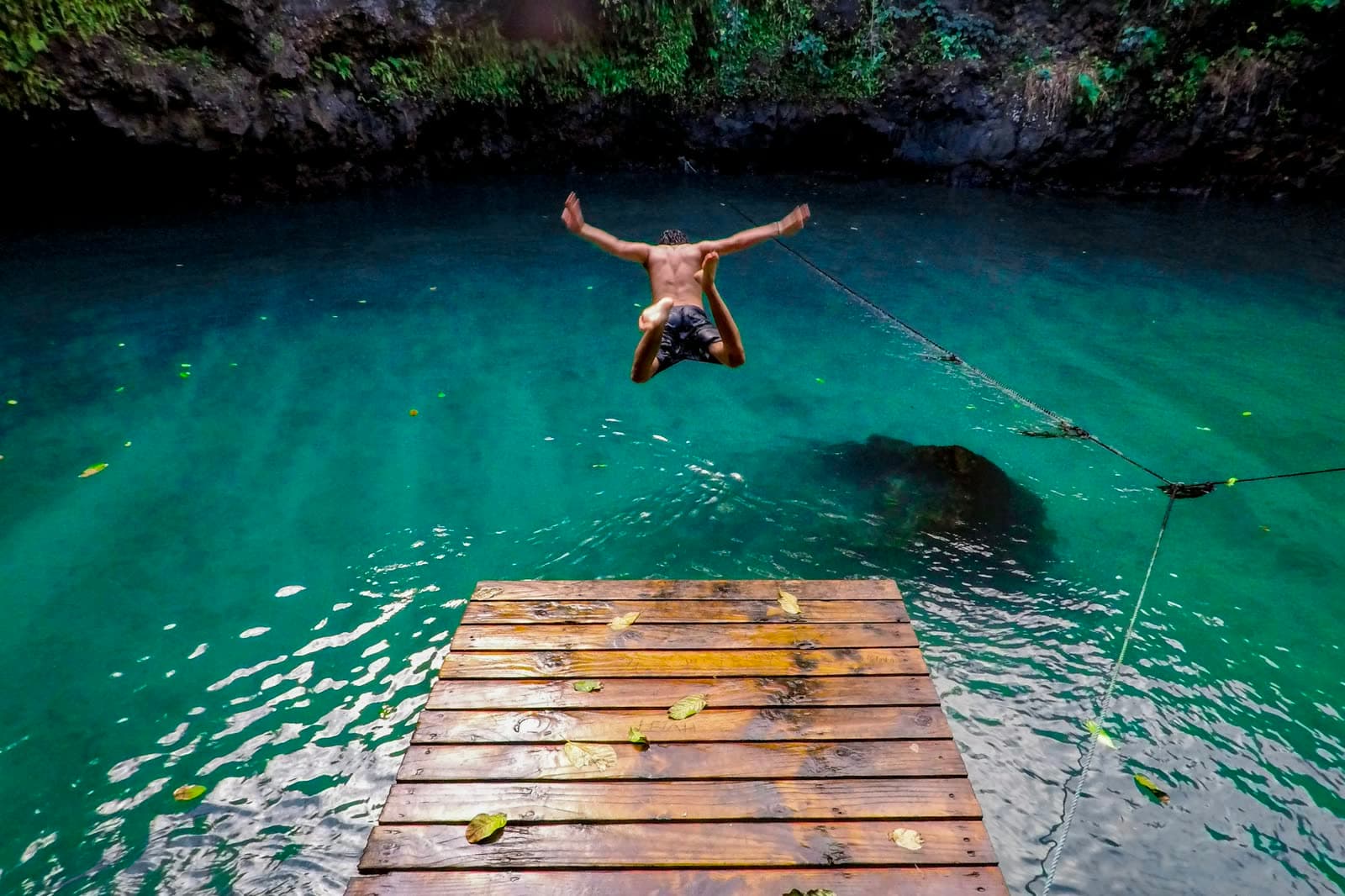
Upolu and Savai'i
Upolu is the more accessible island, with Apia, coastal drives, beaches, waterfalls and To Sua Ocean Trench.
Savai'i is quieter and more rural, with lava fields, blowholes, villages and long stretches of coast.
Make time for
- Swimming at To Sua Ocean Trench.
- Visiting Sopoaga and Togitogiga waterfalls.
- Driving to the Alofaaga Blowholes.
- Exploring lava fields and coastal villages.
- Attending a fiafia cultural performance.
- Staying in a traditional beach fale.
- Eating locally prepared seafood, fruit and taro.
- Learning about village etiquette from a local guide.
Visitors should ask before entering villages, beaches or private land and follow local guidance about visiting hours and dress.
Best for: Couples, families, nature lovers, surfers and independent travellers seeking a less commercialised Pacific destination.
When to go: May to October is generally drier and comfortable for outdoor activities. The wet season can be lush and quiet, but rain may affect road travel and excursions.
Cook Islands
Lagoon life at an easy pace.
The Cook Islands are small in scale but generous in atmosphere. Rarotonga's circular road, volcanic interior and lagoon beaches make it straightforward to explore, while Aitutaki offers a more secluded world of shallow water and uninhabited motu.
There are no sprawling city centres here. The pleasures are simpler: a lagoon cruise, a roadside fruit stall, a village performance, a forest walk or an afternoon spent watching the water change colour.
Rarotonga
Rarotonga is easy to explore by scooter, bicycle or local bus. Around the coast are beaches, cafés, markets and lagoon activities; inland, trails climb through tropical forest towards Te Rua Manga, known as "The Needle".
Aitutaki
Aitutaki is best experienced from the water. A lagoon cruise can include swimming, snorkelling, a beach picnic and time on One Foot Island.
Make time for
- A lagoon cruise.
- Snorkelling in Muri Lagoon.
- The Cross-Island Track.
- An island-night cultural performance.
- Local markets and cafés.
- A traditional umu feast.
- Cycling or scootering around Rarotonga.
- A few quiet days on Aitutaki.
Best for: Couples, honeymooners, families and travellers who want a friendly, uncomplicated island holiday.
When to go: April to November is generally drier and favourable for lagoon activities. December to March is warmer and more humid, with a greater chance of tropical showers and storms.
How do you plan an island holiday from Australia?
Start with the season
The right island depends partly on when you can travel. Weather patterns differ between neighbouring islands and even between opposite coasts of the same country.
Check:
- Dry and wet seasons.
- Cyclone or hurricane risk.
- Sea conditions for ferries and diving.
- School-holiday demand.
- Seasonal flight schedules.
- Any local festivals or closures.
The shoulder seasons can offer a useful balance of weather and availability, but they should not be treated as a guarantee of perfect conditions.
Think about the transfer
A holiday can feel very different depending on whether the resort is a short drive from the airport or requires a seaplane, domestic flight and boat.
Before booking, check:
- Total door-to-door travel time.
- Luggage limits.
- Arrival cut-offs for boats and seaplanes.
- Accessibility and mobility requirements.
- Whether young children will manage the connections comfortably.
- Whether the transfer is shared or private.
Choose accommodation by experience
Compare more than the room category. Ask about:
- Meal plans.
- House reefs and swimming conditions.
- Children's facilities.
- Adults-only policies.
- Spa and wellness services.
- Water sports.
- Excursions.
- Local community access.
- Environmental commitments.
- Airport and boat transfers.
Travel lightly on the environment
Island ecosystems are vulnerable to waste, water shortages, reef damage and coastal development. Choose operators that take conservation seriously, and:
- Keep away from coral and wildlife.
- Follow marine-life guidelines.
- Reduce single-use plastic.
- Carry a reusable bottle.
- Respect village customs and sacred sites.
- Use local guides and businesses where possible.
- Leave beaches and natural areas clean.
Island itineraries
Bali culture and coast
10 to 14 days: Ubud – Seminyak or Canggu – Uluwatu or Nusa Dua – optional Nusa Penida or the Gili Islands.
A good introduction for travellers who want temples, food, wellness and beach time in one trip.
Fiji family holiday
7 to 12 days: Denarau – Coral Coast – Mamanuca or Yasawa Islands.
Begin with an easy mainland base, then move to an outer island for a more concentrated beach experience.
Maldives retreat
7 to 10 days: Malé arrival – one private-island resort.
Choose the resort around the reef, transfer, villa style and dining rather than selecting on photographs alone.
Seychelles island-hopping
10 to 14 days: Mahé – Praslin – La Digue.
Combine mountain walks, local food, beaches, bicycles and snorkelling.
Mauritius with time to explore
10 to 14 days: North or west coast – east coast – south or southwest.
Add food, golf, hiking, markets and cultural sites to a resort stay.
Thailand's two coasts
10 to 14 days: Bangkok – Phuket or Krabi – a quieter Andaman island, or Koh Samui – Koh Phangan – Koh Tao.
Select the coastline according to your travel dates and preferred pace.
Vanuatu's natural highlights
8 to 12 days: Port Vila and Efate – Espiritu Santo – optional Tanna.
Combine lagoons, blue holes, village experiences, wreck diving and volcanic scenery.
Samoa and the Cook Islands
12 to 16 days: Samoa – Rarotonga – Aitutaki.
Pair waterfalls, villages and Polynesian culture with calm lagoons and unhurried beach time.
Practical travel notes
- Travellers should check passport validity, entry requirements and travel insurance on Smartraveller before departure, using the advice page for each island they plan to visit.
- Confirm visa, travel-authorisation and arrival-card requirements for each destination.
- Pack lightweight clothing, reef shoes, sun protection and a light rain layer.
- Carry prescription medicines in their original packaging.
- Check baggage rules for domestic flights, ferries and seaplanes.
- Allow generous time for international and island connections.
- Carry some local currency for markets, taxis and smaller businesses.
- Follow local dress codes and customs.
- Use accredited guides for diving, volcano visits, wildlife encounters and adventure activities.
- Check current weather, cyclone or hurricane advice before departure.
Travel with Pauls Travel
The best island holiday is the one that suits the way you travel.
It might be an overwater villa and a reef excursion in the Maldives; a family resort, village visit and snorkelling day in Fiji; a cooking class and pool villa in Bali; or a lagoon cruise through Aitutaki. You might prefer a volcano in Vanuatu, a mountain walk in Mauritius or a night market in Thailand.
Pauls Travel can help you:
- Compare destinations by season and travel style.
- Select the right island and resort.
- Arrange flights, transfers and island connections.
- Plan a honeymoon, family holiday or multi-generational trip.
- Add food, culture, wellness, diving or adventure experiences.
- Combine two or more island destinations.
- Balance relaxation with exploration.
- Build a tailored holiday from Australia around your budget and dates.
Ready to find your island escape? Contact Pauls Travel on 03 9070 7461 and start planning your next tropical holiday.