Travelling through time and tradition
Kyoto's temples and tea rooms, Petra's carved facades, the Sacred Valley's living weaving traditions and the monuments of the Nile.
Quick answerWhat is a culture and history holiday?
A culture and history holiday is built around the people and past of a place, not just the sights. It can be a structured tour or time in the streets. Kyoto, Petra and the Levant, Peru and Egypt each ask something different — temples, ruins and living tradition — and the trip is shaped around how you want to listen.
Travel transforms from a simple getaway into a deeply grounding experience when we cross borders to listen rather than just look. Every ancient monument, cobblestone alleyway and enduring ritual carries the heartbeat of the human story. When we engage intentionally with the heritage of a place, we discover that history is not just something preserved in textbooks. It is a living, breathing landscape that offers profound lessons in resilience, artistry and human connection.
To travel through culture and history is to walk in the footsteps of those who built, dreamed and preserved long before us. This guide invites you to explore some of the world's most evocative cultural sanctuaries—places where the past remains vibrantly alive, offering a timeless perspective that enriches both mind and spirit.
At Pauls Travel, we design culture and history journeys around your curiosity. Some travellers want a structured programme of guided tours and museum visits. Others simply want a place where the only decision is which alleyway to explore next.
Kyoto, Japan: Zen gardens, living crafts and ancient rituals
Long before modern skyscrapers rose across Japan, Kyoto served as the imperial capital for over a millennium. Today, it remains the ultimate refuge for those seeking to immerse themselves in classical Japanese aesthetics, philosophy and architectural harmony.
The sacred silence of wooden temples and rock gardens
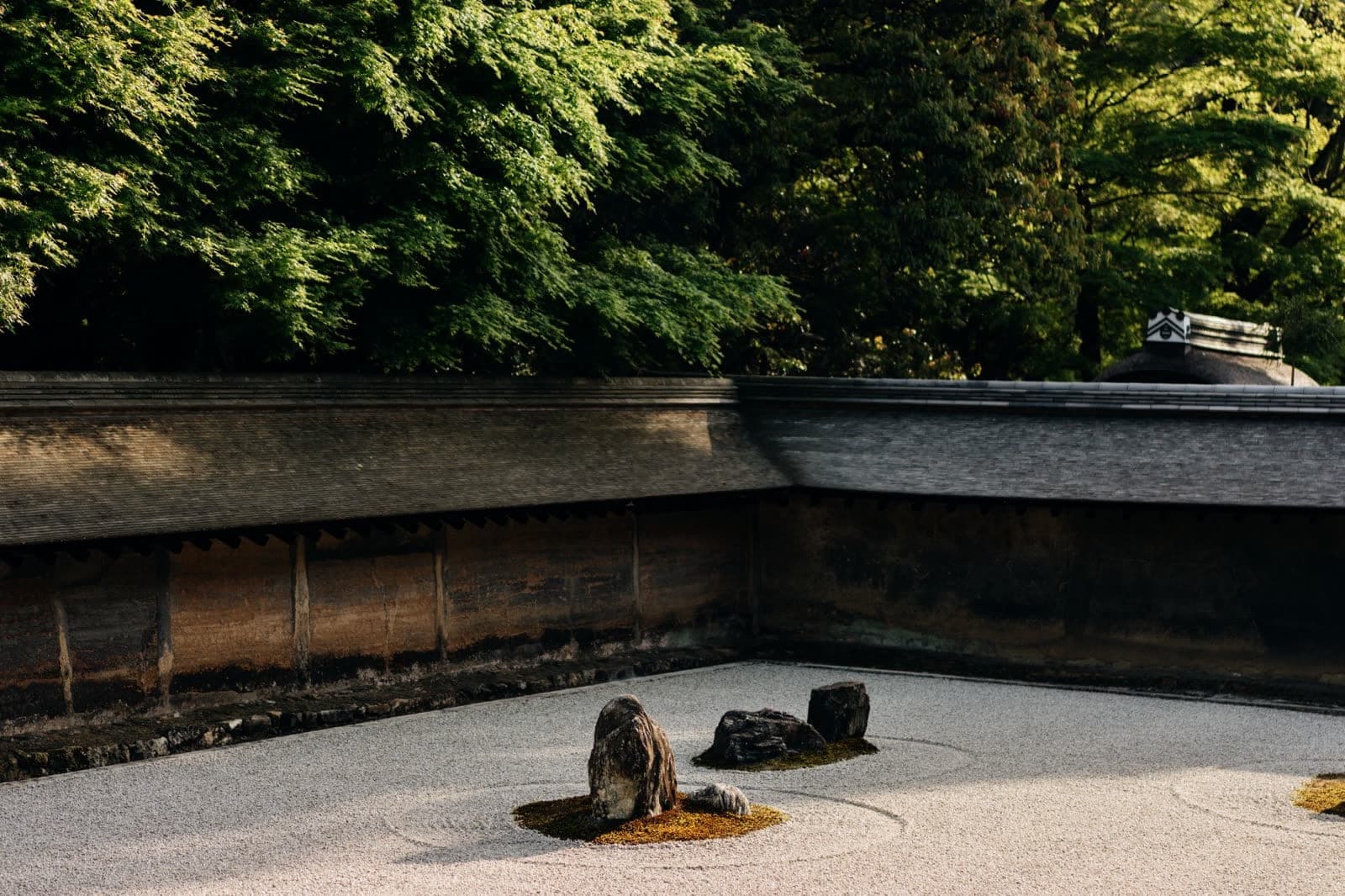
Kyoto's magic is found in its subtle, quiet corners. At Ryōan-ji, fifteen moss-encircled stones are arranged in a bed of raked white gravel so that from any vantage point, at least one stone remains hidden from the human eye—a gentle nudge toward humility and the limits of perception. Walking softly across the squeaking nightingale floors of Nijo Castle or standing beneath the soaring timber pillars of Kiyomizu-dera, you sense an unwavering devotion to craftsmanship that transcends generations.
The city's cultural rhythm comes alive through its traditional tea ceremonies, or Chado. In quiet tatami rooms tucked away in historic Gion, every precise movement of the tea master—from warming the bowl to whisking powdered matcha—serves as a meditative exercise in presence, harmony and gratitude.
Experiences to include
- A tea ceremony in a tatami room in Gion.
- The rock garden at Ryōan-ji, early enough to have it to yourself.
- The nightingale floors of Nijo Castle.
- Kiyomizu-dera and the lanes that climb to it.
- A morning with a craftsman — ceramics, textiles or bamboo.
- An evening walk along the Kamo river.
Best for: Travellers who would rather sit through a tea ceremony than tick off a temple list, and anyone who wakes early enough to have a garden to themselves.
Jordan and the Levant: desert legacies and carved empires
Standing at the crossroads of Asia, Africa and Europe, Jordan holds a tapestry of human history woven by Nabataeans, Romans, Byzantines and Bedouin tribes across thousands of years.
The carved marvels of Petra and the silence of Wadi Rum
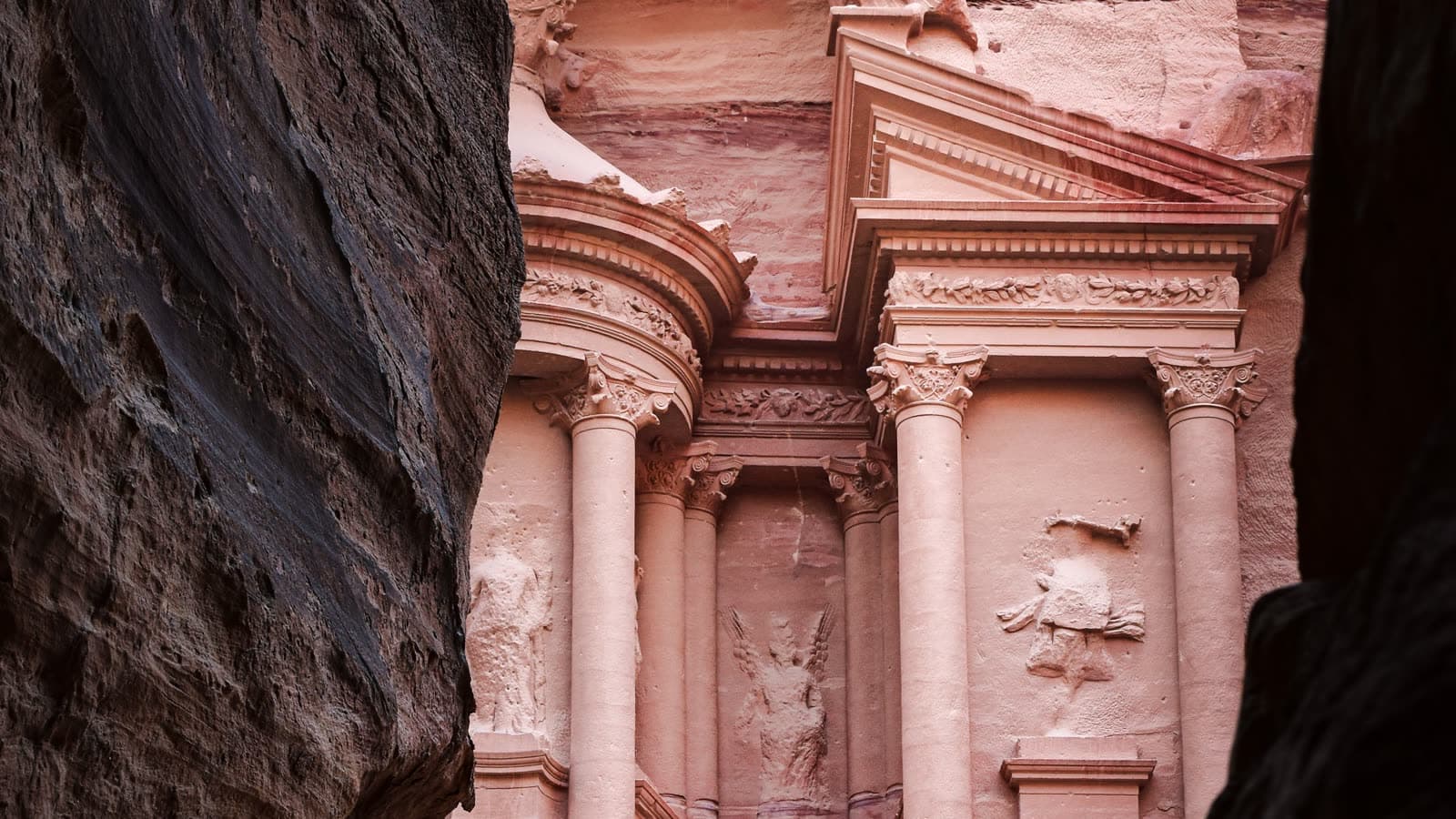
Nothing prepares you for the moment you exit the cool shadows of the Siq—a narrow, towering natural gorge—and see the rose-red facade of Al-Khazneh, the Treasury, bathed in morning light. Carved directly into sheer sandstone cliffs by the Nabataeans over two thousand years ago, Petra is more than an archaeological site. It is a monument to human ingenuity in an unforgiving desert landscape.
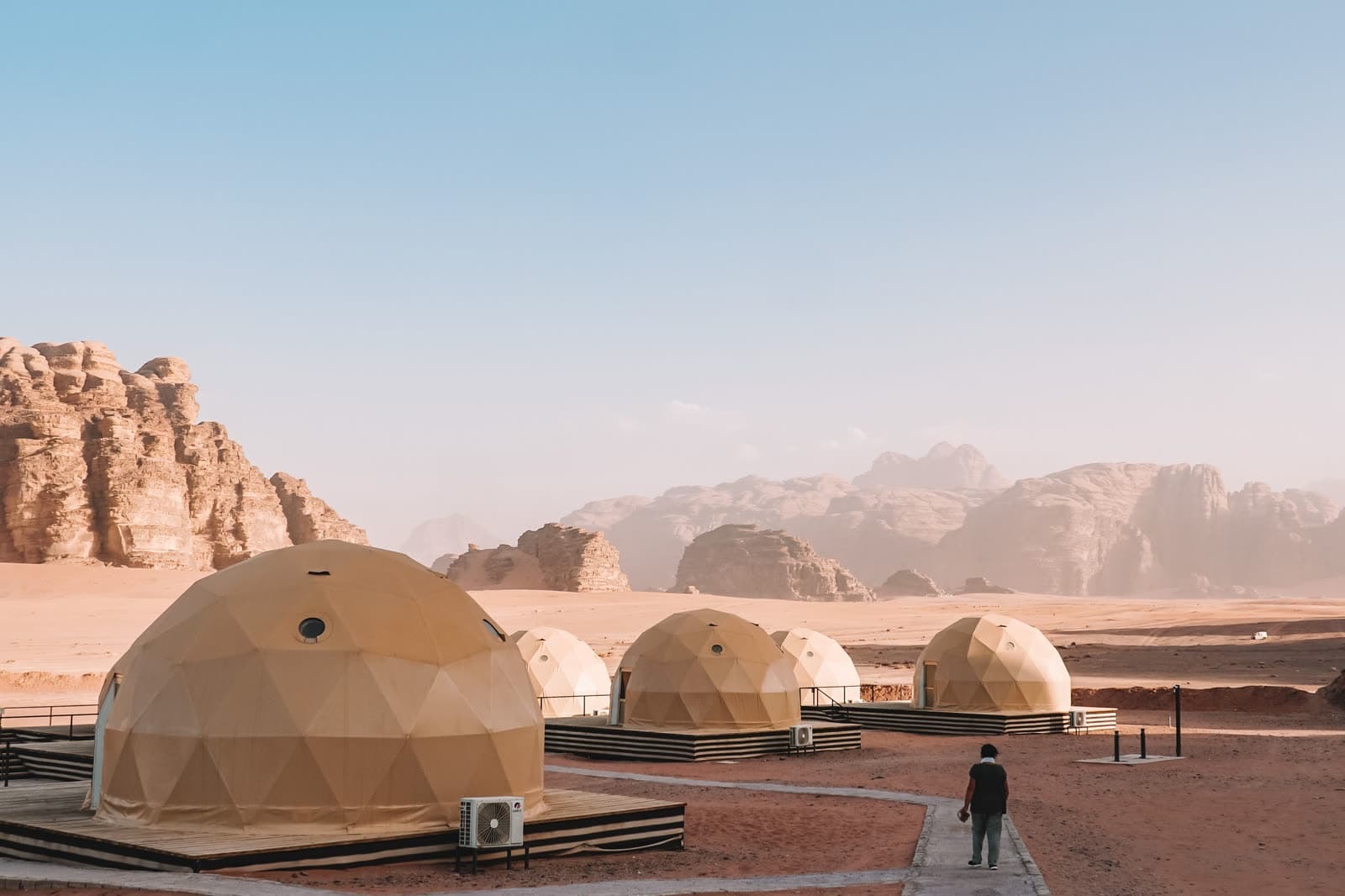
Further south, the red sands of Wadi Rum offer a different kind of historical connection. Sitting around a fire at dusk with local Bedouin hosts, listening to centuries-old oral traditions while gazing up at an unfiltered sky of stars, you realise that hospitality here is not just a service. It is a sacred cultural responsibility passed down through generations.
Experiences to include
- The walk through the Siq to the Treasury at first light.
- Petra past the Treasury, once the morning crowds move on.
- A night at a Bedouin camp in Wadi Rum.
- Stories around the fire, told by the people whose stories they are.
- The desert sky after the fire dies down.
- A guide who grew up in the valley rather than one bussed in.
Best for: Travellers who will get up before dawn for the light, and anyone who wants a night under desert sky as part of the history.
Peru and the Sacred Valley: Incan astronomy and living Andean heritage
High in the Andes mountains, the ancient empire of the Incas created a civilisation that worked in profound harmony with the rugged geography of the high peaks and cloud forests.
Stones fit for the gods and living traditions
While the misty citadel of Machu Picchu remains one of the world's great architectural wonders, the soul of Andean culture extends throughout the entire Sacred Valley. In towns like Ollantaytambo, living water channels built by Incan engineers still run down narrow cobblestone streets beneath original stone doorways.
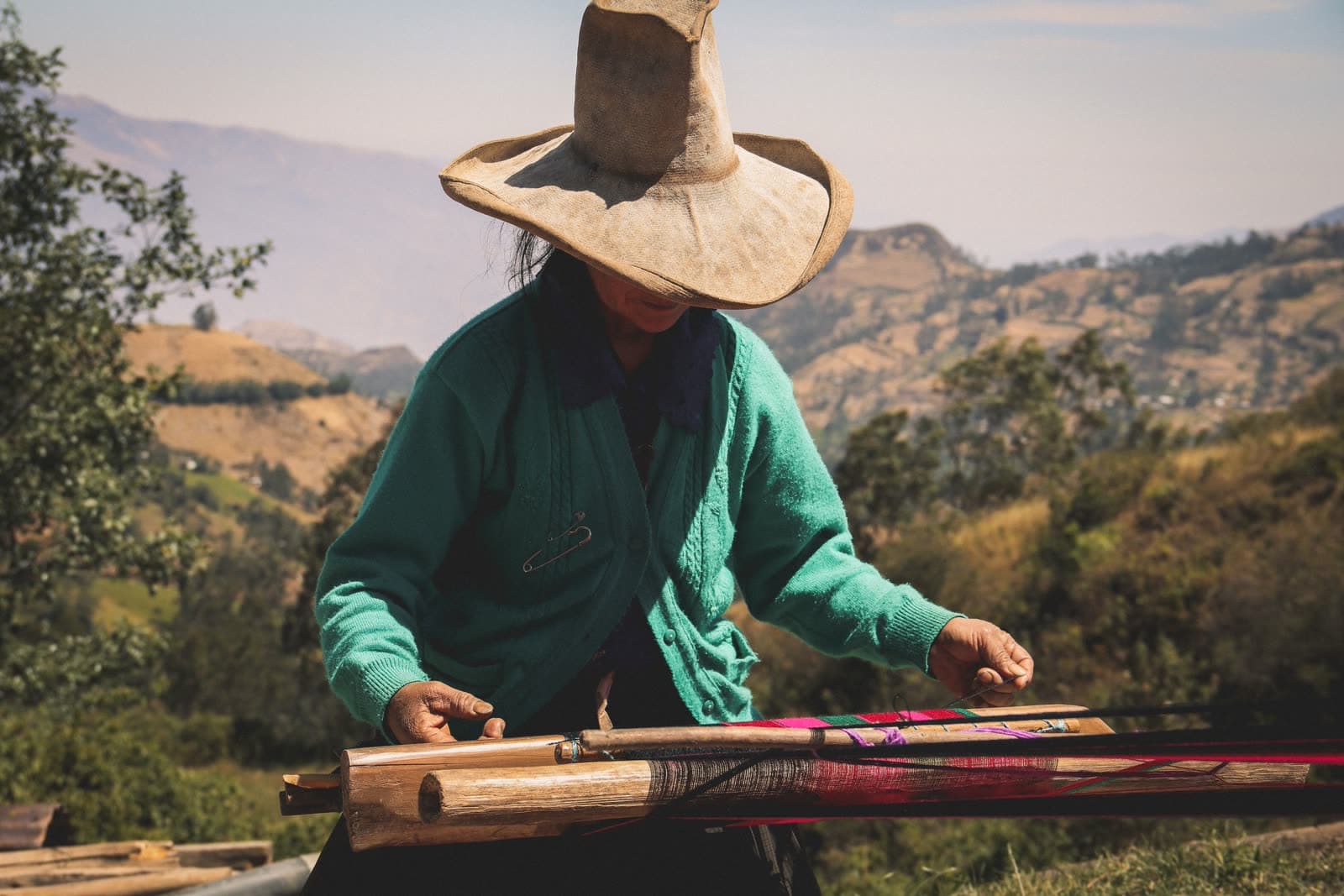
In high-altitude villages like Chinchero, local Quechua women carry on centuries-old textile traditions. Using natural dyes harvested from indigenous plants, insects and minerals, they spin and weave raw alpaca wool into intricate geometric patterns that tell stories of family lineage, agricultural cycles and reverence for Pachamama, or Mother Earth.
Experiences to include
- Machu Picchu on the first admission of the day.
- Ollantaytambo, where Incan channels still run down the streets.
- A weaving demonstration at Chinchero, from raw alpaca to finished cloth.
- The dye plants, minerals and insects behind those colours.
- A market morning somewhere in the Sacred Valley.
- Days at altitude before the citadel, not after it.
Best for: Travellers who want the villages as much as the citadel, and anyone who can give the altitude a few days before asking anything of it.
Egypt and the Nile: monolithic wonders and riverine timelines
To sail the Nile is to voyage along the main artery of human civilisation, where the grandeur of the pharaohs meets the quiet, timeless rhythm of river life.
The monuments of Luxor and the rhythm of the river
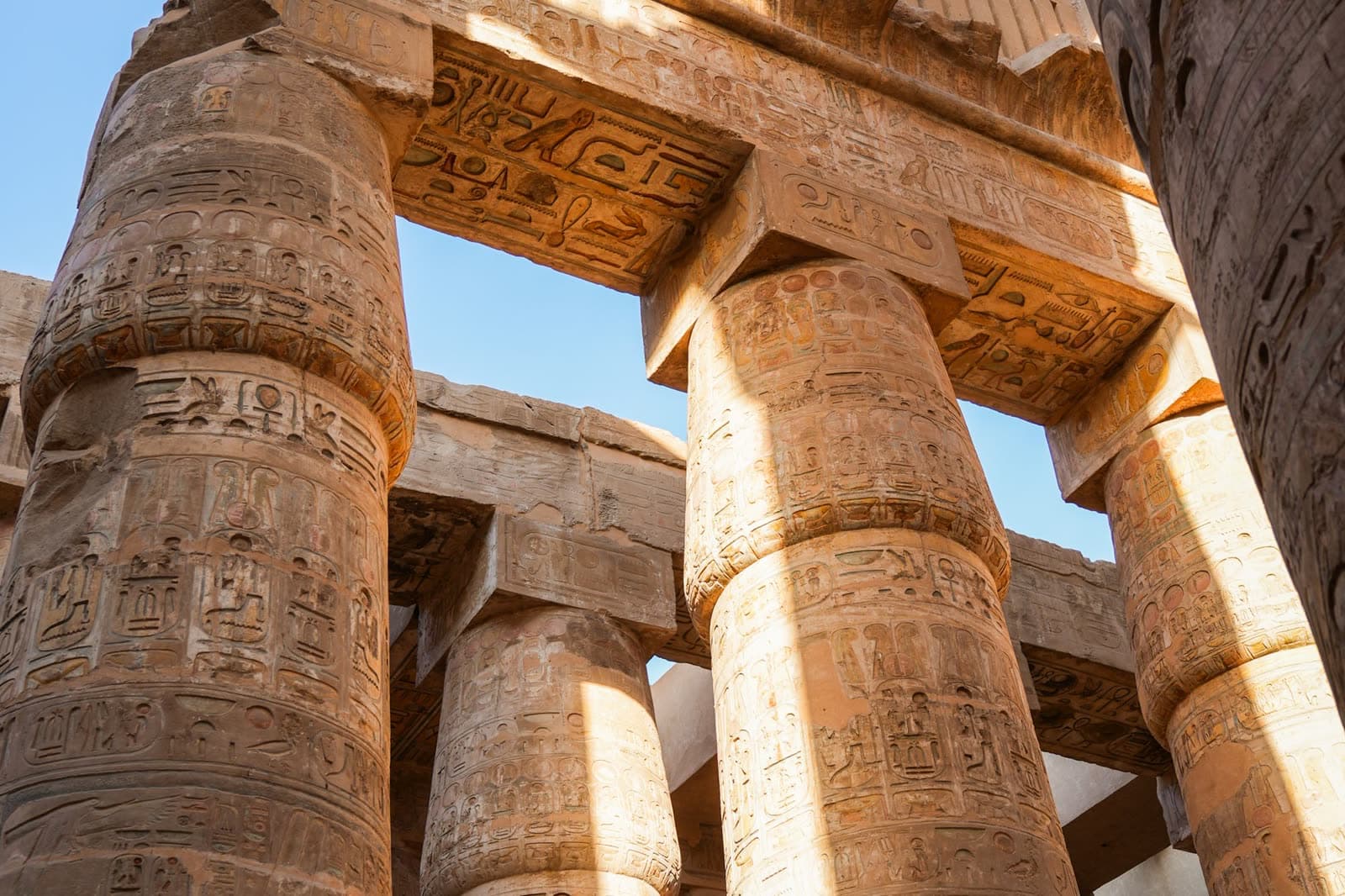
In Luxor, home to ancient Thebes, the sheer scale of history can be overwhelming. Walking between the giant hypostyle columns of Karnak Temple or descending into the vivid, painted tombs of the Valley of the Kings, you encounter a culture that viewed art, architecture and spirituality as eternal endeavours meant to span lifetimes.
Beyond the stone monuments, real connection happens on the water aboard a traditional wooden felucca. As the wind fills the sail and carries you past palm-fringed banks, mud-brick villages and water buffalo drinking from the river, you witness a scene that has remained virtually unchanged for thousands of years.
Experiences to include
- Karnak's hypostyle hall early, while the stone is still cool.
- The painted tombs of the Valley of the Kings.
- The Pyramids of Giza, on the way through Cairo.
- An afternoon on the Nile aboard a felucca.
- Mud-brick villages and palm banks seen from the water.
- Luxor itself, once the monuments have been ticked off.
Best for: Travellers who want the monuments and the river both, and anyone who would rather sail between sites than drive.
Mindful approaches to cultural exploration
To travel through history with empathy and open curiosity transforms a trip into a meaningful exchange.
Seek out local storytelling
Choose guides who belong to the communities you visit. Their personal memories and family histories bring stone ruins to life far better than dates alone.
Support traditional artisans
Invest directly in hand-crafted goods made by local artists using heritage techniques, helping preserve cultural crafts for future generations.
Travel with quiet reverence
Approach sacred sites, temples and historic ruins with respect. Dress appropriately, observe local customs and take moments of silent reflection to truly absorb the spirit of the place.
Suggested culture and history itineraries
Kyoto and the imperial capital
Suggested duration: 10 to 14 days
Kyoto – Tokyo – optional Nara or Hiroshima.
Combine temples, gardens, craft workshops and food.
Jordan and the Levant
Suggested duration: 10 to 14 days
Amman – Petra – Wadi Rum – optional Dead Sea.
Combine ancient sites, desert landscapes, local food and cultural experiences.
Peru and the Sacred Valley
Suggested duration: 10 to 14 days
Lima – Cusco – Sacred Valley – Machu Picchu.
Combine ancient sites, local food, cultural experiences and natural landscapes.
Egypt and the Nile
Suggested duration: 10 to 14 days
Cairo – Luxor – Nile cruise – Aswan – optional Red Sea.
A culturally rich itinerary focused on ancient history, temples, archaeology and time beside the water.
Travel with Pauls Travel
Culture and history is not a destination to rush through. Its scale asks for a little patience, but that is part of the reward.
A first journey might take you from Kyoto's temples to the quiet of the Sacred Valley. Another may follow Jordan's ancient sites, Peru's highland villages or Egypt's Nile. You could add a craft workshop, a family culture holiday or a few days beside the water.
Pauls Travel can help arrange:
- A first culture and history journey.
- A tailor-made culture and history programme.
- A family culture holiday.
- A culture and history and beach holiday.
- A culture and history and nature journey.
- A culture and history and food journey.
We can help select the right retreat, programme, guide and transport plan, while allowing enough time for the journey to feel considered rather than compressed.
Ready to discover culture and history? Contact Pauls Travel on 03 9070 7461 and start planning your tailor-made journey.