Europe: A continent made for travelling
Italy, Greece, France, Spain, Croatia, Switzerland, Scandinavia, the Netherlands, Ireland, Portugal and Iceland — how to choose a route, and how much to leave out.
Quick answerHow do I choose a Europe route from Australia?
Europe packs many countries into short distances, so a journey from Australia works best with a clear route rather than trying to see everything. Rail, short flights and ferries connect most itineraries. Spring and autumn are generally more comfortable than high summer. Check current Schengen and Ireland entry rules before you book.
Few places pack so much history, scenery and character into such a small area as Europe. A train journey can carry you from the vineyards of Tuscany to the Swiss Alps, while a short flight links the cafés of Amsterdam with the island harbours of Greece.
Europe is a living landscape of ancient ruins, medieval towns, grand museums, mountain villages and beaches shaped by the Mediterranean. It is also a place of everyday rituals: morning coffee at a pavement table, a long lunch in a village square, a late dinner in Spain or an evening walk along an Adriatic waterfront.
For Australian travellers, Europe can be a first grand journey, a return to a favourite country or a carefully planned route through several regions. The key is not to see everything. It is to choose a route with enough space to enjoy the places between the major sights.
At Pauls Travel, we can help you shape a European holiday around your interests, the season and the pace you prefer.
Do Australians need a visa for Europe?
Australians can generally visit the Schengen Area visa-free for short tourism stays of up to 90 days in any 180-day period, but the rule applies across the Schengen Area rather than separately to each country. Ireland is outside the Schengen Area, and entry requirements can vary by passport and destination. Check current official guidance before departure — see Smartraveller.
Where should you begin?
Europe is easier to plan when you start with the kind of experience you want. Italy and France suit travellers drawn to art, architecture, food and wine. Greece, Croatia, Spain and the Italian coast offer beaches, islands and warm evenings. Switzerland and Scandinavia are natural choices for mountains, scenic rail journeys and outdoor adventure.
Families often enjoy the combination of manageable cities, beaches, castles, museums and reliable transport found across France, Italy, Spain, Greece, Croatia, Ireland and the Netherlands. For a slower journey, consider Portugal, Provence, Tuscany, Puglia, Ireland, Croatia's islands or the Scandinavian countryside.
Italy
The art of living well.
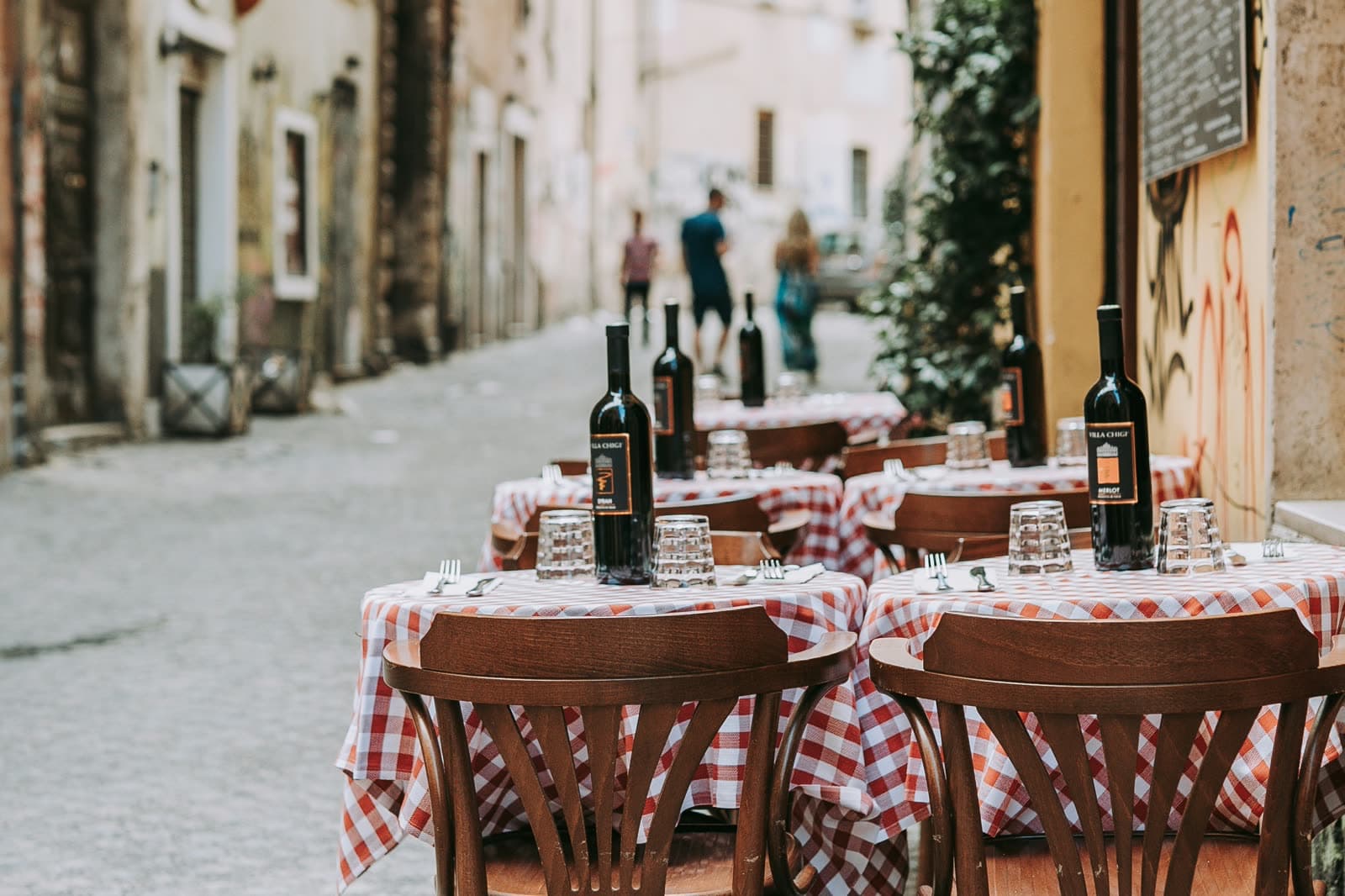
Italy rewards attention to detail: the sound of an espresso cup placed on a marble counter, the first glimpse of a piazza after a narrow street, the taste of fresh pasta in the region where it was made.
The country is best experienced as a collection of regions rather than a single itinerary. Rome, Florence and Venice provide an extraordinary first journey, while Sicily, Puglia, the Dolomites, the Italian Lakes and Emilia-Romagna invite repeat visits.
Rome
Rome is an open-air history lesson that remains fully inhabited. The Colosseum, Roman Forum, Pantheon and Vatican Museums are essential, but the city comes alive in the quieter spaces between them.
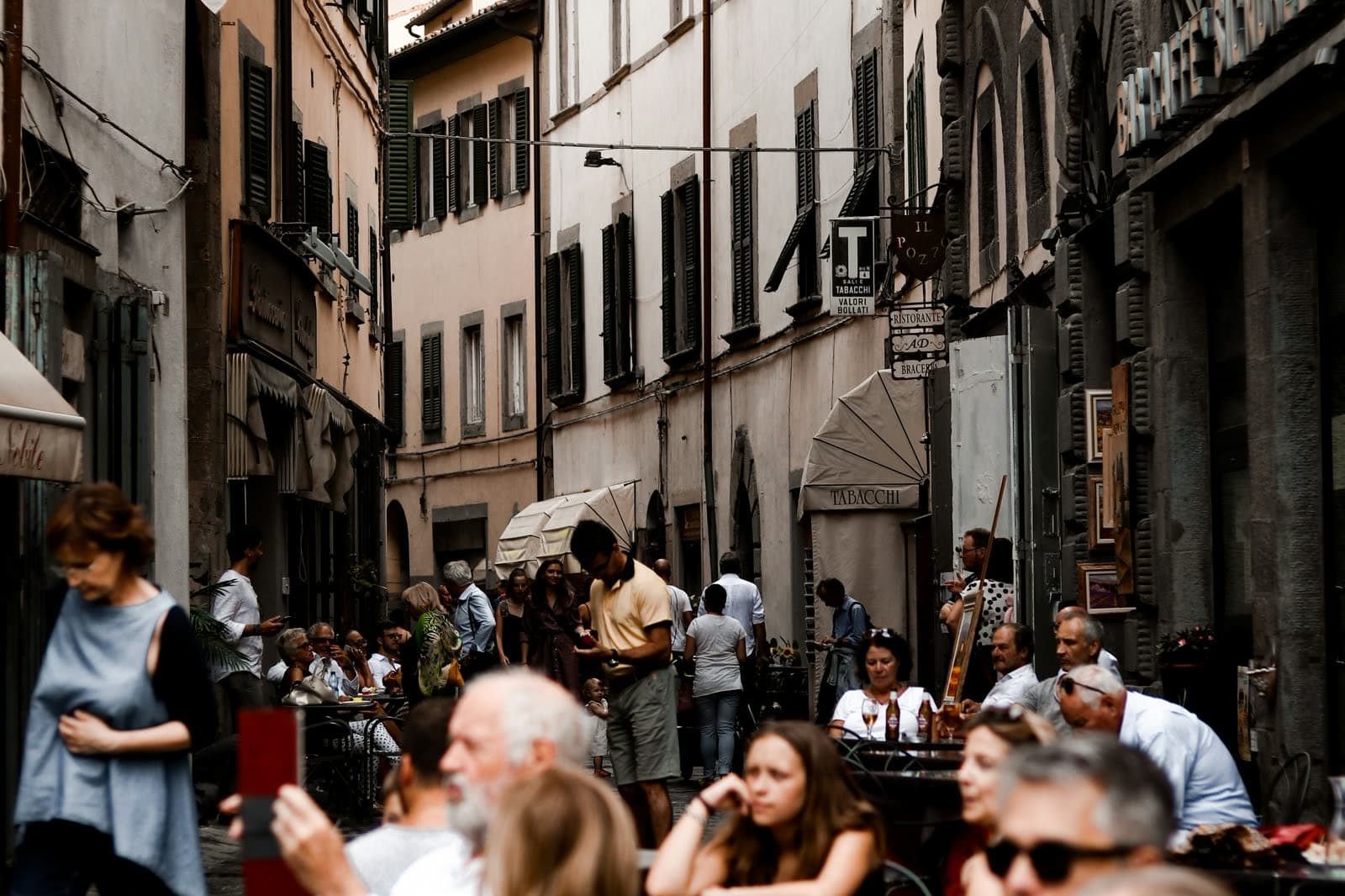
Explore Trastevere, browse the markets of Testaccio, visit the Borghese Gallery or take an evening walk through the historic centre. Rome is also a city for food: cacio e pepe, supplì, gelato and simple regional dishes served without ceremony.
Florence and Tuscany
Florence is compact, walkable and rich in Renaissance art. Visit the Uffizi, the Accademia and the Duomo, then leave time for artisan workshops, market lunches and views across the Arno.
Beyond the city, the Tuscan landscape unfolds through vineyards, cypress-lined roads and hill towns. A private driver, guided tour or self-drive route can link Siena, San Gimignano, Pienza, Montalcino and the Val d'Orcia.
Venice
Venice is most atmospheric before the day's crowds arrive and after they begin to leave. See St Mark's Basilica and the Doge's Palace, then wander through Cannaregio, Dorsoduro or the quieter lanes around the lagoon.
Murano, Burano and Torcello provide easy excursions beyond the main island.
Beyond the classics
The Amalfi Coast and Cinque Terre are known for their cliffside villages and sea views, while Puglia offers whitewashed towns, olive groves and a slower pace. Sicily combines Greek temples, Baroque cities, volcanic landscapes and a cuisine shaped by centuries of cultural exchange.
The Dolomites are a natural choice for hiking and mountain scenery. Lake Como and Lake Maggiore offer elegant lakeside towns, gardens and a more leisurely version of northern Italy.
Experiences to include
- Make pasta with a local cook.
- Taste wine in Tuscany, Piedmont or Sicily.
- Explore a food market with a guide.
- Travel by train between the main art cities.
- Stay in a restored farmhouse, palazzo or masseria.
- Walk the Path of the Gods above the Amalfi Coast.
- Take a boat between the villages of the Italian Riviera.
Best for: Art, architecture, food, wine, history, honeymoons, road trips and repeat visitors.
When to visit: April to May and September to October usually bring warm days and fewer visitors than the height of summer. Mountain and coastal conditions vary, so the best timing depends on your route.
Greece
Mythic islands and Aegean light.
Greece is a country of ancient stones, bright water and long meals. On the mainland, classical sites sit among mountains and olive groves; offshore, the islands offer beaches, fishing villages and a slower rhythm.
Athens
Athens deserves more than an overnight stop before a ferry. Begin with the Acropolis and Acropolis Museum, then explore Plaka, Anafiotika, Monastiraki and Koukaki.
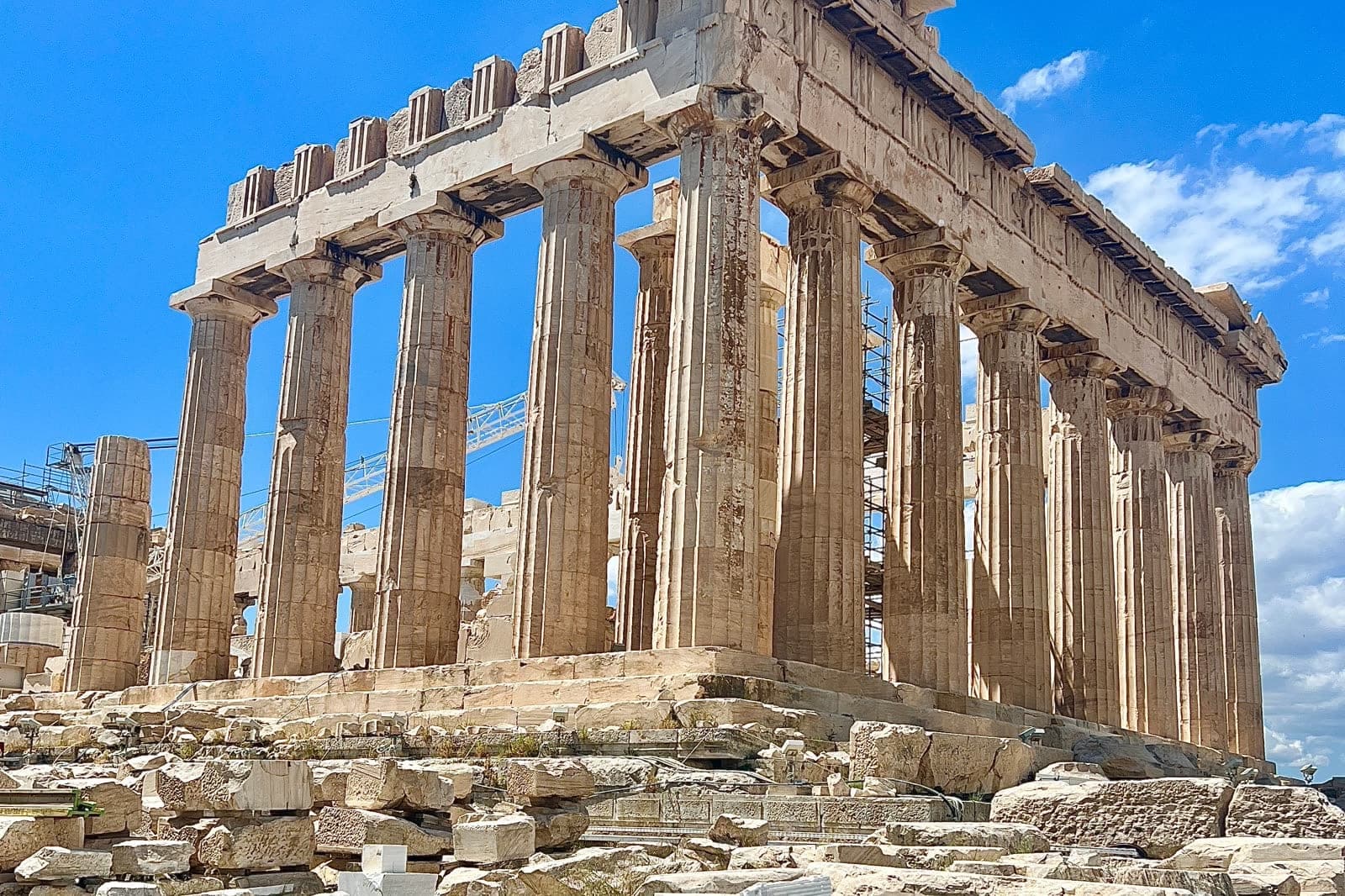
The city's contemporary character is found in its galleries, rooftop restaurants, food markets and neighbourhood tavernas. Cape Sounion makes a worthwhile day trip, particularly towards sunset.
The Greek islands
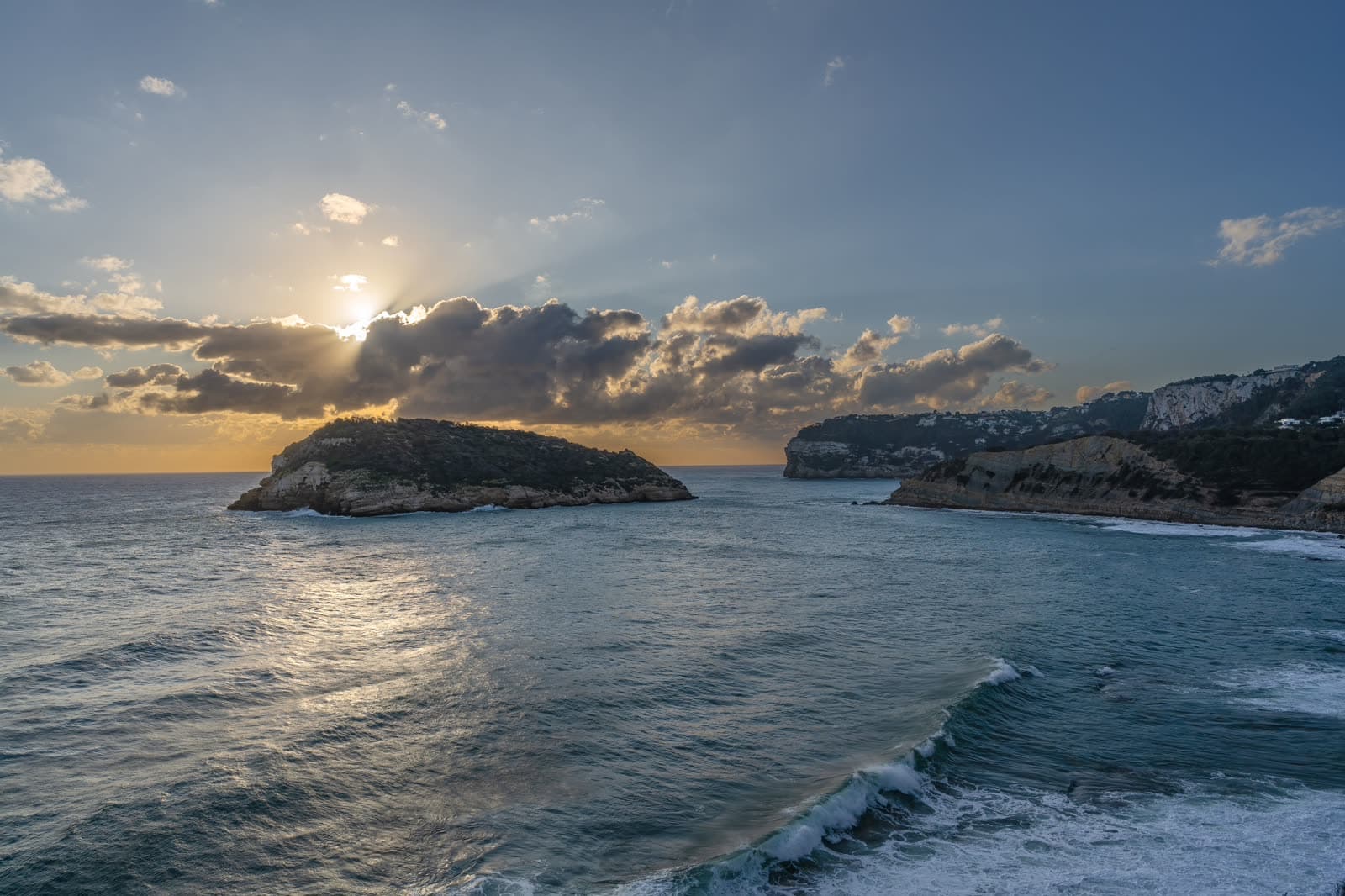
Santorini is dramatic, shaped by a volcanic caldera and whitewashed villages above the sea. It suits a short stay, particularly for couples, although its most famous viewpoints are busy in high season.
Mykonos combines a beautiful old town, beaches, restaurants and a lively summer scene. For a gentler pace, look beyond the main town.
Crete is the most varied of the larger islands, with archaeological sites, mountains, beaches and a strong food culture.
Naxos and Paros offer a useful balance of beaches, villages and ferry connections. Corfu brings Venetian architecture, olive groves and a greener landscape.
Experiences to include
- Explore Delphi on the slopes of Mount Parnassus.
- See the monasteries of Meteora above the Thessalian plain.
- Sail between islands.
- Visit a family-run winery.
- Take a Greek cooking class.
- Swim from a quiet cove.
- Eat grilled seafood at a village taverna.
- Walk an island village before the heat of the day.
Best for: Island-hopping, archaeology, sailing, beaches, food, family holidays and honeymoons.
When to visit: May to June and September to October often combine warm weather, pleasant swimming conditions and fewer crowds than July and August. Some ferry routes operate less frequently outside the main season.
France
Gastronomy, glamour and countryside.
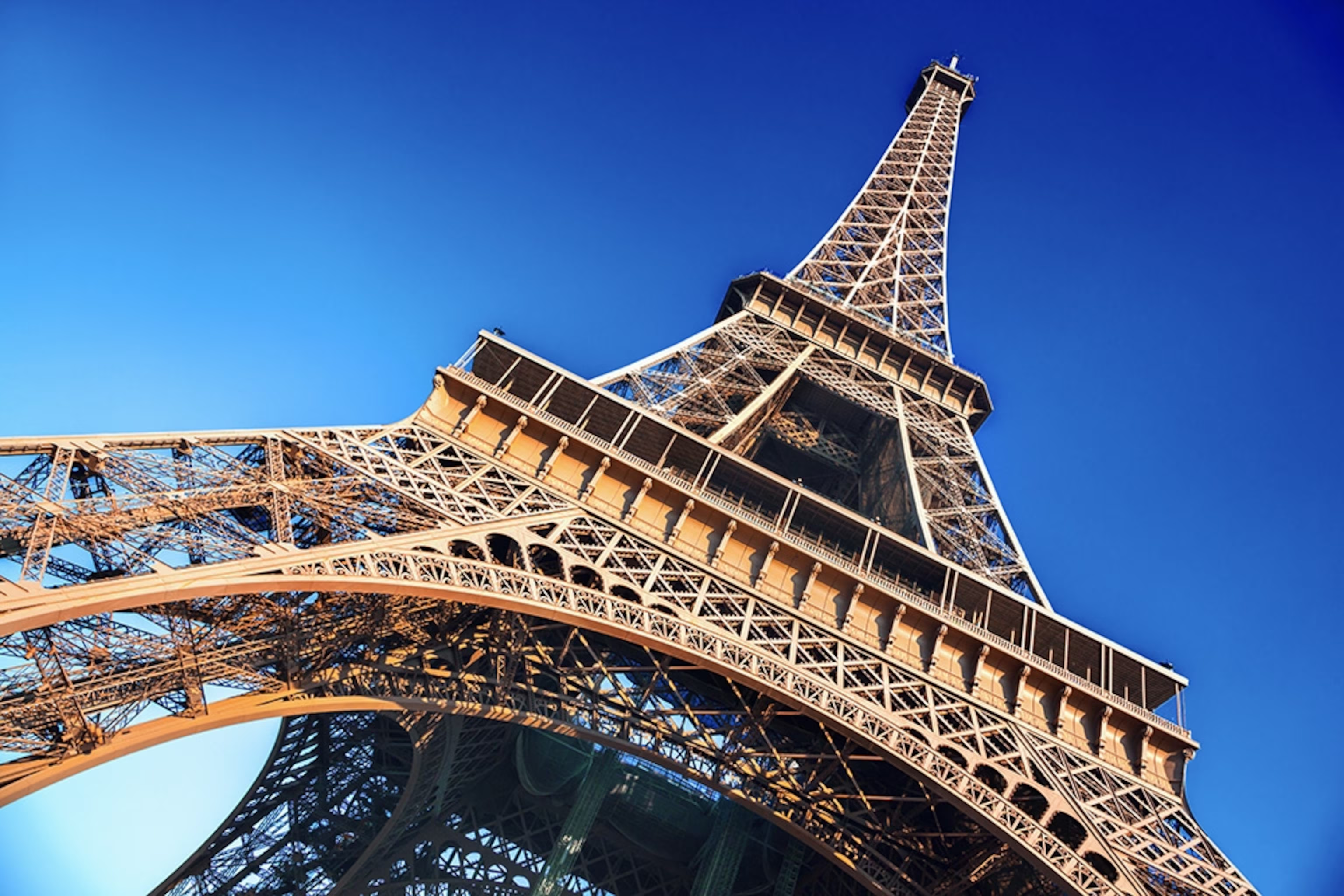
France shifts easily from grand to intimate. Paris provides museums, monuments and neighbourhoods made for walking; beyond the capital are vineyards, châteaux, lavender fields, Atlantic beaches, mountain resorts and Mediterranean towns.
Paris
Paris is a city to explore by district. Visit the Louvre and Musée d'Orsay, then walk through the Marais, along the Seine or around Canal Saint-Martin.
Montmartre is best approached early, while Versailles makes an easy day trip. Leave room for markets, bakeries, small wine bars and the gardens of Luxembourg or the Tuileries.
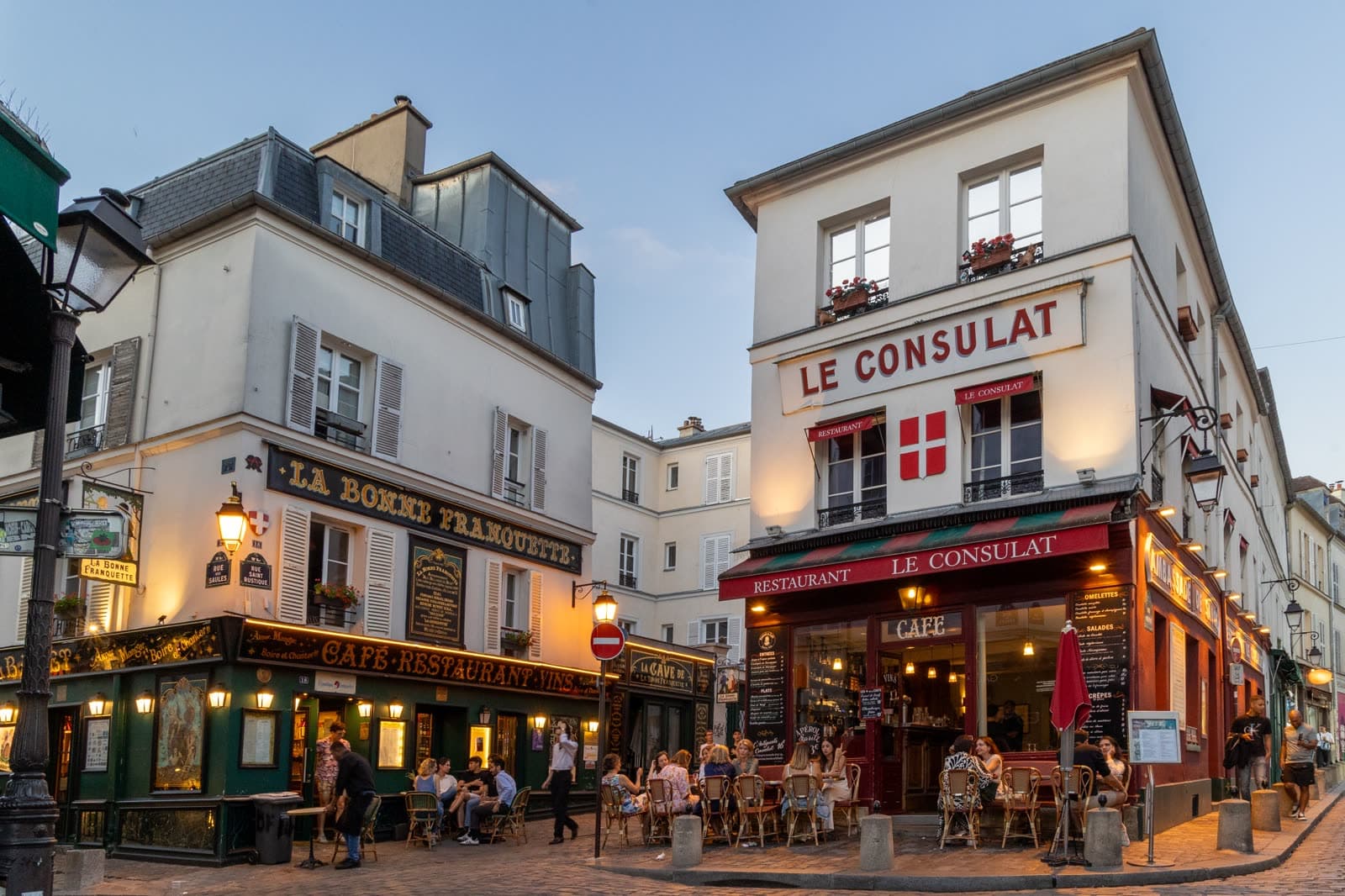
Provence and the French Riviera
Provence brings hilltop villages, Roman remains, markets and vineyards. The Côte d'Azur is more polished, with Nice, Antibes, Menton, Cannes and Monaco linked by rail and coastal roads.
The Loire, Bordeaux and Burgundy
The Loire Valley is made for château visits and cycling. Bordeaux is a natural base for wine and food, while Burgundy offers vineyard villages and cellar doors at a slower pace.
Experiences to include
- Visit a market and cook with a local chef.
- Taste wine in Bordeaux, Burgundy or the Rhône Valley.
- Cycle between Loire châteaux.
- Stay in a village hotel or countryside estate.
- Explore Provence by car with time for unplanned stops.
- Take a coastal walk near Nice or Marseille.
- Enjoy a long lunch built around regional produce.
Best for: Art, food, wine, history, family holidays, romantic escapes and luxury travel.
When to visit: May and June bring mild weather and spring colour. September and October are especially appealing in the wine regions, when harvest brings activity to the vineyards.
Spain
Passion, food and regional character.
Spain operates on its own timetable. Lunch can stretch into the afternoon, dinner begins late and each region takes pride in its own language, landscape and food.
Barcelona
Barcelona brings together Gaudí's architecture, a medieval centre, Mediterranean beaches and neighbourhoods full of restaurants and bars.
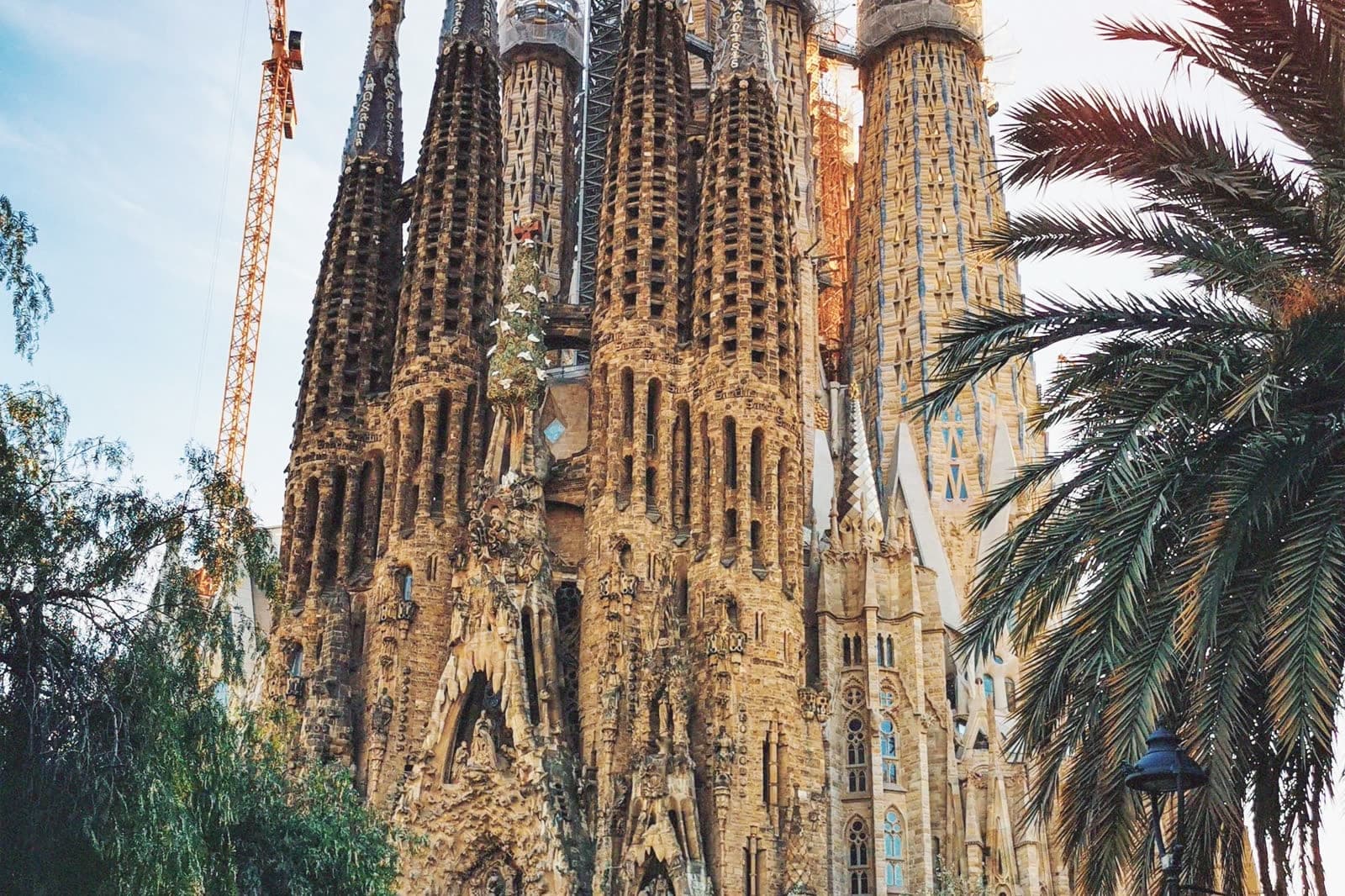
Visit the Sagrada Família and Park Güell, then explore El Born, the Gothic Quarter, Montjuïc and the city's markets. Book popular attractions ahead, particularly in summer.
Madrid
Madrid is a city of museums, parks, neighbourhood bars and late evenings. The Prado, Reina Sofía and Thyssen-Bornemisza form an exceptional art circuit, while Retiro Park and the neighbourhoods of La Latina and Chamberí provide a change of pace.
Andalusia
Seville, Córdoba and Granada create one of Europe's most rewarding cultural routes. The Alhambra, Córdoba's Mezquita and Seville's Alcázar reveal the depth of Islamic and Christian history in the region.
Add flamenco, orange-scented courtyards, village roads and meals built around jamón, seafood, olives and local wine.
Northern Spain
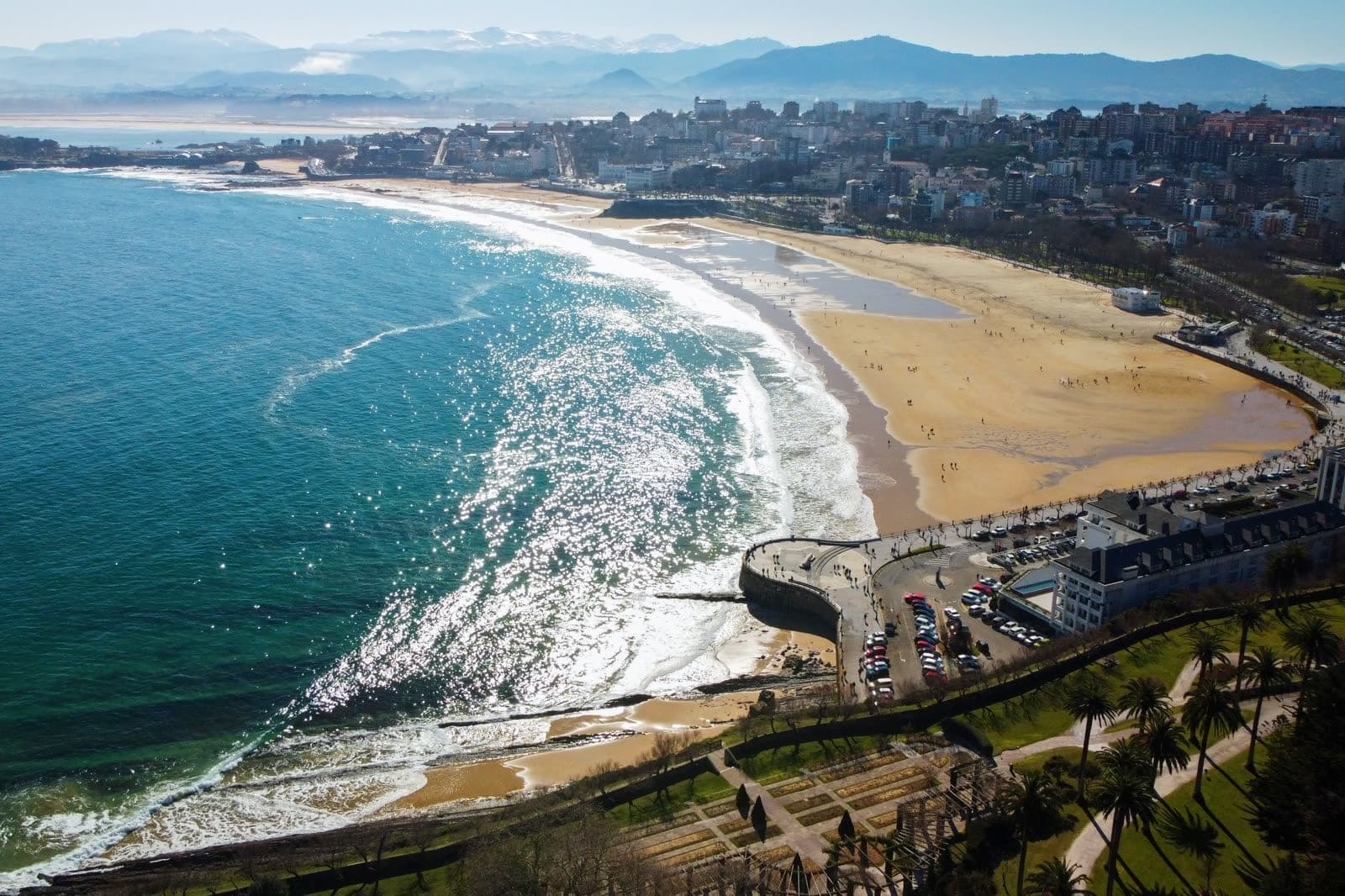
The Basque Country, Galicia, Asturias and Cantabria offer a greener, more Atlantic experience. San Sebastián is known for pintxos and fine dining, while Bilbao combines contemporary architecture with a strong regional food culture.
Experiences to include
- Join a tapas or pintxos crawl.
- Watch flamenco in an intimate venue.
- Take a cooking class.
- Visit a winery in Rioja, Jerez or Catalonia.
- Travel by train between Madrid, Seville and Córdoba.
- Explore the coast by car.
- Spend an evening in a neighbourhood bar rather than a tourist strip.
Best for: Food, architecture, art, beaches, nightlife, families and travellers who enjoy strong regional identities.
When to visit: Spring and autumn are generally the most comfortable seasons for sightseeing, particularly in Madrid and Andalusia. Coastal areas remain popular through summer, while northern Spain tends to be cooler and greener.
Croatia
The Adriatic at walking pace.
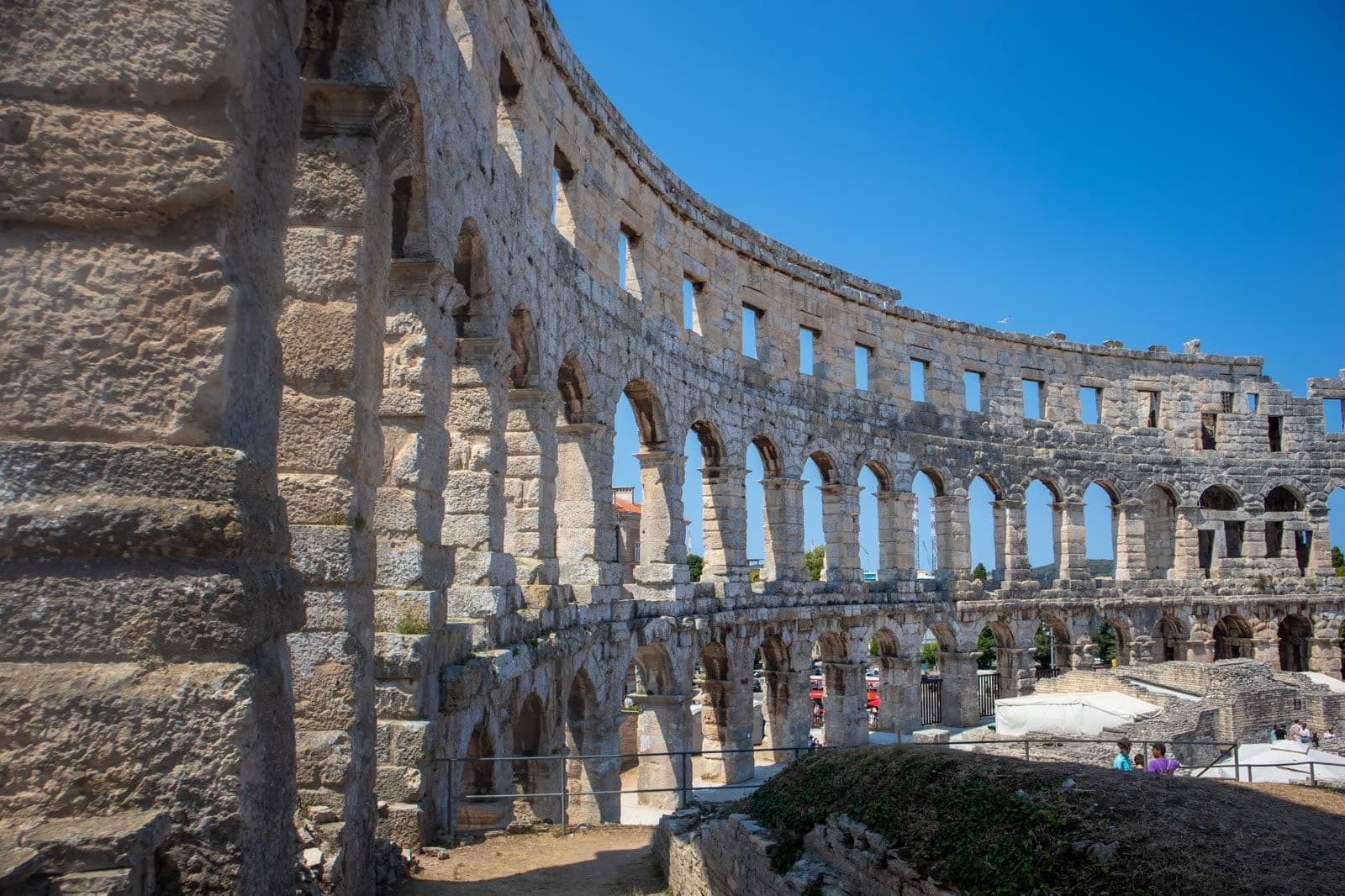
Croatia's coast is a chain of stone towns, pine-covered islands, clear water and coves reached by boat. The most enjoyable itineraries resist the urge to change hotels every night.
Dubrovnik
Dubrovnik's walls, terracotta roofs and position above the Adriatic make it one of Europe's most striking cities. Walk the walls early, explore the old town and take to the water for a different perspective.
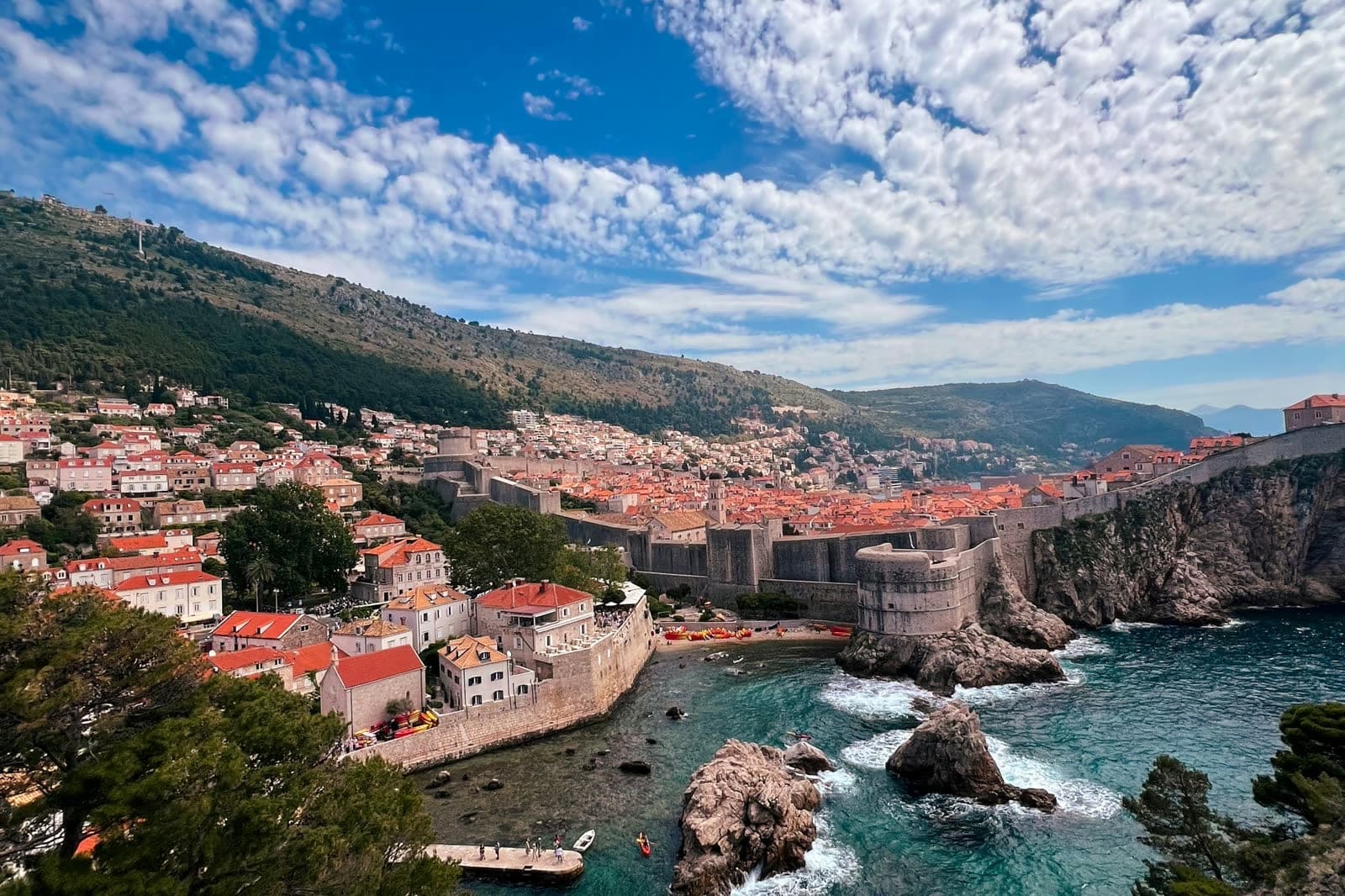
Add Lokrum Island, a sea-kayaking trip, the Pelješac Peninsula or a day devoted to local oysters and wine.
Split and the Dalmatian islands
Split's old town grew around Diocletian's Palace, and Roman columns now share the space with cafés, shops and everyday city life.
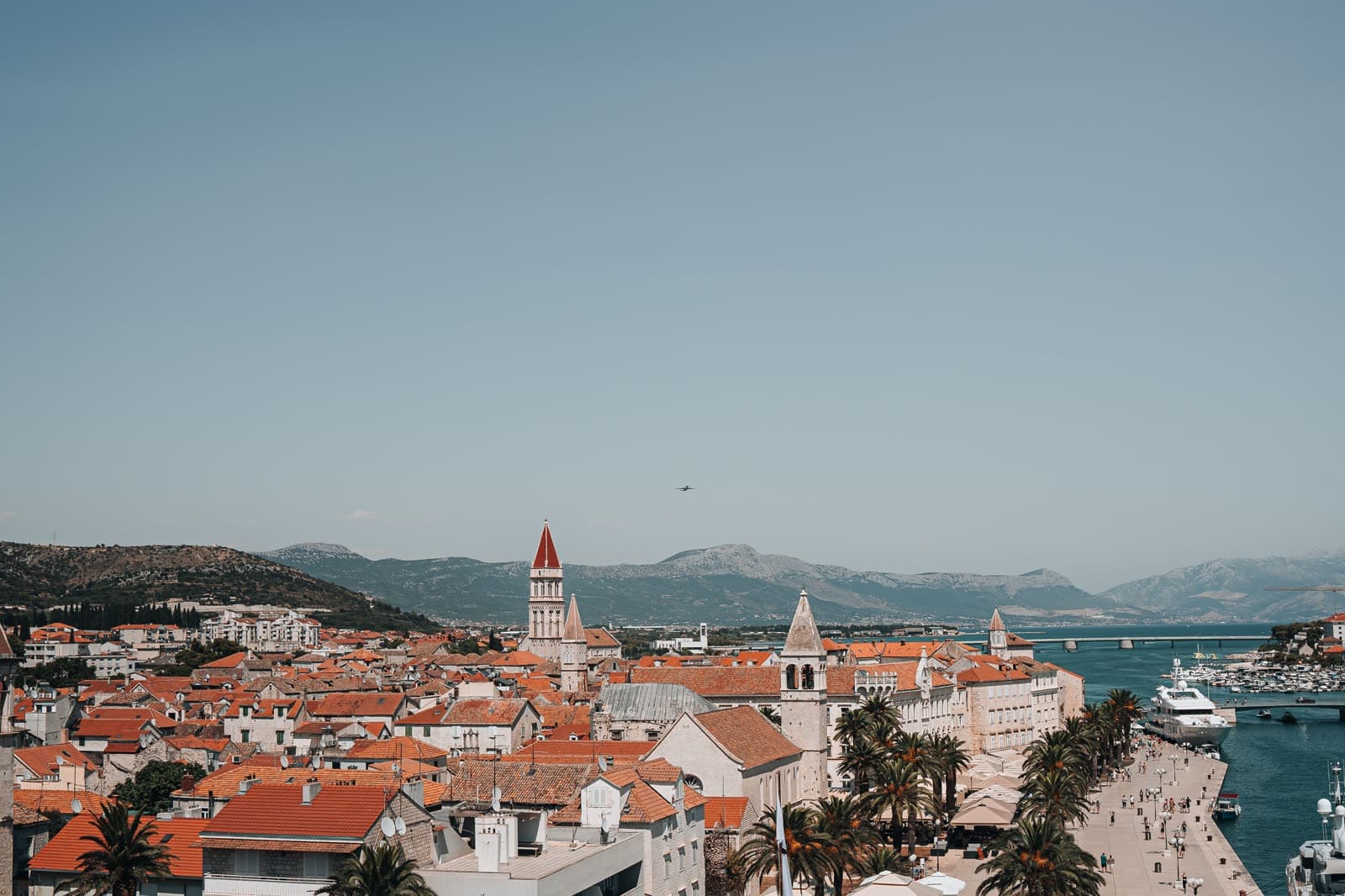
From Split, ferries connect with Hvar, Brač, Vis and Korčula. Hvar is lively and polished; Vis is quieter and more rural; Korčula combines vineyards, old-town streets and beaches.
Istria and the interior
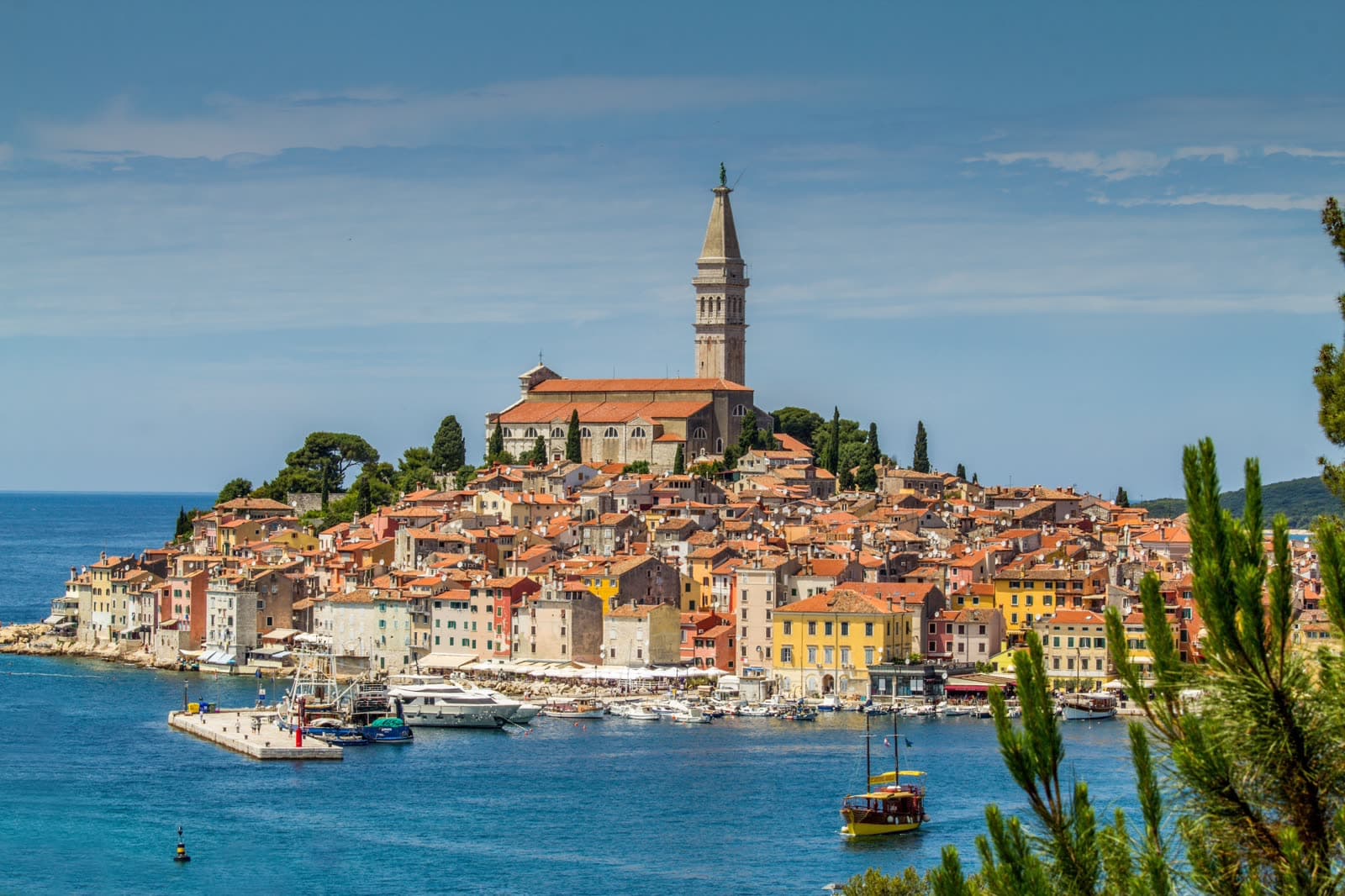
Istria offers hill towns, truffles, olive oil and Italian-influenced food. Inland, Plitvice Lakes National Park is known for linked lakes, waterfalls and forest boardwalks.
Experiences to include
- Sail or ferry between the islands.
- Kayak beneath Dubrovnik's walls.
- Taste wine and olive oil in Istria.
- Swim from a quiet cove.
- Explore Plitvice Lakes early in the day.
- Join a seafood or cooking experience.
- Drive through the Dalmatian hinterland.
Best for: Sailing, sea kayaking, history, food, families, couples and coastal road trips.
When to visit: May, June and September often offer warm weather and fewer visitors than July and August. Island services and ferry timetables are more limited outside the main season.
Switzerland
Alpine journeys and lakeside towns.
Switzerland is a destination where the journey deserves as much attention as the arrival. Trains climb through valleys, cable cars rise above villages and boats cross lakes beneath snow-bright peaks.
The Alps
The Jungfrau region offers villages such as Grindelwald, Wengen, Mürren and Lauterbrunnen, with trails and mountain transport suited to different levels of fitness.
Zermatt sits below the Matterhorn and is car-free in its centre. It works in summer for hiking and in winter for skiing.
Lucerne and the lakes
Lucerne combines a compact old town with lake scenery and easy access to Mount Pilatus and Mount Rigi. Montreux, Lake Geneva and the Lavaux vineyards provide a gentler lakeside counterpoint.
Experiences to include
- Take a mountain railway or cable car.
- Hike between Alpine villages.
- Cruise Lake Lucerne or Lake Geneva.
- Visit a cheese-maker or chocolatier.
- Stay in a mountain hotel.
- Travel on a scenic rail route.
- Ski in winter or walk in summer.
The Glacier Express, Bernina Express and GoldenPass routes can form part of a wider journey, subject to operating dates and reservations.
Best for: Mountain scenery, hiking, skiing, families, scenic rail travel, wellness and travellers who appreciate reliable logistics.
When to visit: July to September is generally strongest for high-altitude walking and lake travel. December to March is the main winter season, although snow conditions vary by resort and elevation.
Scandinavia
Fjords, forests and northern light.
Scandinavia—Norway, Sweden and Denmark—combines polished cities with large expanses of forest, water and mountain. Finland and Iceland are often added to Nordic itineraries for saunas, lakes, volcanic landscapes and northern-lights travel.
Copenhagen
Copenhagen is a city for bicycles, design, bakeries, harbour walks and long meals. Explore Nørrebro, Christianshavn and the Louisiana Museum of Modern Art, and allow time for the city's excellent food scene.
Stockholm
Built across islands, Stockholm offers a handsome old town, waterfront museums and access to a wide archipelago. Visit the Vasa Museum, explore Södermalm and take a ferry beyond the centre.
Oslo and the Norwegian fjords
Oslo combines museums, architecture and outdoor life. From there, rail and coastal routes lead towards Bergen and the fjords.
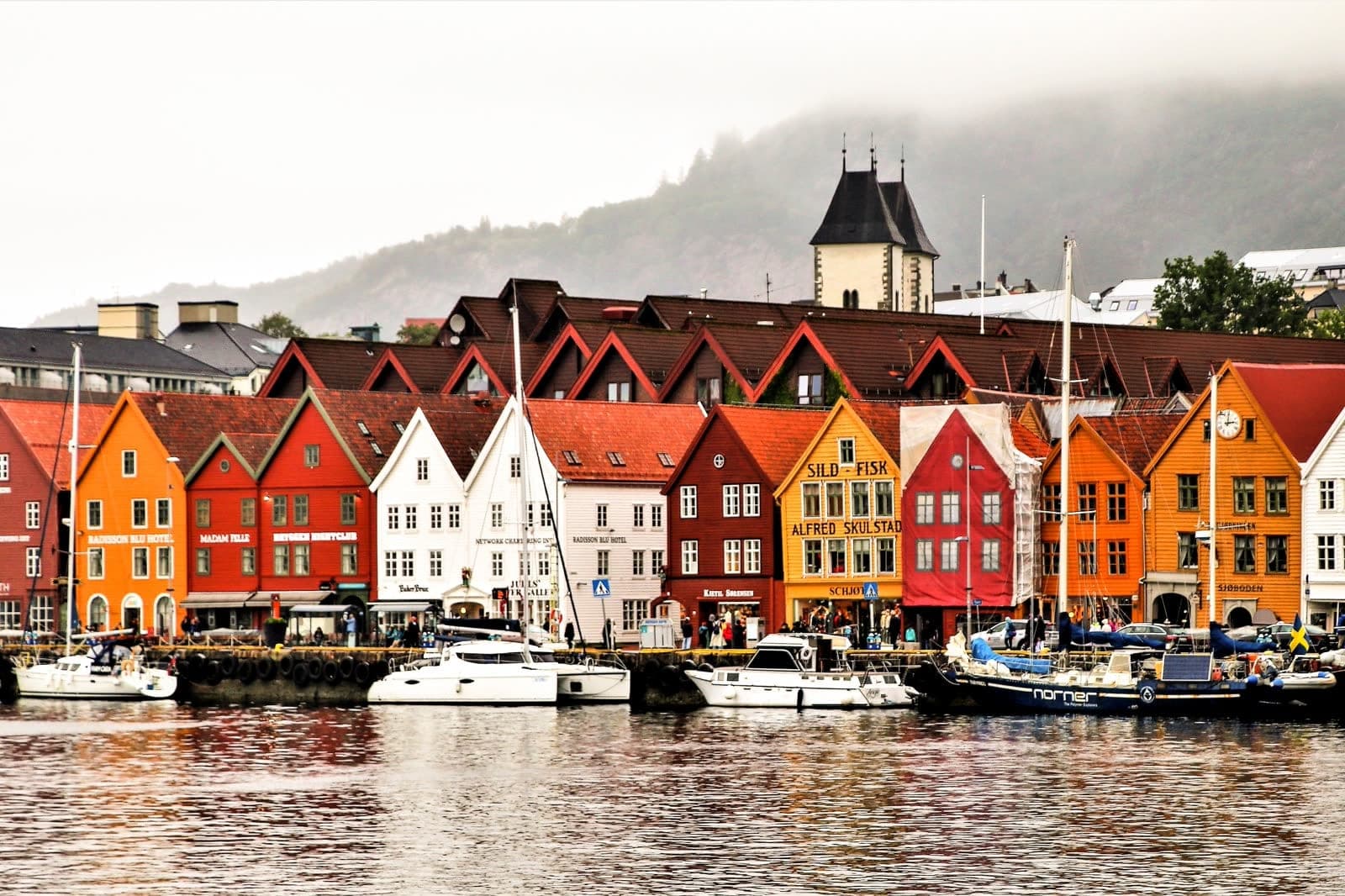
Norway's landscape is not merely scenery viewed through a window. It is experienced through ferries, short hikes, mountain railways and weather that can change by the hour.
The far north
Northern Norway, Sweden and Finland offer long summer days and winter opportunities to see the northern lights. The aurora is never guaranteed, so choose an itinerary with worthwhile daytime activities such as husky rides, snowshoeing, local food and sauna culture.
Best for: Outdoor travel, design, food, winter experiences, rail journeys, families and travellers seeking a cooler alternative to the Mediterranean.
When to visit: June to August brings long days and good conditions for many hikes and road trips. December to March is the main season for snow-based activities and northern-lights excursions.
Amsterdam and the Netherlands
Canals, art and easy connections.
Amsterdam is best explored slowly, by foot, bicycle and boat. Its canal ring provides the setting, but the city's real character lies in its neighbourhoods, museums, markets and everyday café life.
Visit the Rijksmuseum, Van Gogh Museum and Anne Frank House with advance planning. Then leave the centre for De Pijp, Jordaan, Noord or the western harbour districts.
Beyond Amsterdam
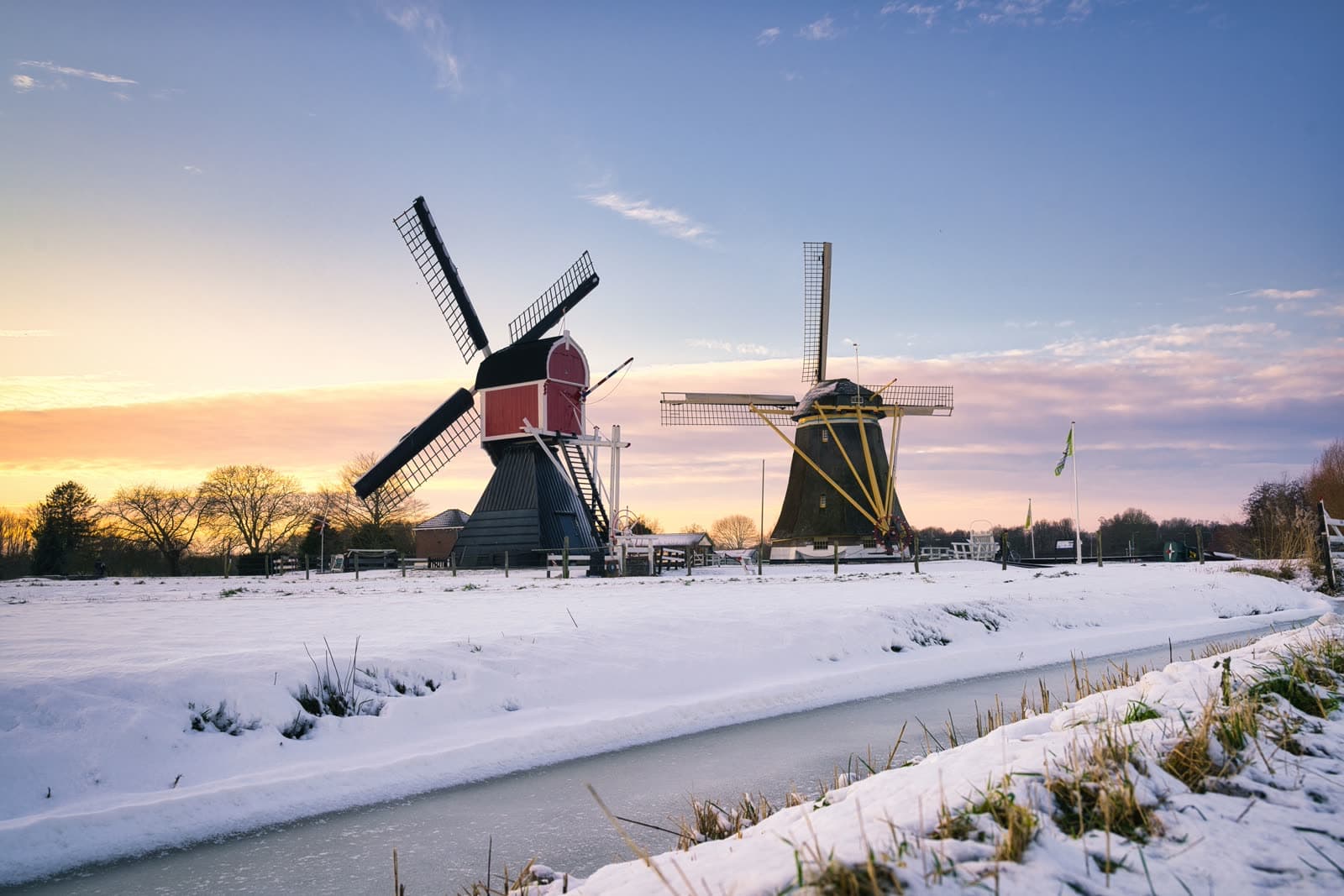
The Netherlands is compact and easy to explore by train. Delft offers ceramics and historic streets, Utrecht has canal-side cafés, Rotterdam brings modern architecture and Kinderdijk preserves its famous windmills.
The bulb fields are a seasonal attraction, while the Frisian Islands offer beaches and cycling.
Experiences to include
- Cruise the canals at dusk.
- Take a guided cycling tour.
- Visit a market.
- Try Dutch cheese and local beer.
- Explore the Rijksmuseum or Van Gogh Museum.
- Take a day trip by train.
- Stay in a canal house or design hotel.
Best for: Art, architecture, cycling, families, short breaks and travellers who like cities with easy regional connections.
When to visit: April and May are popular for tulips and spring travel. September and October are calmer, with cooler weather and autumn colour along the canals.
Dublin and Ireland
Atlantic landscapes and stories worth staying for.
Ireland is a country of literary cities, village pubs, stone ruins, green hills and a coastline shaped by Atlantic weather. Its compact size makes it possible to combine Dublin with a road trip through the west or south.
Dublin
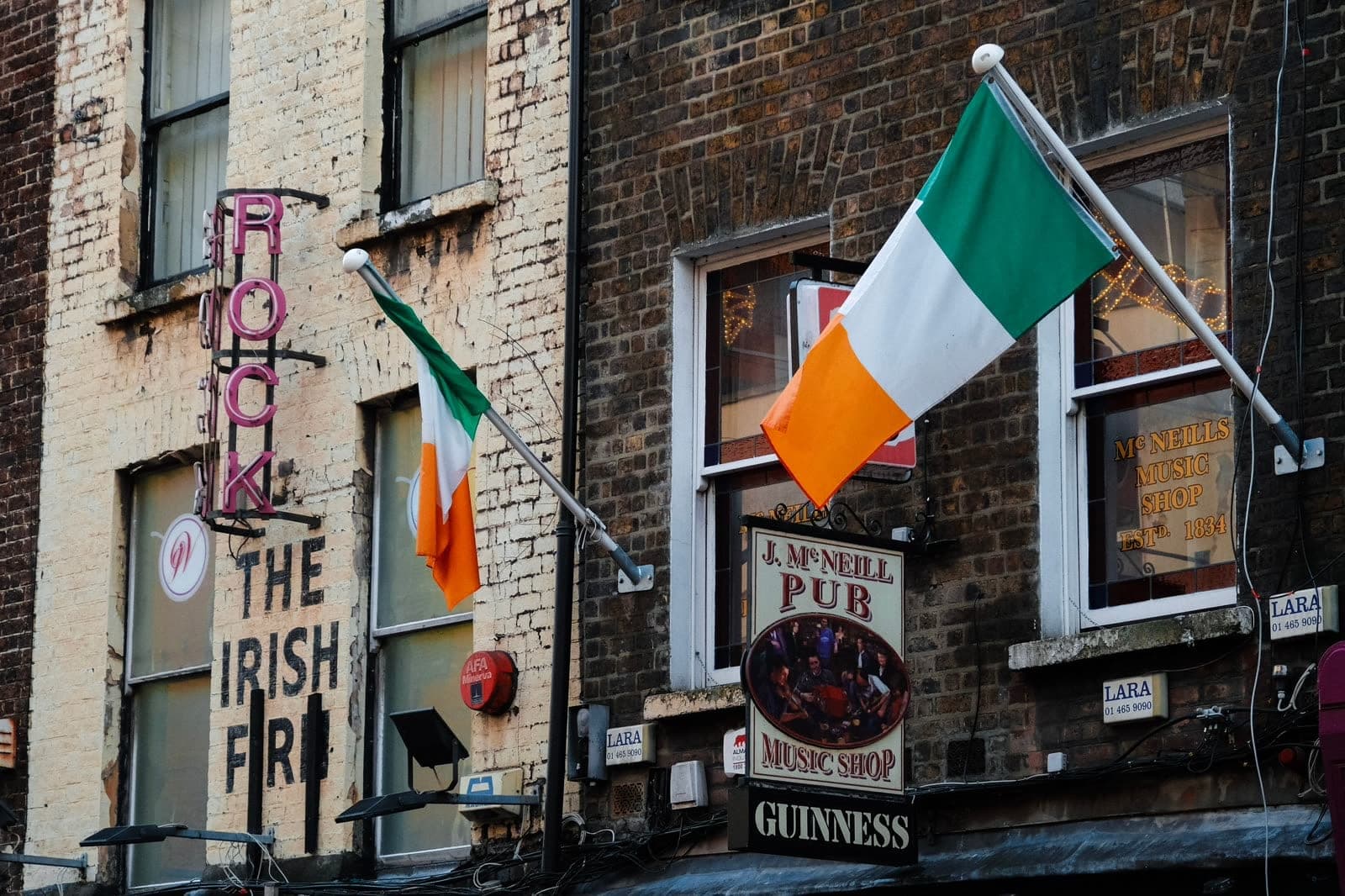
Visit Trinity College and the Book of Kells, explore the National Gallery and walk through the Georgian squares. Temple Bar is historic but busy; for a more local evening, look towards neighbourhood pubs where traditional music is part of the room rather than a staged attraction.
Beyond Dublin
Galway, Connemara, County Clare and County Kerry offer different versions of the western landscape. The Wild Atlantic Way is best travelled slowly, with time for short walks and weather-dependent detours.
The north brings Belfast and the Causeway Coast, while Cork, Kinsale and the south combine food, harbour towns and country roads.
Experiences to include
- Join a literary or historical walk.
- Hear traditional music in a local pub.
- Drive part of the Wild Atlantic Way.
- Visit a family-run food producer.
- Explore the Cliffs of Moher from a quieter viewpoint.
- Stay in a country house or village hotel.
- Try Irish whiskey, stout or local craft beer.
Best for: History, literature, music, scenery, road trips, families and travellers who enjoy conversation and an unhurried route.
When to visit: May to September brings longer daylight and generally milder conditions. Rain is possible year-round, but it is part of the landscape rather than a reason to abandon the journey.
Portugal
Atlantic light and an easy rhythm.
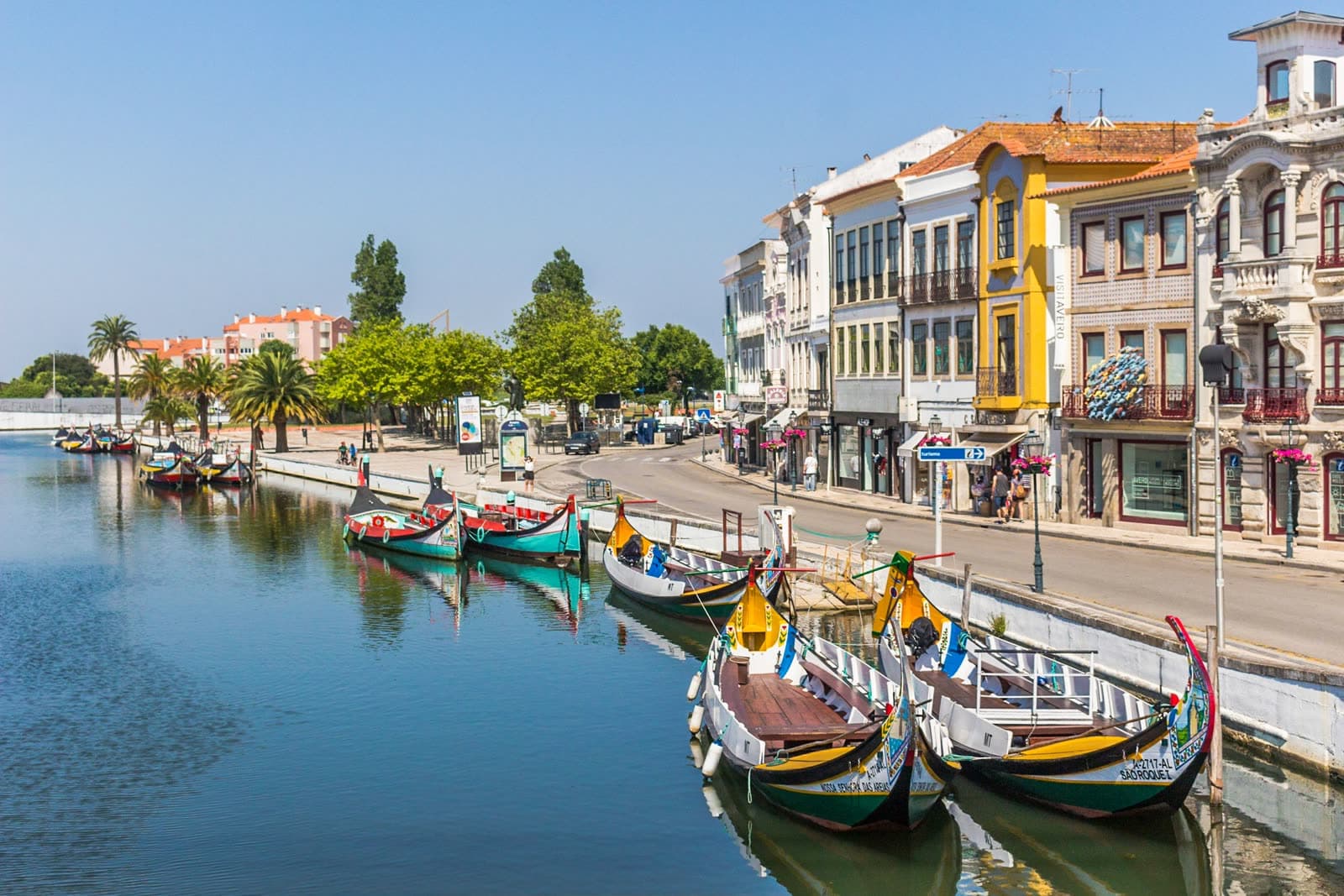
Portugal is an inviting introduction to Europe. Lisbon combines tiled façades, steep streets, viewpoints and contemporary restaurants; Porto brings the Douro and port wine; the Algarve offers cliffs and beaches; the Alentejo provides quiet roads, vineyards and cork forests.
Make time for:
- Lisbon's historic neighbourhoods and food markets.
- Porto's riverfront and wine lodges.
- A journey through the Douro Valley.
- The villages and beaches of the Algarve.
- Évora and the Alentejo.
- Seafood, pastries and regional wines.
- The Azores, if you want volcanic landscapes and a quieter island journey.
Portugal is well suited to couples, families, food lovers, road-trippers and travellers seeking a slower European holiday.
Iceland
Fire, ice and a landscape in motion.
Iceland is less about a long list of cities than about following the road through a changing landscape. Steam rises from the ground, waterfalls appear beside the highway and weather can alter the view within minutes.

Reykjavík works well for a short break. Longer journeys can follow the Golden Circle, south coast, Snaefellsnes Peninsula or Ring Road.
Make time for:
- A geothermal pool.
- A guided glacier or ice-cave experience.
- Waterfalls and volcanic landscapes.
- Whale-watching.
- A slow drive along the south coast.
- A winter search for the northern lights, with realistic expectations.
Iceland suits nature lovers, photographers, road-trippers and travellers who enjoy outdoor experiences more than urban sightseeing.
Experiences to build into a European journey
A memorable European holiday usually combines a few major sights with smaller, less predictable moments.
You might:
- Sail between the Greek islands.
- Watch the Colosseum or Acropolis in the early morning.
- Eat cicchetti in a Venetian bacaro.
- Taste wine in Tuscany, Bordeaux, Rioja or the Douro Valley.
- Travel through the Swiss Alps by scenic train.
- Walk Dubrovnik's walls before the crowds arrive.
- Cycle beside the canals of Amsterdam.
- Join a tapas or pintxos crawl.
- Hear traditional music in Ireland.
- Spend an evening in a Scandinavian sauna.
- Follow a coastal road through Croatia, Sicily, Provence or the Algarve.
- Stay in a historic palazzo, château, farmhouse, vineyard estate or mountain lodge.
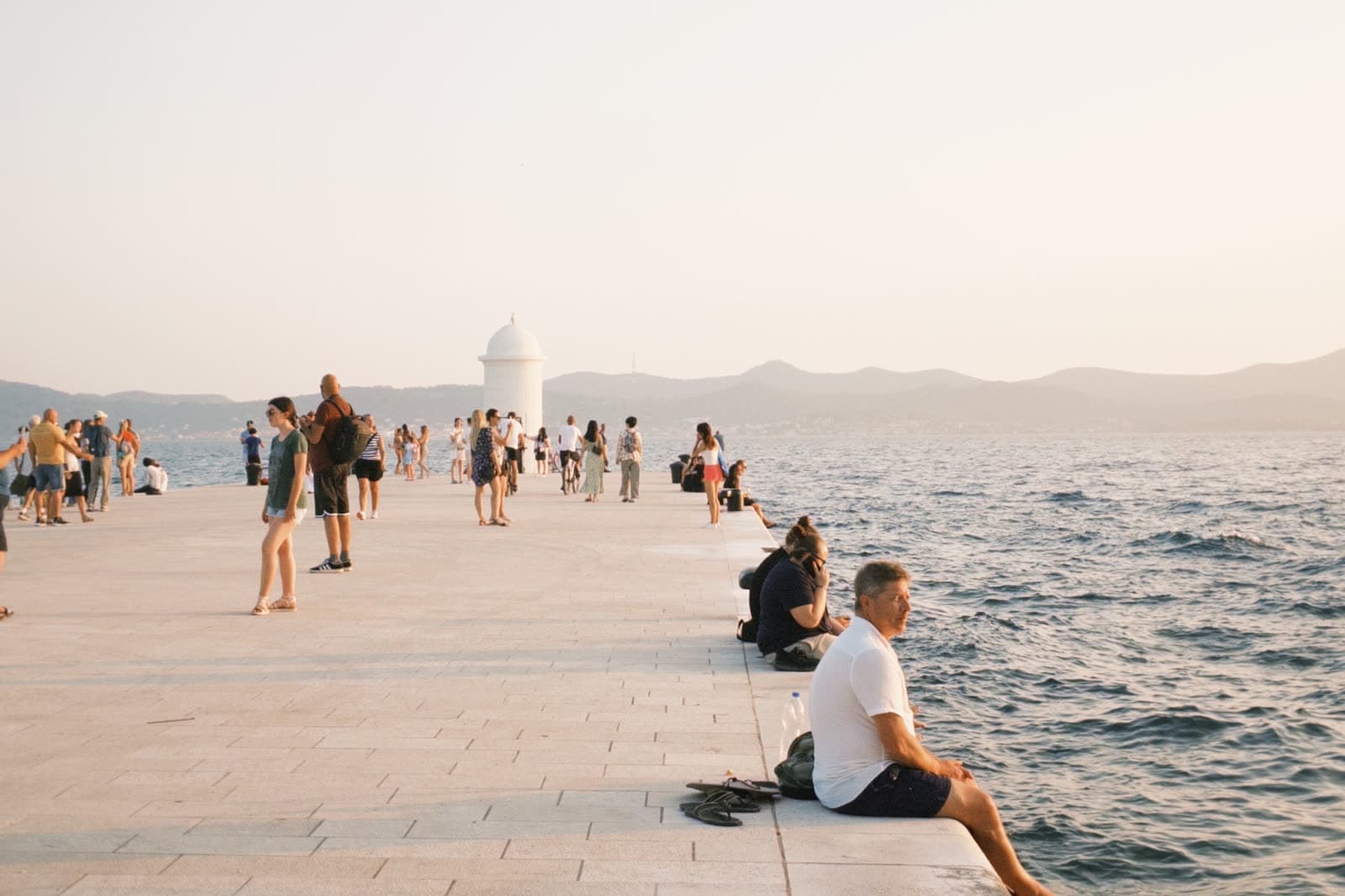
The strongest travel memories are often less elaborate: a market breakfast, a local train, a swim after a coastal walk or a meal in a village that was not in the original plan.
When is the best time to visit Europe?
Spring: March to May
Spring is one of the best seasons for city breaks, gardens, countryside and walking. Flowers arrive, temperatures are generally manageable and many destinations are less crowded than in summer.
Summer: June to August
Summer brings long days, warm Mediterranean water, festivals and the highest demand. Greece, Croatia, Italy, Spain and Portugal are popular for beach holidays, while Scandinavia benefits from extended daylight.
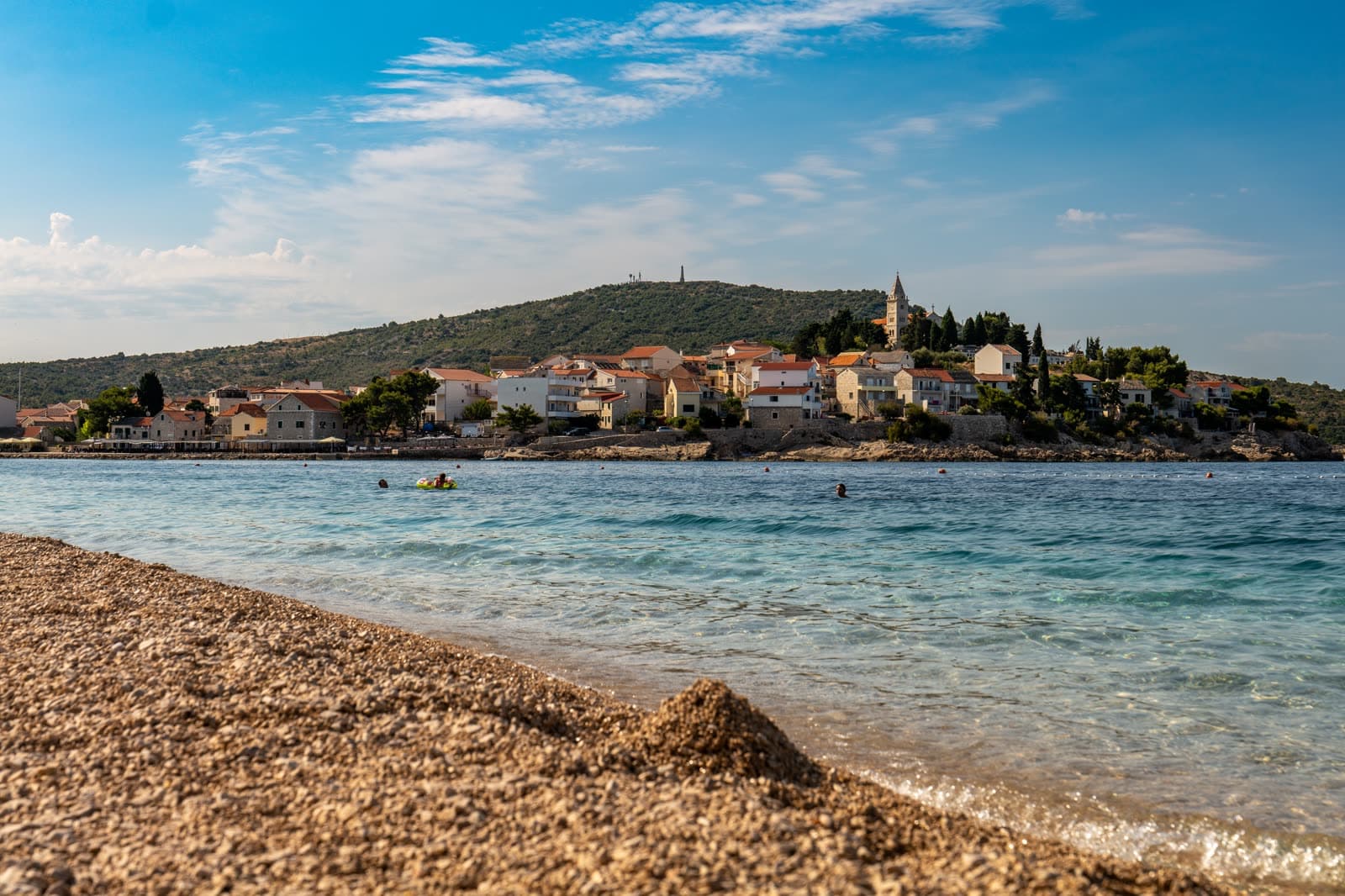
Book major attractions, ferries and coastal accommodation early.
Autumn: September to November
September often retains summer warmth in the Mediterranean, with fewer crowds. October is particularly appealing for food, wine, walking and cultural travel.
Winter: December to February
Winter brings skiing, Christmas markets, museums, northern-lights journeys and quieter city breaks. Southern Spain, Portugal, Sicily and parts of Greece can offer milder conditions, while Switzerland, Austria, France, Italy and Scandinavia provide snow-based experiences.
Europe is a year-round destination, but the best season depends on whether you want beaches, festivals, mountain snow, autumn colour or uncrowded museums.
What is the best way to get around Europe?
Rail travel
High-speed and regional trains connect many major cities, particularly in Italy, France, Spain, Switzerland, the Netherlands, Germany and Austria. Rail is often the most comfortable way to travel between city centres.
Ferries
Ferries are part of the experience in Greece and Croatia and are also useful in Scandinavia, Ireland and Italy. Schedules can be seasonal, and weather may affect crossings.
Driving
A car opens up rural France, Tuscany, Sicily, Croatia, Ireland, Scotland, Portugal and Iceland. It is less useful in historic city centres, where traffic restrictions, parking costs and low-emission zones can complicate travel.
Flights
Flights make sense for long distances and island connections, but compare the full journey, including transfers to and from airports. A slower train or ferry route may take longer while giving more to look at along the way.
Planning from Australia
Give the itinerary a shape
Start with one of these broad frameworks:
- One country explored in depth.
- A city-and-countryside combination.
- A rail journey through several regions.
- A Mediterranean island itinerary.
- A road trip with time for unplanned stops.
- A family route with fewer hotel changes.
- A winter journey built around snow, markets or the northern lights.
Three countries in three weeks may be possible, but it is not always comfortable. Europe rewards leaving space in the itinerary.
Book the experiences that fill up
Advance reservations may be needed for:
- Major museums and galleries.
- Popular archaeological sites.
- High-speed trains.
- Greek and Croatian ferries.
- The Alhambra.
- The Vatican Museums.
- Scenic mountain railways.
- Christmas-market accommodation.
- Northern-lights and winter excursions.
Keep travel practical
Travel insurance should cover medical care, cancellations, missed connections and any activities included in your itinerary. Schengen and Ireland entry rules are covered earlier on this page.
Travel to Europe with Pauls Travel
Europe is not a destination to complete. It is a continent to return to, region by region.
Your first journey might follow the classic route through Rome, Florence and Venice. A later trip may be a Greek island escape, a road trip through Croatia, a week in Provence, a rail journey through Switzerland or a winter adventure in Scandinavia.
Pauls Travel can help arrange:
- A first European holiday built around the essential highlights.
- A multi-country rail journey.
- A Mediterranean island-hopping itinerary.
- A family holiday with a manageable pace.
- A luxury journey through Italy, France, Greece or Switzerland.
- A food and wine itinerary.
- A European river or coastal cruise.
- A driving holiday through Ireland, Croatia, Portugal or Sicily.
- A winter journey focused on skiing, Christmas markets or the northern lights.
- A slower route through lesser-visited towns and regions.
We can help choose the right countries, connect them sensibly and balance famous sights with the places in between.
Ready to explore Europe? Contact Pauls Travel on 03 9070 7461 and start planning your tailor-made journey.