Baggage guide for flights from Australia
Travelling with the right baggage can make or break your trip. This guide explains checked, carry-on, oversized, dangerous goods, and battery rules across Pauls Travel's preferred partner airlines, so you can pack with confidence and avoid surprise fees at the airport.
Use this as a general reference. Exact allowances and fees depend on your airline, fare type, route, and frequent-flyer status. When in doubt, ask us to check your specific booking before you pack.
Quick answerWhat baggage rules should you confirm before you fly?
Checked and carry-on allowances vary by airline, fare, route and frequent-flyer status — they are not one rule. Confirm the limits on your booking. Power banks and spare lithium batteries must travel in carry-on, never in checked baggage. Official airline pages and CASA guidance are linked below.
- Singapore Airlines
- Malaysia Airlines
- Emirates
- Qatar Airways
- Thai Airways
- Lufthansa Group
- Vietnam Airlines
- SriLankan Airlines
- Air India
- Qantas









Checked baggage
What “checked baggage” means
Checked baggage is any bag you hand over at the check-in counter or bag drop and collect at your destination baggage belt. It's stored in the aircraft hold, not in the cabin.
Domestic flights within Australia (general guide)
For most full-service domestic fares operated by major Australian carriers:
- Economy (standard/flex fares): typically 1 piece up to 23 kg
- Premium Economy: often 2 pieces up to 23 kg each
- Business: often 2 pieces up to 32 kg each
- No single bag may exceed 32 kg for safety reasons, even if your total allowance is higher.
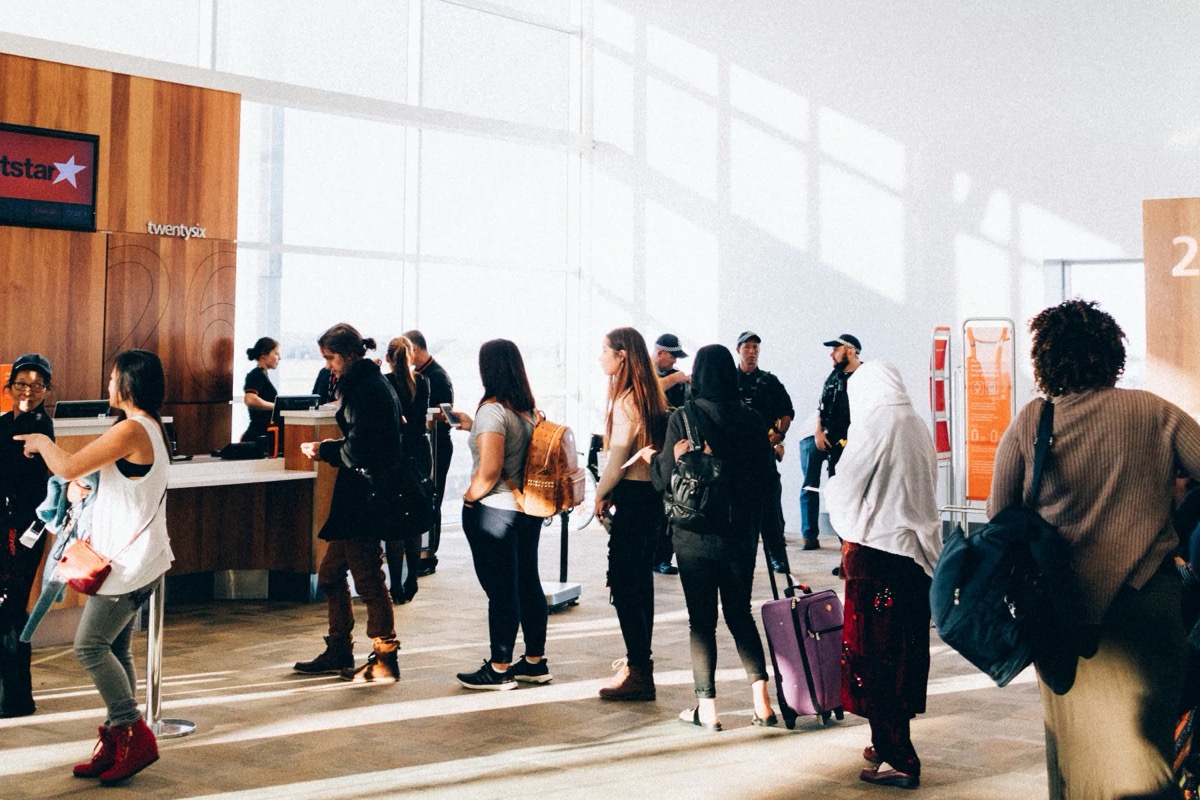
“Lite”, “starter”, or heavily discounted domestic fares may include no checked baggage. In these cases, you can usually pre-purchase baggage in weight blocks (e.g. 15 kg, 20 kg, up to 32 kg). Always confirm your exact allowance in your ticket or by asking our team.
International checked baggage by airline
Pauls Travel is a preferred partner for the following airlines. The tables below summarise typical checked baggage allowances for adults on standard fares from Australia. Your actual allowance may vary by fare brand, route, and frequent-flyer status.
Singapore Airlines
Official reference: Singapore Airlines checked baggage
For most routes from Australia (weight-concept routes):
- No single piece may exceed 32 kg.
- Maximum linear dimensions per piece usually 158 cm (L + W + H).
- KrisFlyer elite and Star Alliance Gold members receive additional allowances.
For flights to/from the USA or Canada (piece concept):
- Economy: 2 pieces, up to 23 kg each
- Business / Suites / First: 2 pieces, up to 32 kg each (plus extra pieces for elite members)
Qantas
Official reference: Qantas baggage information
Domestic (Australia):
- Economy (standard): 1 piece up to 23 kg
- Premium Economy: 2 pieces up to 23 kg each
- Business: 2 pieces up to 32 kg each
International (excluding the Americas):
- Economy: up to 30 kg total (weight-based)
- Premium Economy: up to 40 kg total
- Business: up to 40 kg total
- First: up to 50 kg total
International (to/from North & South America – piece concept):
- Economy: 1 piece up to 32 kg
- Premium Economy: 2 pieces up to 32 kg each
- Business: 2 pieces up to 32 kg each
- First: 3 pieces up to 32 kg each
- No single piece may exceed 32 kg.
- Maximum dimensions typically 158 cm per piece (international) and 140 cm (domestic).
Emirates
Official reference: Emirates baggage information
Emirates uses both weight-concept and piece-concept rules depending on your route.
To/from the Americas and Africa (piece concept):
- Economy Special: 1 piece up to 23 kg
- Economy Saver / Flex / Flex Plus: 2 pieces up to 23 kg each
- Business / First: 2 pieces up to 32 kg each
- No single bag may exceed 32 kg.
- Maximum dimensions usually 158 cm per piece.
Qatar Airways
Official reference: Qatar Airways baggage information
Qatar Airways applies weight-concept rules on most routes from Australia, and piece-concept rules to/from Africa and the Americas.
To/from Africa or the Americas (piece concept):
- Economy Lite: 1 piece up to 23 kg
- Economy Classic / Convenience / Comfort: 2 pieces up to 23 kg each
- Business: 2 pieces up to 32 kg each
- Carry-on in Economy: 1 piece up to 7 kg
- Business: 2 pieces up to 15 kg total
- No single checked bag may exceed 32 kg.
Thai Airways
Official reference: Thai Airways baggage information
Thai Airways uses a mix of weight-concept and piece-concept rules depending on route and fare.
Typical international allowances from Australia (weight concept):
- Economy Saver / Standard: 23 kg total (sometimes 1 piece up to 23 kg)
- Economy Flexi / Full Flex: up to 30 kg total
- Premium Economy: around 35 kg total
- Royal Silk (Business): up to 40 kg total
- Royal First: up to 50 kg total
Piece-concept routes (e.g. to/from the Americas, some long-haul):
- Economy (Full Flex / Flexi): 2 pieces up to 23 kg each
- Economy (Standard / Saver): 1 piece up to 23 kg
- Royal Silk (Business): 2 pieces up to 32 kg each
- Royal First: 2–3 pieces up to 32 kg each (depending on route)
- No single piece may exceed 32 kg.
- Maximum dimensions typically 158 cm per piece.
Lufthansa Group (Lufthansa, SWISS, Austrian, etc.)
Official reference: Lufthansa baggage overview
Lufthansa Group airlines generally apply piece-concept rules on long-haul routes and weight-concept on some shorter European sectors. From Australia (long-haul):
- Economy (standard): usually 1 piece up to 23 kg
- Premium Economy: 2 pieces up to 23 kg each
- Business: 2 pieces up to 32 kg each
- First: 3 pieces up to 32 kg each
- Carry-on in Economy: typically 1 piece up to 8 kg
- Business/First: often 2 pieces, each up to 8 kg
- Maximum linear dimensions per piece usually 158 cm.
Exact allowances vary by fare brand (Light, Classic, Flex, etc.) and frequent-flyer status. We can confirm your specific allowance at booking.
Vietnam Airlines
Official reference: Vietnam Airlines baggage information
For itineraries to/from Australia (excluding some Japan–Australia combinations):
- No single piece may exceed 32 kg.
- Maximum dimensions typically 158 cm per piece.
- Lotusmiles elite members may receive additional allowances.
SriLankan Airlines
Official reference: SriLankan Airlines baggage allowance
SriLankan generally applies weight-concept rules on routes between Australia and Sri Lanka/India/Europe.
Typical allowances (adults, standard fares):
- Economy: 25–30 kg total (depending on fare and route)
- Business: 40 kg total
- First (where offered): up to 50 kg total
- No single bag may exceed 32 kg.
- Piece-concept rules may apply on some routes (e.g. to/from the Americas), often 1–2 pieces up to 23–32 kg depending on class.
Because SriLankan's rules can vary significantly by route and fare, we recommend confirming your exact allowance when you book.
Air India
Official reference: Air India baggage guidelines
Air India uses both weight-concept and piece-concept rules depending on the route. From Australia (typically via Singapore, Bangkok, or other hubs):
Long-haul international (weight concept, typical):
- Economy: 25–30 kg total (varies by fare and destination)
- Business: 40 kg total
- First (where offered): up to 50 kg total
To/from the Americas and some other piece-concept routes:
- Economy: 1–2 pieces up to 23 kg each
- Business / First: 2 pieces up to 32 kg each
- No single piece may exceed 32 kg.
- Maximum dimensions usually 158 cm per piece.
Your exact allowance depends on your fare brand (e.g. Saver, Flex) and Flying Returns status. We can check this for you at booking.
Malaysia Airlines
Official reference: Malaysia Airlines baggage information
Malaysia Airlines typically applies weight-concept rules on routes between Australia and Asia/Europe, with piece-concept rules on some long-haul sectors.
Typical allowances from Australia:
- Economy: 25–30 kg total (depending on fare and route)
- Business: 40 kg total
- First (where offered): up to 50 kg total
On piece-concept routes (e.g. to/from the Americas, where applicable):
- Economy: 1–2 pieces up to 23 kg each
- Business / First: 2 pieces up to 32 kg each
- No single piece may exceed 32 kg.
- Maximum dimensions typically 158 cm per piece.
Enrich members and higher fare brands often receive additional allowances.
Carry-on baggage
Carry-on (hand) baggage travels with you in the cabin and must fit in the overhead locker or under the seat in front of you. Rules vary by airline and class.
General carry-on guidelines (partner airlines)
Singapore Airlines
- Economy: 1 piece up to 7 kg (plus a small personal item on many routes)
- Business / First: 2 pieces up to 15 kg total (often 7 kg + 8 kg or similar)
Qantas
- Domestic and international Economy: 1 overhead bag up to 7 kg plus a small personal item
- Premium Economy / Business / First: 2–3 items with combined weight up to 14 kg, no single item over 10 kg
Emirates
- Economy: 1 piece up to 7 kg (plus a small personal item such as a handbag or laptop bag)
- Business / First: 2 pieces, each up to 7 kg (combined around 14 kg) plus a personal item
Qatar Airways
- Economy: 1 piece up to 7 kg (max 50 × 37 × 25 cm) plus a small personal item
- Business: 2 pieces up to 15 kg total plus a personal item
Thai Airways
- Economy / Economy Plus: 1 piece up to 7 kg (max 56 × 45 × 25 cm) plus a small personal item (handbag/laptop) up to 1.5 kg
- Business / First: 2 pieces, combined up to 14 kg (typical)
Lufthansa Group
- Economy: 1 piece up to 8 kg (max 55 × 40 × 23 cm) plus a small personal item
- Business / First: 2 pieces, each up to 8 kg
Vietnam Airlines
- Economy / Premium Economy: 1 main piece up to 10 kg plus a small accessory; combined carry-on limit often 12 kg
- Business: 2 pieces up to 18 kg total plus a small accessory
SriLankan Airlines / Air India / Malaysia Airlines
- Economy: typically 1 piece up to 7–8 kg plus a small personal item
- Business / First: 2 pieces, combined up to 12–15 kg depending on airline and route
Always check your specific ticket, as some discounted fares have reduced or stricter carry-on rules.
Oversized and special baggage
Oversized baggage includes any checked item that exceeds standard size limits, even if it's within your weight allowance. This often applies to sports equipment, musical instruments, and large fragile items.
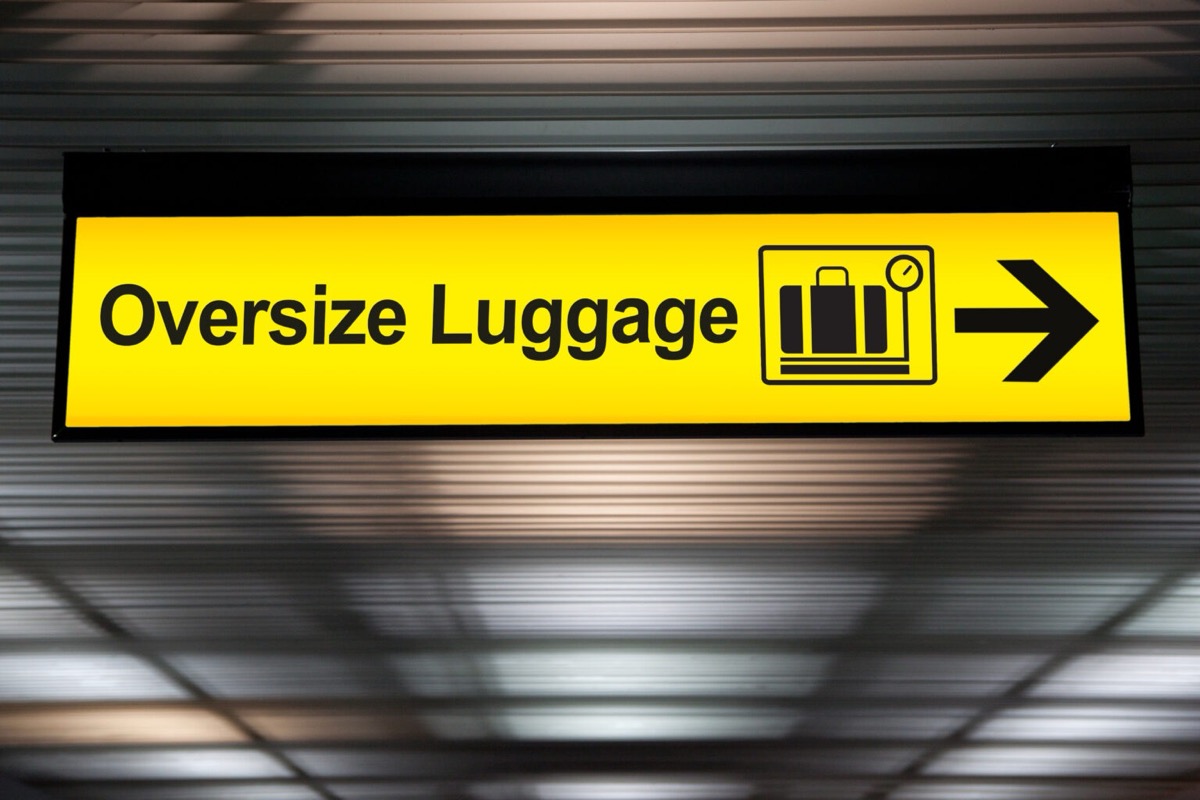
What counts as “oversized”?
A common rule across many international carriers:
- Any bag or item with one side longer than 1 metre (100 cm), including wheels, handles, and packaging, is considered oversized.
- Oversized items must usually be under 2.3 m in length (some aircraft allow up to 2.77 m).
- No single item may weigh more than 32 kg, even if your allowance is higher.
Common oversized items
- Surfboards, skis, snowboards, skateboards, scooters
- Bicycles
- Fishing rods
- Scuba diving equipment
- Golf clubs and large golf bags
- Large musical instruments (e.g. cellos, double basses in cases)
- Large paintings, statues, TVs, furniture pieces over 1 m in any dimension
How oversized baggage is charged
- Oversized fees are in addition to your normal checked baggage allowance.
- Fees are usually charged per item, per flight.
- Pre-paying online or via manage-booking is almost always cheaper than paying at the airport.
Because oversized and sports-equipment policies vary by airline and route (and sometimes by aircraft type), we recommend confirming fees and packing requirements when you book.
Dangerous goods: what you can and can't fly with
“Dangerous goods” are items that could endanger the aircraft, crew, or passengers if not handled correctly. Rules are strict and enforced by security and airline staff.
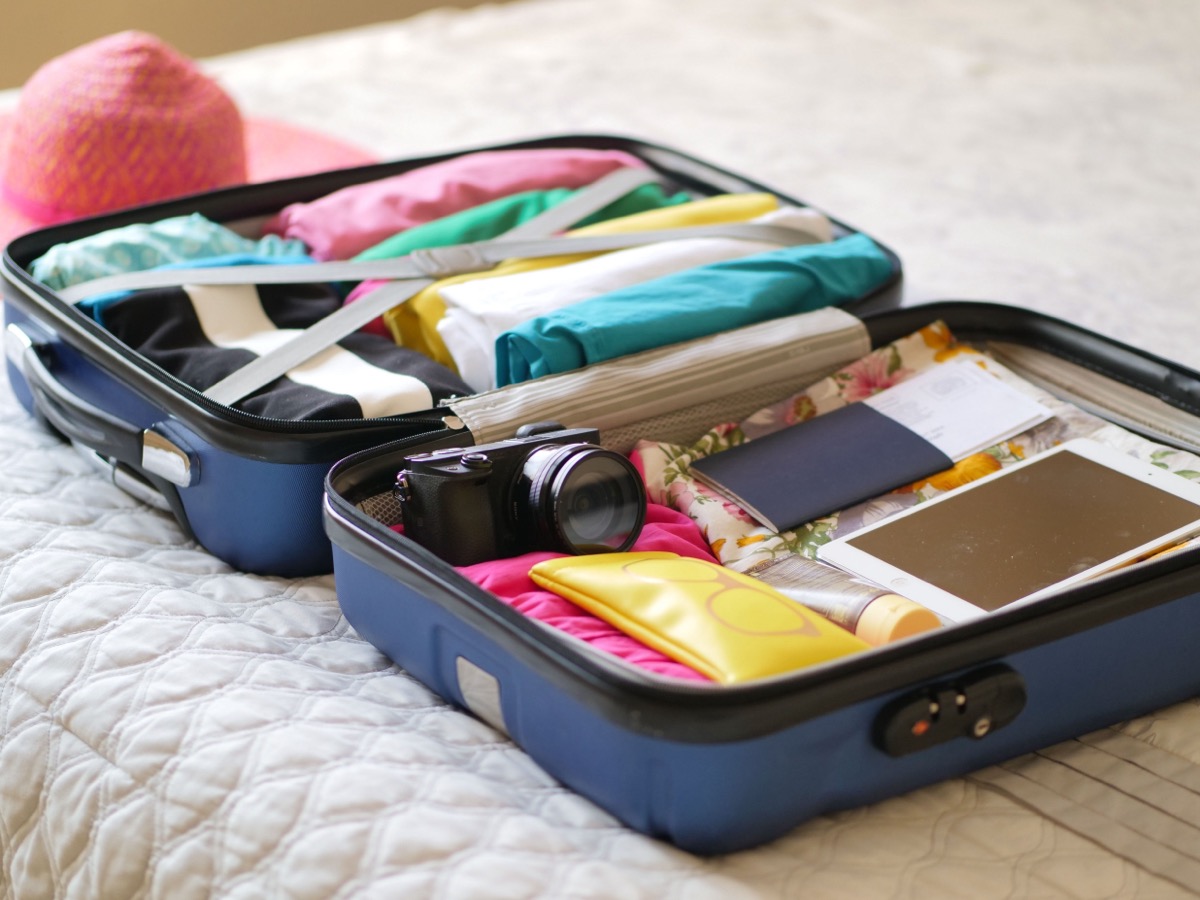
Common dangerous goods categories
Typical restricted or regulated items include:
- Aerosols and toiletries: deodorants, hairspray, spray paints
- Flammable liquids and gases: petrol, lighter fluid, camping gas, solvents
- Chemicals and cleaning products: bleach, strong acids/alkalis
- Compressed gases: CO₂ cylinders, scuba tanks (unless properly prepared and declared)
- Fire-starting items: matches, lighters, fireworks, flares
- Tools and sharp objects: certain power tools, saws, knives, blades
- Batteries and power banks: especially lithium types (see next section)
- Vapes and e-cigarettes: allowed in cabin only, never in checked baggage
General rules
- Many dangerous goods are banned entirely from passenger aircraft (e.g. fireworks, explosives, large fuel containers).
- Some items are allowed only in carry-on, some only in checked, and some require airline approval before travel.
- You must declare dangerous goods at check-in; undeclared items can lead to bags being removed, fines, or missed flights.
If you're unsure about a specific item (e.g. camping stove, medical oxygen, large aerosols), ask us or check the airline's dangerous-goods page before you pack.
Can you take power banks on a flight?
Lithium batteries and power banks are among the most common dangerous goods travellers carry. Rules are strict because of fire risk in the cargo hold.
Key principles
- Spare (loose) lithium batteries and power banks must travel in carry-on baggage only. They are not allowed in checked bags.
- Devices with built-in batteries (phones, laptops, cameras) can usually go in either carry-on or checked, but airlines increasingly recommend keeping them in carry-on where possible.
- Power banks cannot be used or charged on board; they must remain switched off and accessible.
Capacity limits (Wh = watt-hours)
Lithium battery rules are based on capacity:
- Up to 100 Wh
- Covers almost all normal phones, laptops, cameras, and typical power banks (e.g. 10,000–20,000 mAh).
- Generally allowed without special approval.
- Must be in carry-on if spare/loose.
- 100–160 Wh
- Larger power banks, some professional camera batteries, bigger e-bike or mobility-device batteries.
- Usually allowed with airline approval, limited to two spare batteries per passenger.
- Must be in carry-on if spare/loose.
- Over 160 Wh
- Large e-scooter/e-skateboard batteries, big mobility-device batteries, some industrial packs.
- Not permitted in passenger baggage (carry-on or checked) unless part of an approved mobility aid under specific conditions.
- Must be shipped as freight if allowed at all.
Power banks: quick rules
- Allowed in carry-on only, never in checked baggage.
- Typically limited to two power banks per passenger.
- Up to 100 Wh: no approval needed.
- 100–160 Wh: airline approval required; still carry-on only.
- Over 160 Wh: not permitted in passenger baggage.
- Cannot be used or charged during flight; must be switched off and stowed.
Smart bags and built-in batteries
- “Smart bags” with built-in batteries or USB charging are allowed only if the battery/power bank can be removed.
- If you check the bag, you must remove the battery and carry it in your carry-on.
- Bags with small button-cell or alkaline-powered devices (e.g. bag tags, locks, scales) are generally fine in checked baggage.
If you travel with e-bikes, e-scooters, large camera rigs, or medical devices with big batteries, contact us early so we can confirm what's allowed and whether approval is needed.
See CASA lithium battery guidance and IATA lithium battery rules.
Excess and heavy baggage: what to expect
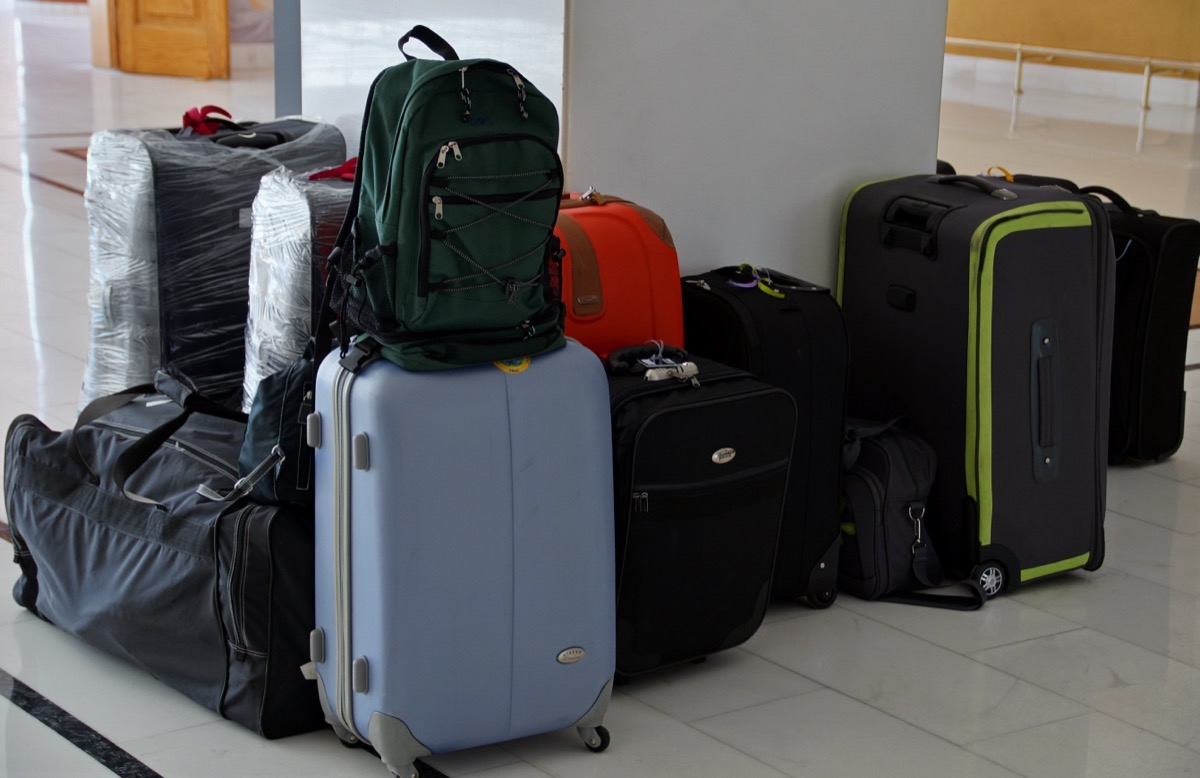
If your bags exceed your allowance in weight, number of pieces, or size, you'll usually face extra charges. These can be significant, especially if paid at the airport.
Common charge types
- Extra piece fee: for each bag beyond your included allowance.
- Overweight fee: for bags over your allowed weight but under the maximum (often 23–32 kg).
- Oversized item fee: for items over standard size limits (e.g. >100 cm in one dimension).
- Heavy bag fee: for bags over a certain weight threshold (often >23 kg), even if within your piece allowance.
Typical examples (indicative only)
Qantas (domestic)
- Extra piece at airport: around $150 per bag
- Heavy charge for bags over 23 kg: around $60 per bag
- No bag over 32 kg accepted
International carriers (general)
- Excess weight fees often charged per kg above your allowance
- Piece-concept routes: extra piece fees per additional bag (e.g. 23 kg or 32 kg piece)
- Pre-paying online is almost always cheaper than paying at the airport
Always pre-purchase extra or heavy baggage where possible. Airport rates are almost always higher, and some fare types have limited availability for extra bags at the counter.
Practical packing tips
- Know your allowance before you pack. Check your ticket or ask us to confirm your exact checked and carry-on limits for your airline and fare.
- Weigh your bags at home. A cheap luggage scale can save you from excess fees at the airport.
- Pre-pay for extra/oversized bags. It's cheaper and guarantees space on the aircraft.
- Keep batteries and valuables in carry-on. Spare lithium batteries, power banks, electronics, medicines, and important documents should never be in checked bags.
- Declare special items early. Sports gear, musical instruments, mobility aids, and medical equipment should be discussed at booking or at least 48–72 hours before departure.
Need help with your baggage?
If you're unsure about allowances, fees, or whether a specific item is allowed, our team can check your exact itinerary and airline rules and advise the most cost-effective option. For complex baggage scenarios, especially for groups and charters, talk to our team before you pack. Speak to our travel specialist today 03 9070 7461 to check your baggage options.