India: A land of endless wonder
Golden Triangle forts, Kerala backwaters, Ayurveda, temple cities and tiger country — how to shape a tailor-made India journey.
Quick answerHow should I shape a first India trip?
India is too large to cover in one trip. A first visit from Australia is usually more comfortable between October and March and works best focused on one or two regions, such as the Golden Triangle or Kerala. Allow about 12 to 18 days. Delhi and Mumbai are the main gateways.
India is not merely a travel destination; it is an immersive sensory experience. From the snow-dusted peaks of the Himalayas to the palm-fringed backwaters of the south, this vast country encompasses an extraordinary range of landscapes, cultures, traditions and experiences.
India can feel like several destinations within one journey. In the north, Mughal monuments, royal palaces, desert forts and bustling bazaars tell stories of empires and dynasties. In the south, ancient temple cities, tropical coastlines, spice plantations and tranquil waterways invite you to slow down.
Whether you are seeking the Taj Mahal, spiritual renewal, wildlife, royal heritage, regional cuisine or a restorative Ayurveda retreat, India rewards curiosity. Its greatest experiences often come from taking time to notice the details: the sound of temple bells, the aroma of spices in a market, the craftsmanship of a palace courtyard or the changing light over a river.
At Pauls Travel, we can design a tailor-made India holiday around your interests, preferred pace and travel style.
India at a glance
For many first-time itineraries, the most comfortable time to visit India is between October and March, when much of the north is cooler and drier. India's climate varies considerably, however, so the best season depends on your route: Ladakh is generally a summer destination, while southern India follows a different monsoon pattern.
Allow around 12 to 18 days for a well-paced introduction or a journey through one region. India is too vast to cover meaningfully in a single trip, so it is better to focus on one or two areas and leave time for the experiences between the headline sights.
Delhi and Mumbai are the principal international gateways, while Bengaluru, Chennai and Kochi are useful entry points for southern India. The currency is the Indian rupee (INR / ₹). Cards are widely accepted in cities and established hotels, but cash remains useful for markets, smaller restaurants, local transport and rural areas.
India is a country of continental scale, so choosing a focused route is one of the best ways to enjoy it. A journey through the Golden Triangle will feel very different from an Ayurveda retreat in Kerala or a wildlife adventure in central India.
North and South India
India's diversity is one of its defining characteristics. 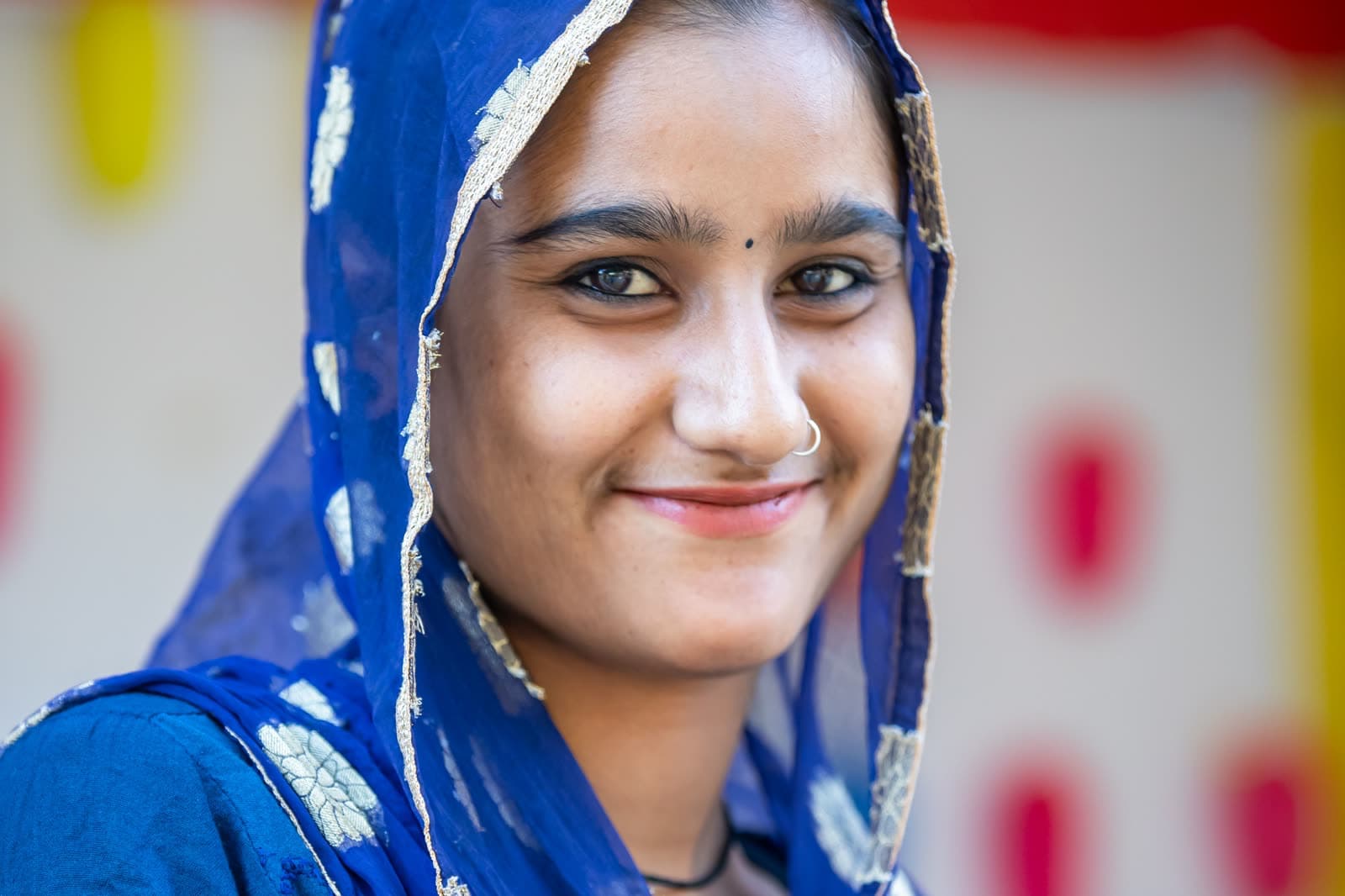
The contrast between north and south is not absolute—both regions contain enormous variety—but understanding their broad differences can help shape the right itinerary.
North India: grand architecture and dramatic history
Northern India is home to the classic first-time route through Delhi, Agra and Jaipur. The region combines Mughal heritage, royal Rajasthan, sacred rivers, Himalayan landscapes and lively urban centres.
Expect:
- Grand forts, palaces and Mughal monuments.
- The Taj Mahal and other historic sites around Agra.
- Desert landscapes and colourful cities in Rajasthan.
- Bustling markets and street-food scenes.
- The spiritual atmosphere of Varanasi and Amritsar.
- Himalayan foothills, mountain valleys and Buddhist monasteries.
- Tiger safaris in national parks such as Ranthambore.
Northern cuisine commonly features wheat breads, tandoor cooking, aromatic rice, dairy-rich sauces, kebabs and richly spiced vegetarian dishes. The food changes significantly from Delhi and Punjab to Rajasthan, Uttar Pradesh, the Himalayan states and Bengal.
South India: lush landscapes and slower living
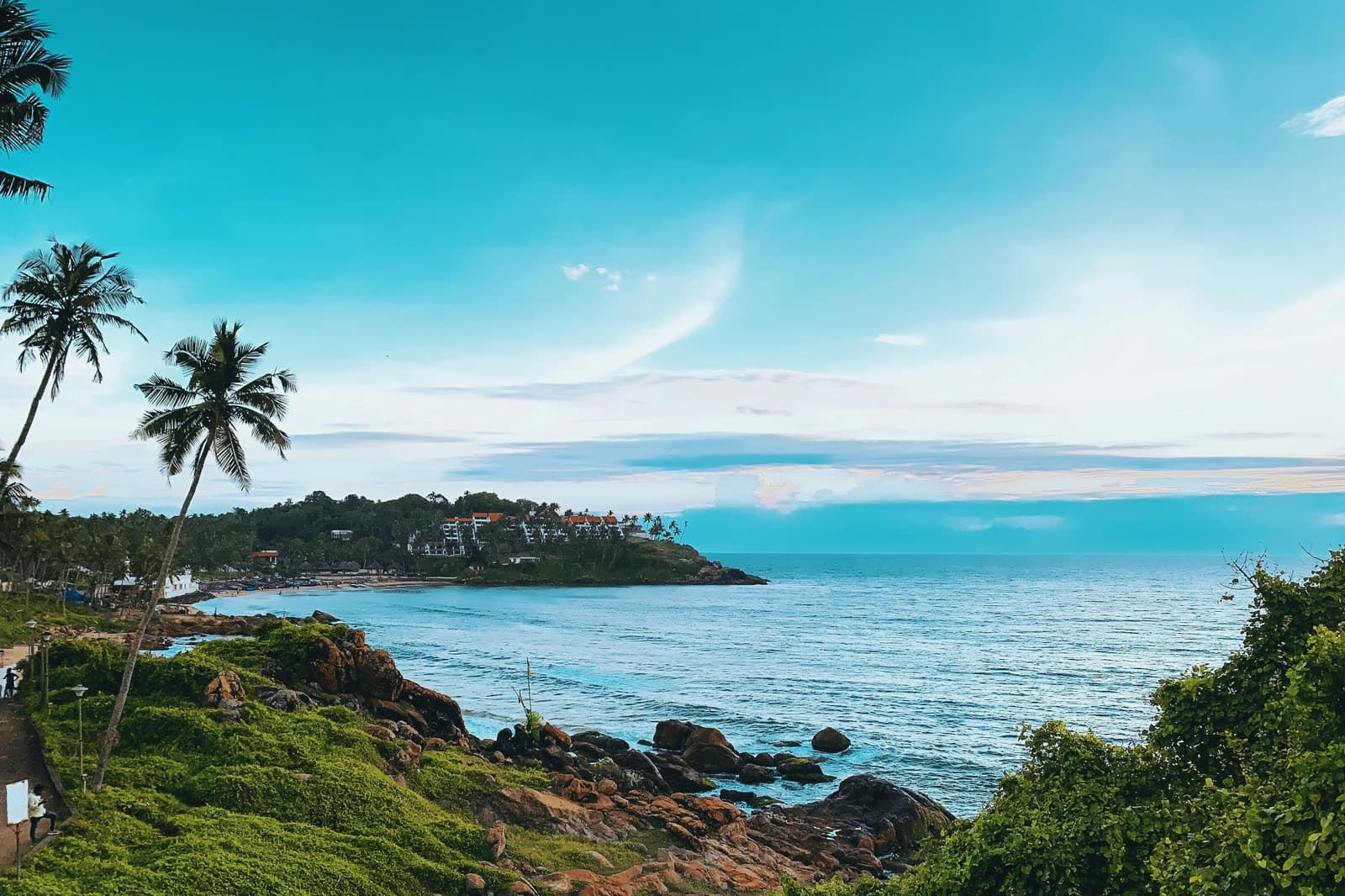
South India offers a gentler rhythm, although it is no less culturally rich. The region is shaped by the Western Ghats, tropical coastlines, tea and coffee plantations, ancient Dravidian temples and the waterways of Kerala.
Expect:
- Towering temple gateways and living religious traditions.
- Tropical forests, beaches and mountain scenery.
- Kerala's backwaters and houseboats.
- Ayurveda, yoga and wellness retreats.
- Kalaripayattu, Kerala's traditional martial art.
- Historic trading ports such as Kochi.
- The ruins of Hampi and the palaces of Mysore.
- Distinctive rice-based and coastal cuisines.
Southern food often uses rice, coconut, tamarind, curry leaves, lentils and fresh seafood. Dosas, idlis, sambar, appam and regional thalis provide a very different culinary experience from the breads, kebabs and gravies associated with northern India.
The Golden Triangle
The Golden Triangle connects Delhi, Agra and Jaipur and is one of the most popular ways to experience India for the first time. It combines historic cities, Mughal architecture, royal heritage and vibrant local life.
Delhi: India's historic gateway
Delhi is a city of layers. Ancient ruins, Mughal monuments, colonial avenues and contemporary restaurants exist alongside one another.
Explore:
- Old Delhi's markets, lanes and street-food culture.
- Jama Masjid and the historic Mughal quarter.
- Humayun's Tomb and its formal gardens.
- Qutub Minar and the surrounding archaeological complex.
- India Gate and New Delhi's broad boulevards.
- Chandni Chowk's colourful bazaars.
- Contemporary galleries, restaurants and design spaces.
- The peaceful grounds of the Lotus Temple.
Delhi is also an excellent place to begin a guided food walk, with regional cuisines from across India represented in its restaurants and markets.
Agra: home of the Taj Mahal
The Taj Mahal is one of the world's most recognisable monuments and an essential experience for many visitors to India.
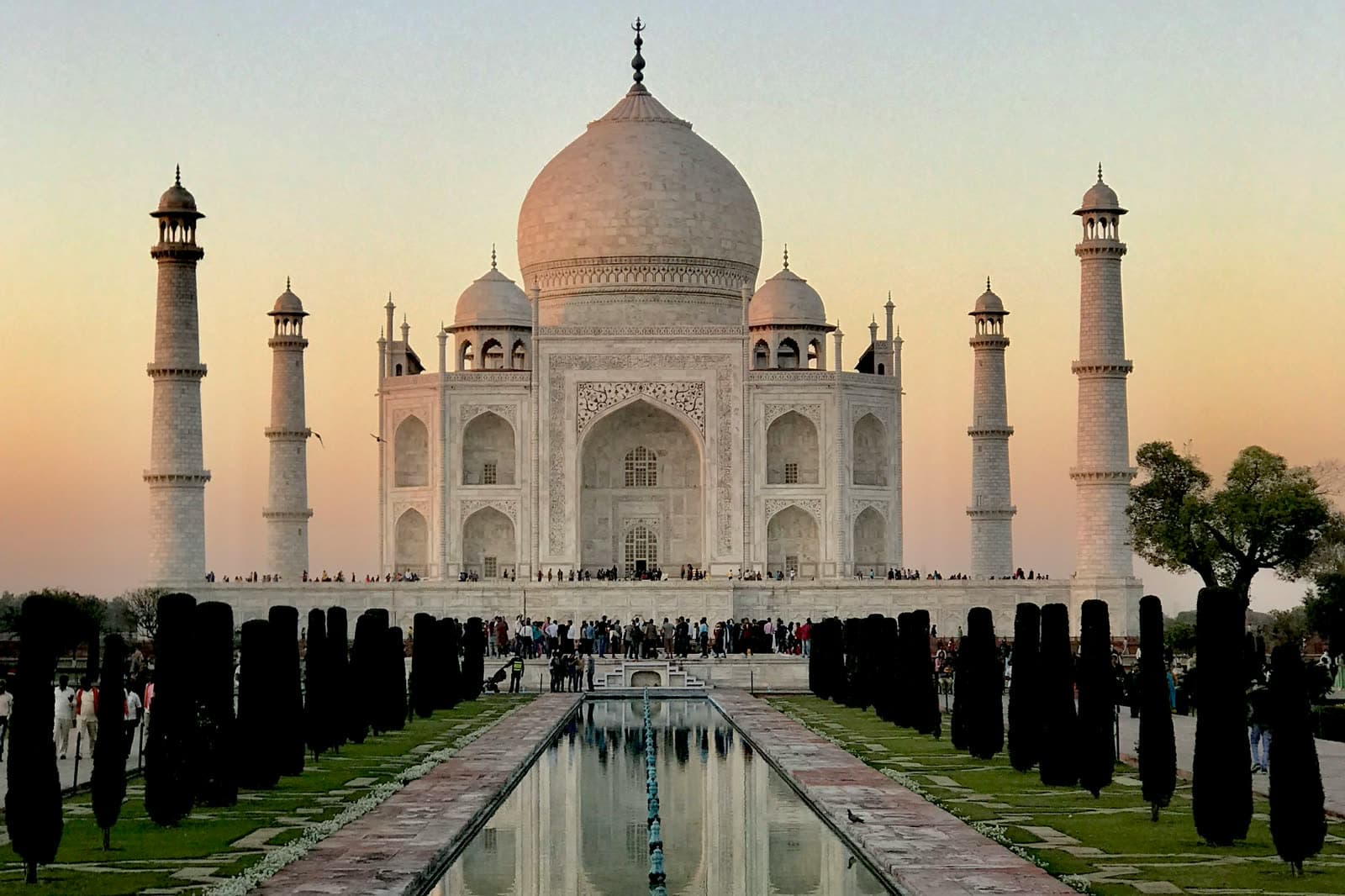
Built by Mughal emperor Shah Jahan in memory of his wife Mumtaz Mahal, the white-marble mausoleum is known for its symmetry, delicate inlay work, monumental dome and formal gardens. Its appearance changes with the light, taking on soft pink, ivory or brilliant white tones throughout the day.
A sunrise visit can provide a more peaceful experience and beautiful light across the marble. Agra also deserves more than a brief stop. Explore Agra Fort, visit local marble-inlay workshops or travel to Fatehpur Sikri, the abandoned Mughal city located nearby.
Jaipur: the Pink City
Jaipur, the capital of Rajasthan, is known for its pink-hued historic centre, grand palaces, lively bazaars and traditional crafts.
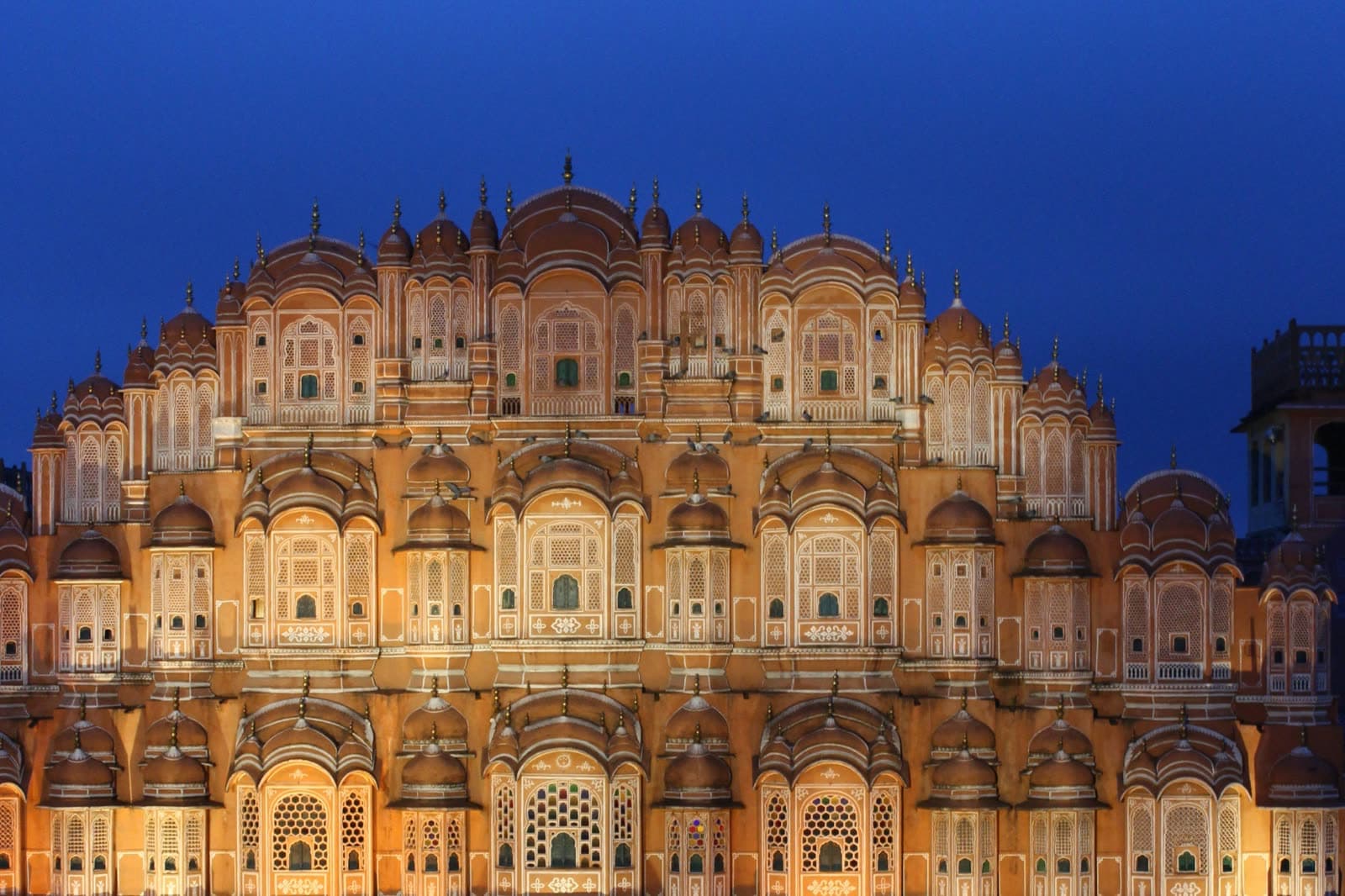
The city's highlights include:
- Amber Fort: A spectacular hilltop complex with grand courtyards, mirror work and views across the surrounding landscape.
- Hawa Mahal: The Palace of the Winds, recognised for its intricately designed façade.
- City Palace: A living royal complex with museums, courtyards and ceremonial spaces.
- Jantar Mantar: A remarkable historic astronomical observatory.
- Local workshops: Discover block printing, jewellery, textiles and blue pottery.
- Rajasthani cuisine: Enjoy regional dishes in heritage settings or local restaurants.
Jaipur is an ideal place to stay in a restored haveli or heritage hotel.
Rajasthan: forts, palaces and desert landscapes
Rajasthan offers some of India's most theatrical scenery. Hilltop fortresses, lake palaces, colourful markets and desert towns create a journey filled with history and atmosphere.
Jodhpur: the Blue City
Mehrangarh Fort rises dramatically above Jodhpur's blue-painted houses. Its courtyards, royal galleries and carved sandstone details reveal the power and sophistication of Rajasthan's former rulers.
Explore the old city below, browse spice markets and artisan workshops, or enjoy a rooftop meal overlooking the blue rooftops.
Udaipur: lakes and romance
Udaipur is built around the tranquil waters of Lake Pichola and is often regarded as one of India's most romantic cities.
Take a boat across the lake, explore the City Palace, walk through the old city or enjoy dinner overlooking the water. Udaipur is especially appealing for couples and honeymooners, although its architecture, history and markets make it rewarding for every traveller.
Jaisalmer: the golden city
Rising from the Thar Desert, Jaisalmer is known for its golden sandstone architecture and living fort. A desert camp, camel safari or sunset experience can add a different dimension to a Rajasthan journey.
Rural Rajasthan
Beyond the major cities, rural Rajasthan offers a slower and more personal experience. Stay at a heritage property, visit a village, meet local artisans, learn about traditional crafts or explore the region with a private guide.
Temples and spiritual India
India's temples are active places of worship, art and community life. They are not simply monuments to view from the outside; they are living environments shaped by rituals, festivals, music and daily devotion.
Varanasi and the Ganges
Varanasi is one of India's most powerful destinations. Along the ghats of the Ganges, observe early-morning rituals, take a sunrise boat ride or witness the evening Ganga Aarti ceremony as lamps and prayers illuminate the river.
Varanasi can be intense and deeply moving. A knowledgeable local guide can help explain the city's traditions and ensure that visits are approached respectfully.
South India's temple cities
Tamil Nadu is renowned for its Dravidian temple architecture. Towering gopurams—ornate gateways covered in colourful sculptures—rise above historic towns and continue to serve as important centres of worship.
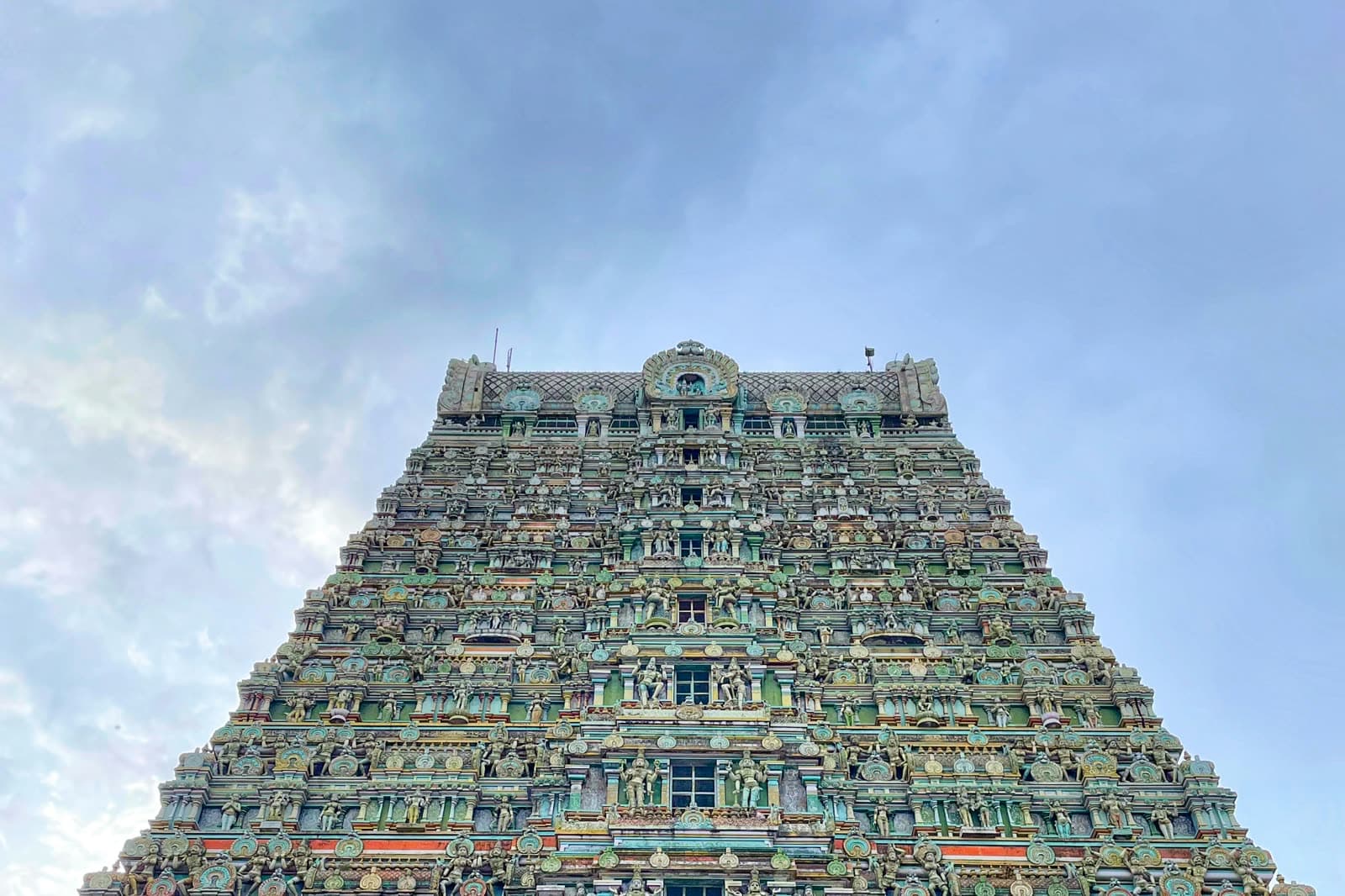
Consider visiting:
- Meenakshi Amman Temple in Madurai.
- The temples of Thanjavur.
- The coastal monuments of Mahabalipuram.
- The vast temple complex at Srirangam.
- The sacred city of Kanchipuram.
- The temple towns and classical arts of Tamil Nadu.
Other significant spiritual experiences include visiting the Golden Temple in Amritsar, Buddhist monasteries in the Himalayas and the pilgrimage sites of Bodh Gaya, Rishikesh and Haridwar.
Visitors should dress modestly, remove shoes where required and follow local guidance around photography and ceremonies.
Kerala: wellness, martial arts and natural harmony
Kerala, on India's southwestern Malabar Coast, offers a gentle contrast to the energy of the northern plains. Its landscape combines tropical waterways, palm-covered coastlines, spice plantations, tea-covered hills and historic trading ports.
A Kerala journey might include Kochi, Munnar, Thekkady, Alleppey, Kumarakom and a coastal retreat.
Kochi: a historic gateway
Kochi has been shaped by centuries of trade and international influence. Explore Fort Kochi's atmospheric streets, colonial-era buildings, churches, galleries, cafés and traditional Chinese fishing nets.
Kochi is also an excellent place to begin a food tour or cooking class, with influences from Kerala's Hindu, Muslim, Christian and coastal communities.
Ayurveda: the science of wellbeing
Ayurveda is an ancient Indian system of health and wellbeing and an important part of Kerala's cultural identity. A carefully selected Ayurvedic retreat can provide time to rest, restore and focus on personal wellbeing.
Programmes may include:
- A personal consultation.
- Traditional oil treatments and massages.
- Herbal therapies.
- Yoga and meditation.
- Nutrition and lifestyle guidance.
- Restorative time in a peaceful natural setting.
Retreats range from short wellness stays to longer structured programmes. They may be located beside the backwaters, near the coast or among the spice plantations of Thekkady and Wayanad.
Ayurvedic treatments should be undertaken through reputable practitioners. They are not a substitute for medical care, and travellers with health conditions or existing medications should seek appropriate professional advice before participating.
Kalaripayattu: Kerala's traditional martial art
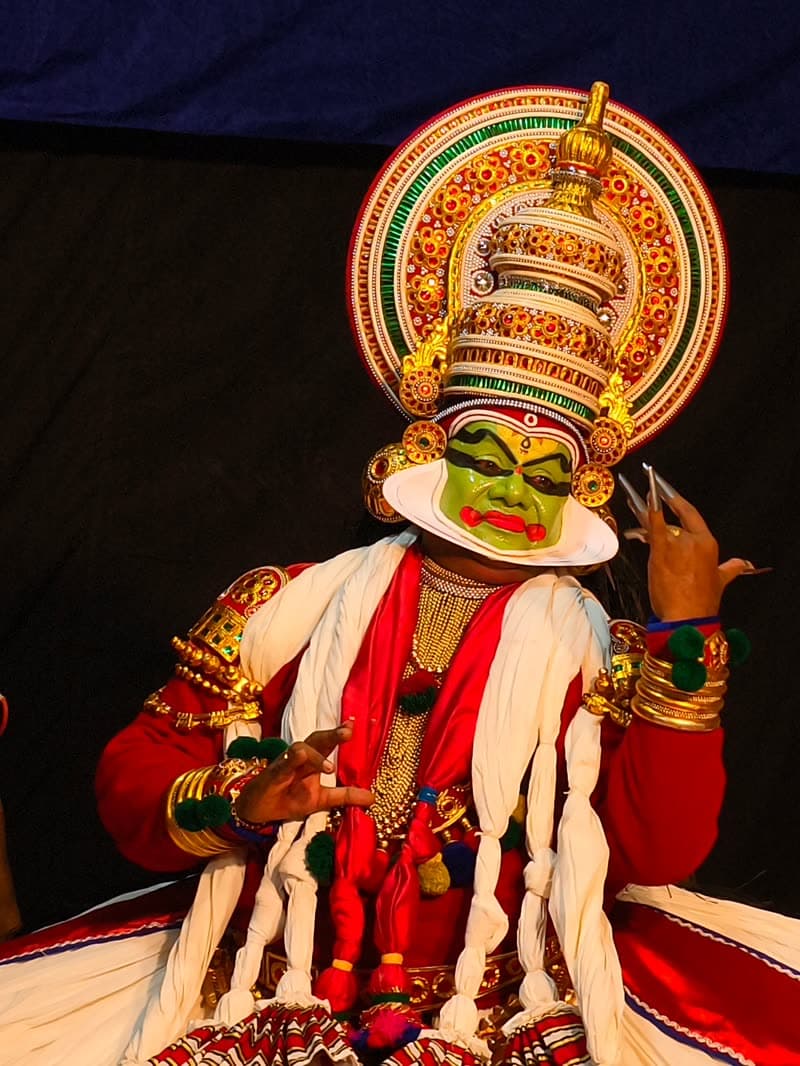
Kalaripayattu, often shortened to Kalari, is a traditional martial art associated with Kerala. Its training combines agility, flexibility, precise footwork, physical discipline and the controlled use of traditional weapons.
Watch practitioners perform inside a traditional earth-floored kalari, where movement, breath and concentration come together in a highly expressive display.
A Kalari experience may include:
- Watching a live demonstration.
- Learning about the history and philosophy of the art.
- Visiting a training centre.
- Joining an introductory movement or flexibility session.
- Combining a performance with a wider Kerala cultural programme.
Backwaters and houseboat life
Gliding along Kerala's emerald network of canals, lagoons and waterways aboard a private kettuvallam remains one of India's most relaxing experiences.
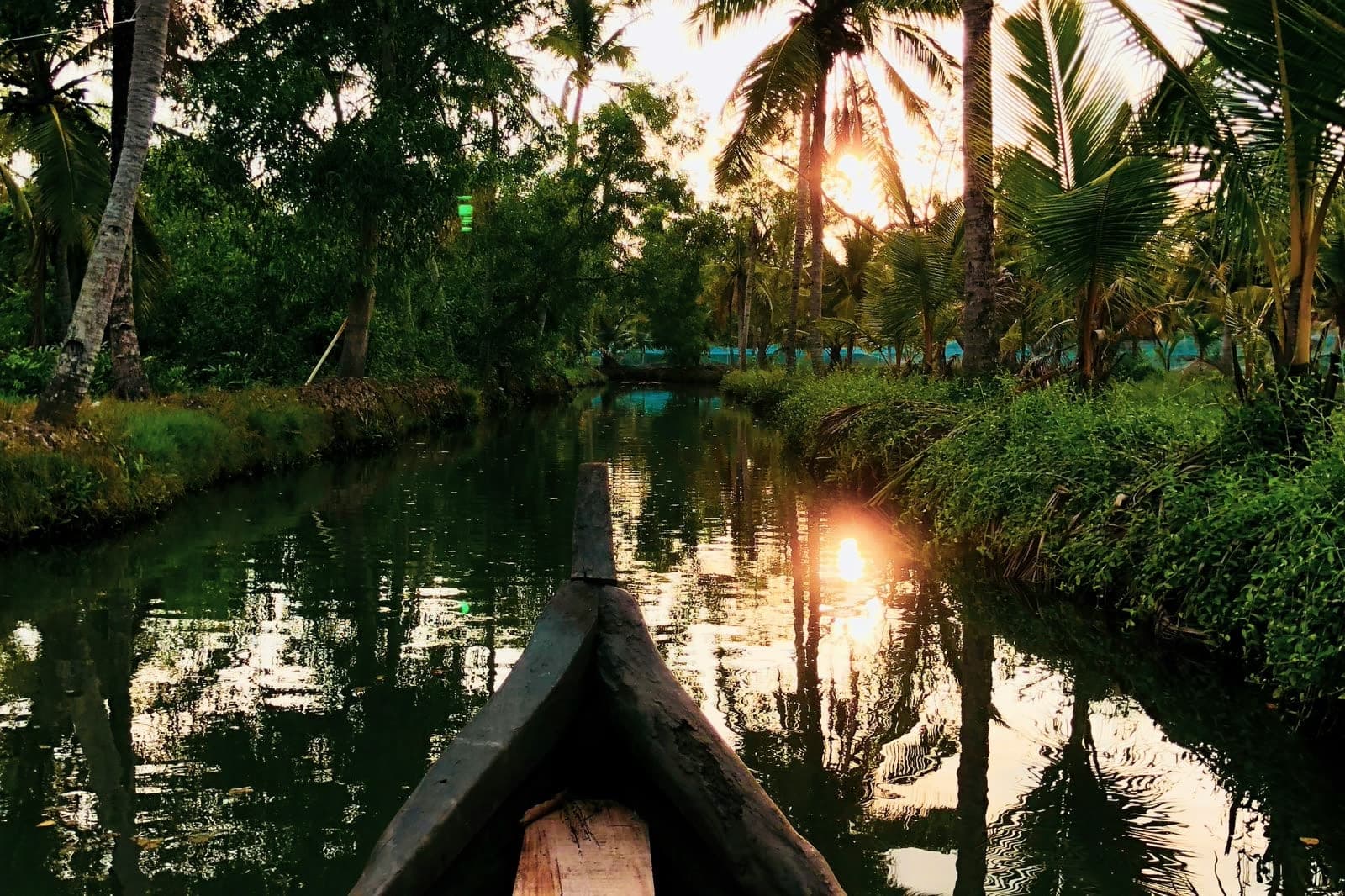
These traditional thatched houseboats offer a slow-moving view of local life. Pass paddy fields, coconut palms, village homes and small waterways while enjoying freshly prepared Kerala cuisine on board.
A houseboat journey can be arranged as a day experience or overnight stay, depending on the route and preferred level of comfort.
Munnar, Thekkady and the Western Ghats
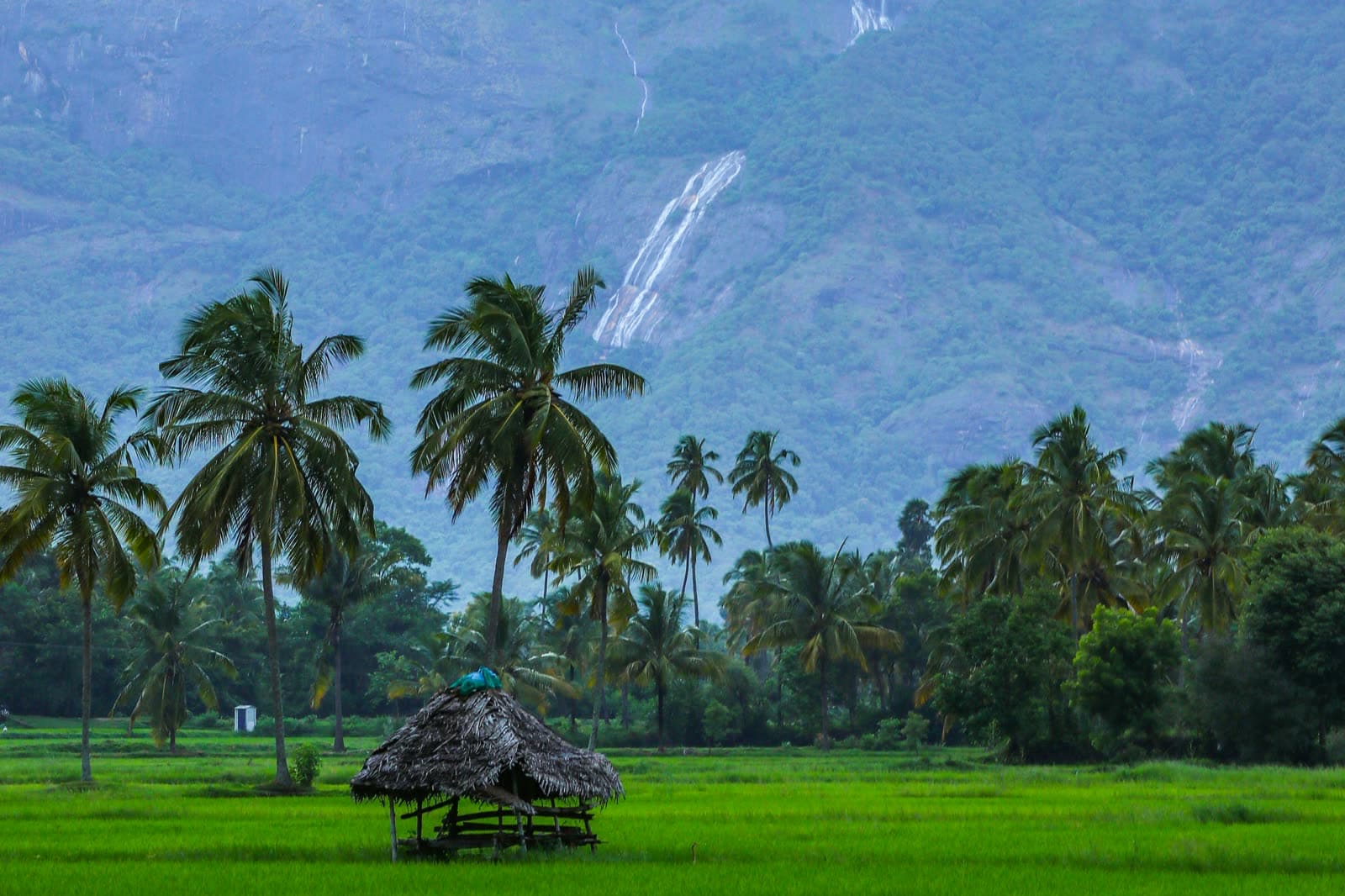
The hill station of Munnar is surrounded by tea plantations and cool mountain air. Thekkady provides access to spice gardens and Periyar's wildlife, while Wayanad offers forests, waterfalls, plantations and rural landscapes.
Together, these destinations create a balanced Kerala itinerary combining wellness, nature, food and cultural experiences.
India's extraordinary food scene
There is no single Indian cuisine. Food changes dramatically across regions, communities, climates and traditions. A meal in Rajasthan may have little in common with one in Kerala, while Bengal, Goa, Punjab, Gujarat and the northeast offer their own distinctive flavours.
Northern cuisine
Northern Indian cooking often features wheat, dairy, tandoor ovens, aromatic spices and slow-cooked dishes.
Try:
- Tandoori meats and vegetables.
- Naan, roti and paratha.
- Butter chicken and other Mughlai dishes.
- Dal makhani and regional vegetarian dishes.
- Biryani and kebabs.
- Rajasthani dal baati churma.
- Street-food favourites such as chaat and samosas.
Southern cuisine
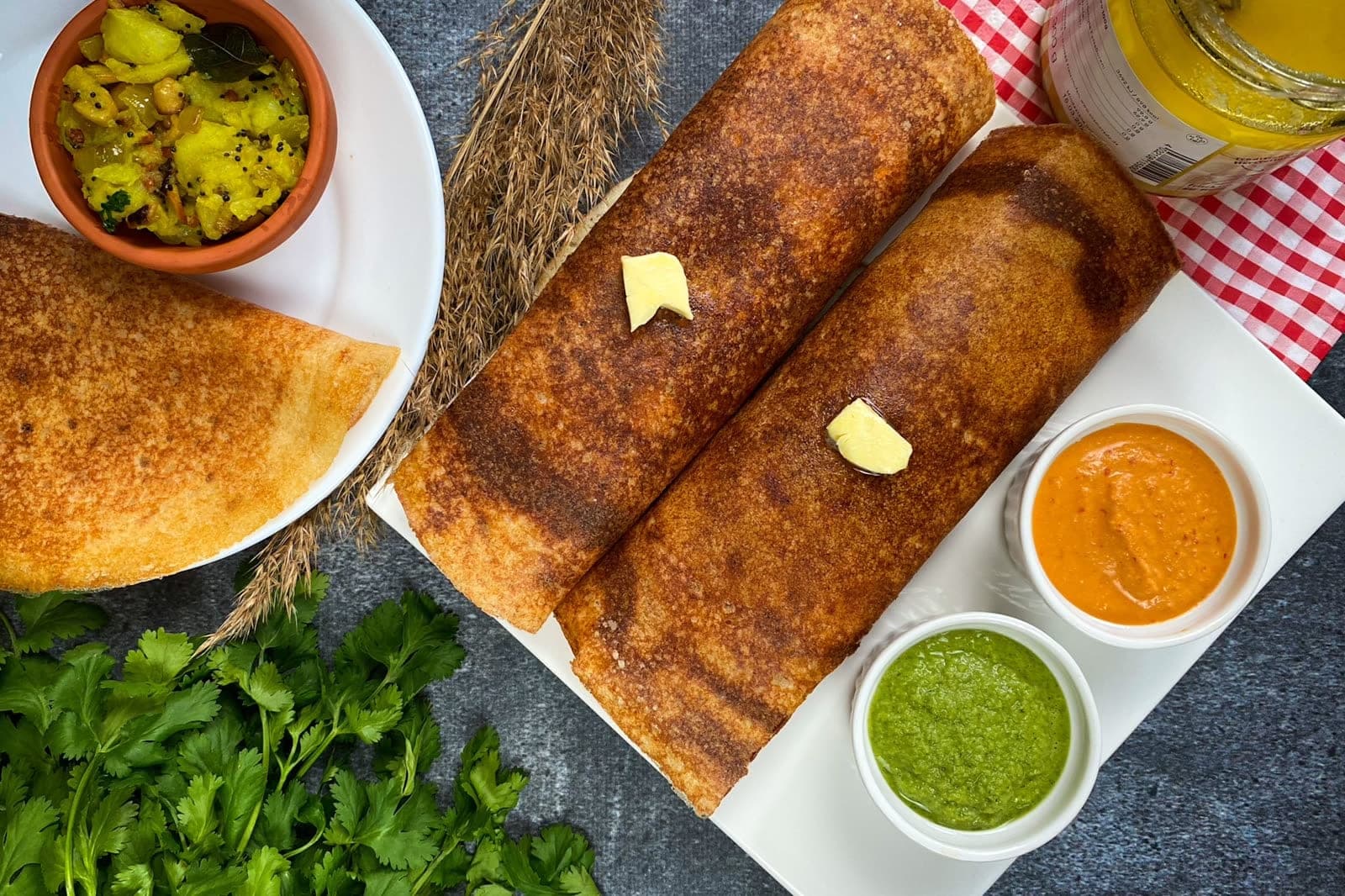
Southern cuisine is often rice-based and makes generous use of coconut, tamarind, curry leaves, lentils, fermented batters and fresh seafood.
Look for:
- Dosas with sambar and chutneys.
- Idlis and vadas.
- Kerala seafood and coconut-based curries.
- Appam with stew.
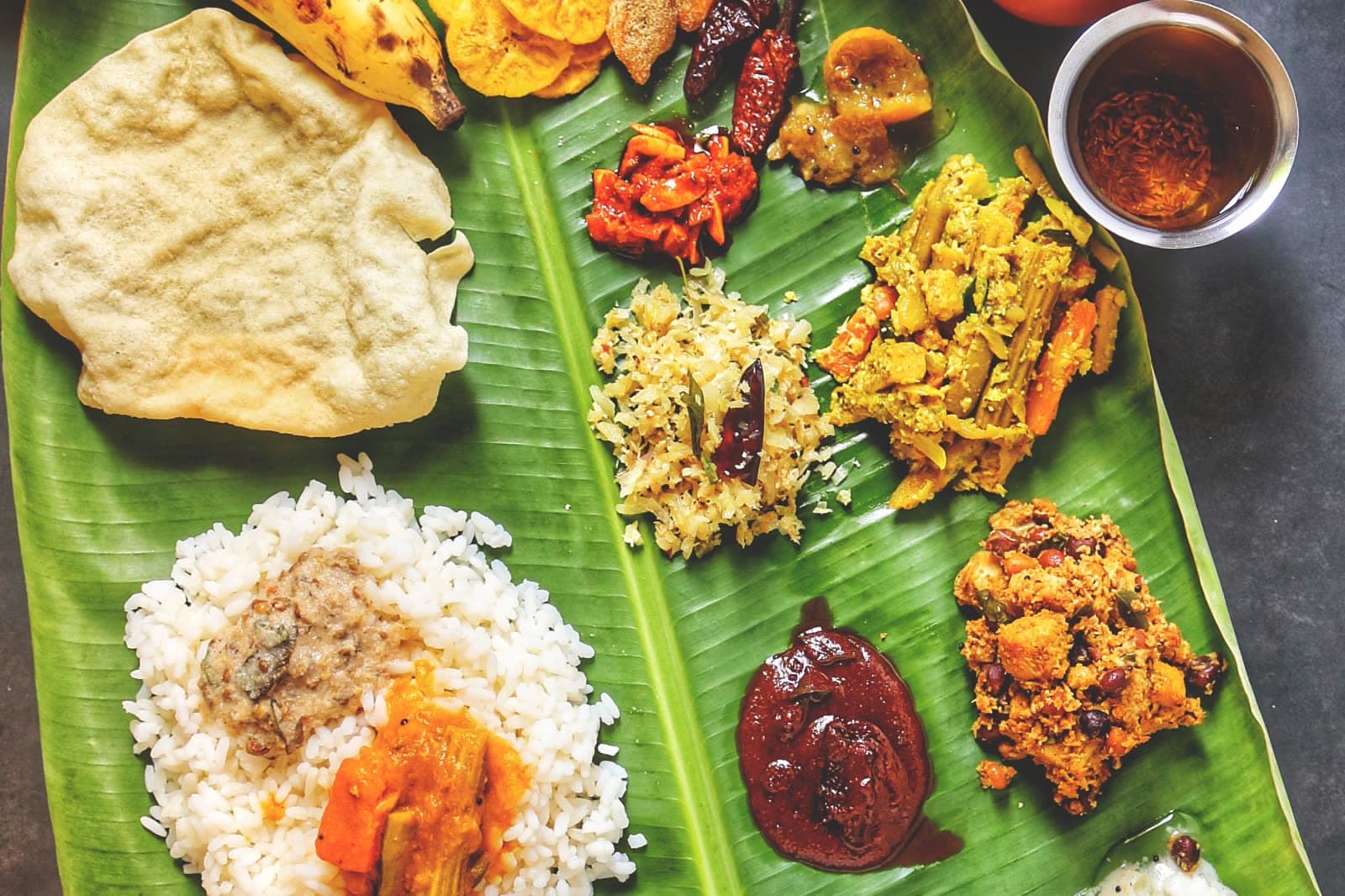
- Tamil vegetarian thalis served on banana leaves.
- Hyderabadi biryani.
- Coastal Goan and Mangalorean dishes.
- Filter coffee served in traditional stainless-steel cups.
Regional food experiences
Food can become one of the main themes of your holiday. Include:
- A guided street-food tour in Delhi, Mumbai or Kolkata.
- A cooking class with a local family.
- A spice plantation visit in Kerala.
- A market tour with a chef.
- A traditional thali lunch.
- A tea or coffee plantation experience.
- A private dinner in a heritage property.
- A regional food walk through an old city.
- A visit to a local sweet-maker or spice merchant.
India's food scene is also shaped by religion and community. Vegetarian, Jain, Muslim, Sikh, Christian and coastal culinary traditions all contribute to the country's remarkable variety.
Wildlife and the natural world
India's diverse habitats support Bengal tigers, Asian elephants, one-horned rhinoceroses, leopards, sloth bears, crocodiles and hundreds of bird species.
Popular wildlife destinations include:
- Ranthambore National Park: A convenient addition to a Rajasthan itinerary.
- Bandhavgarh National Park: Known for tiger habitats and forest scenery.
- Kanha National Park: A large reserve with diverse landscapes and wildlife.
- Pench National Park: Forests and landscapes associated with The Jungle Book.
- Kaziranga National Park: Home to the one-horned rhinoceros.
- Periyar National Park: A scenic wildlife reserve in Kerala.
- Nagarhole National Park: Forests, elephants and rich biodiversity.
- The Himalayas: Trekking, birdwatching and mountain culture.
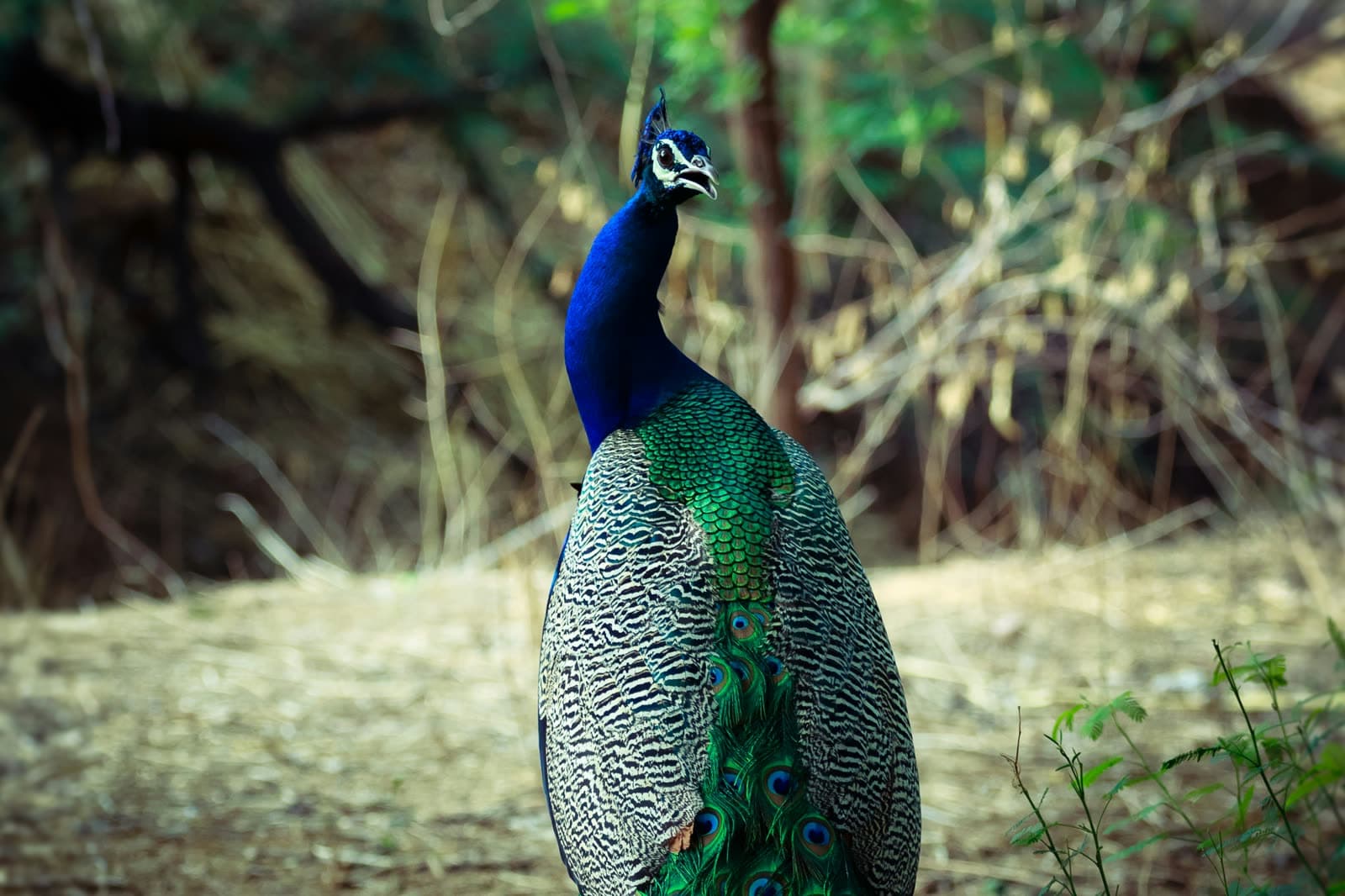
Wildlife sightings are never guaranteed. Responsible travel means choosing operators who follow park rules, maintain respectful distances and support local conservation.
Places to stay
Accommodation can be one of the defining elements of an India holiday. Options include:
- Restored palaces and heritage hotels in Rajasthan.
- Boutique havelis in historic cities.
- Luxury hotels in Delhi, Mumbai and Bengaluru.
- Converted colonial buildings.
- Family-run guesthouses.
- Safari lodges near national parks.
- Tea-estate bungalows in the hills.
- Ayurvedic wellness resorts in Kerala.
- Traditional houseboats on the backwaters.
- Beach resorts in Kerala, Goa and the Andaman Islands.
- Mountain lodges in the Himalayas.
A thoughtfully designed itinerary can combine several accommodation styles, allowing you to experience India through its history, architecture, scenery and hospitality.
When is the best time to visit India?
Because India spans several climatic zones, the best time to travel depends on the regions you plan to visit.
October to March
This is generally the most popular period for northern and central India, with comfortable conditions for sightseeing, wildlife and overland journeys. Delhi, Agra, Jaipur, Rajasthan and many Golden Triangle itineraries are especially appealing during these months.
December and January can bring cool mornings and occasional fog in northern India.
April and May
The plains can be very hot, but these months can be rewarding for wildlife safaris, when animals may gather near water. Hill stations, the Himalayan foothills and some southern regions can offer cooler alternatives.
June to September
The monsoon brings heavy rain to many parts of India, particularly the west coast and south. Kerala becomes lush and green, while some wellness retreats offer seasonal Ayurveda programmes.
The Himalayas, Ladakh and parts of the northeast may be more suitable during this period, subject to local weather and access conditions.
Festival travel
Festivals such as Diwali, Holi, Navratri, Durga Puja and Onam can add colour, music and energy to a journey. Dates vary each year, and accommodation or transport can become limited around major celebrations.
How do you travel around India?
India's size means that a combination of transport is usually the most practical approach.
- Private car and driver: Useful for the Golden Triangle, Rajasthan and regional journeys, allowing flexibility and comfortable sightseeing.
- Domestic flights: Helpful when connecting distant regions such as Delhi, Kerala, Rajasthan and Tamil Nadu.
- Rail travel: A memorable way to experience the country and connect major cities.
- Luxury trains: Selected journeys offer a more comfortable and immersive exploration of regions such as Rajasthan.
- Houseboats: A distinctive way to travel through Kerala's backwaters.
- Walking tours: Ideal for old cities, markets, temple districts and historic neighbourhoods.
Traffic, station transfers and road conditions can affect journey times. A well-paced itinerary should allow room for unexpected delays and unplanned discoveries.
Practical travel tips
A little preparation can make your India holiday more comfortable and respectful.
- Dress modestly, particularly when visiting temples, mosques, gurdwaras and rural communities.
- Choose loose, breathable clothing that covers the shoulders and knees.
- Remove shoes before entering many temples, homes and religious sites.
- Ask permission before photographing people.
- Follow local instructions around ceremonies, sacred areas and photography.
- Carry hand sanitiser, tissues and a reusable water bottle with an approved filtration system where appropriate.
- Keep small amounts of cash for markets, tips and smaller businesses.
- Allow extra time for traffic, security checks, train journeys and airport transfers.
- Choose reputable guides, drivers, wellness centres and wildlife operators.
- Travellers to India should check current entry, health and visa advice from Smartraveller before departure.
India can feel intense for first-time visitors. A private guide, carefully selected accommodation and a sensible pace can make the difference between simply seeing the country and truly experiencing it.
Suggested India itineraries
The classic Golden Route and Rajasthan
Suggested duration: 10 to 12 days
Delhi – Agra – Jaipur – Udaipur
Experience India's historic capital, see the Taj Mahal at sunrise, explore Amber Fort, discover Jaipur's markets and relax beside Udaipur's lakes.
Extend the route with Jodhpur, Jaisalmer, Ranthambore or a rural heritage stay.
Kerala wellness and coastal slow travel
Suggested duration: 8 to 10 days
Kochi – Munnar – Thekkady – Alleppey – Marari Beach
Explore Kochi's historic trading port, walk through Munnar's tea hills, visit a spice plantation, cruise the backwaters and unwind at an Ayurvedic retreat or coastal resort.
Add a Kalari demonstration, a cooking class or a longer wellness programme.
South India temples and Kerala
Suggested duration: 12 to 16 days
Chennai – Mahabalipuram – Pondicherry – Thanjavur – Madurai – Kochi – Kerala backwaters
Combine Tamil Nadu's remarkable temples and classical traditions with Kerala's waterways, plantations and wellness experiences.
India for food lovers
Suggested duration: 10 to 14 days
Delhi – Jaipur – Mumbai – Goa – Kochi – Kerala
Explore street food, royal kitchens, regional markets, coastal seafood, spice plantations and cooking traditions across north and south India.
India for wildlife lovers
Suggested duration: 12 to 18 days
Delhi – Agra – Ranthambore – central India national parks – Mumbai or Kerala
Combine the Taj Mahal and northern India's historic highlights with tiger safaris or the wildlife of Kerala's Western Ghats.
India for couples and honeymoons
Combine the Taj Mahal, Rajasthan's palace hotels, private dinners in Udaipur, a wellness retreat in Kerala and a relaxing beach stay in Goa, Kerala or the Andaman Islands.
India for families
India can create memorable experiences for families, particularly with older children and teenagers. Include wildlife safaris, interactive cooking classes, train journeys, historic forts, hands-on craft workshops and carefully chosen accommodation with time to rest.
Travel to India with Pauls Travel
India invites you to travel slowly, stay curious and look beyond a checklist of famous sights. The Taj Mahal may be the image that first draws you there, but the most lasting memories may come from a houseboat journey in Kerala, a meal shared with a local family, the stories of a fort guide or the quiet discipline of an Ayurveda retreat.
At Pauls Travel, we design tailor-made, specialist-led journeys across India, combining hand-picked accommodation, private transfers and meaningful local experiences.
We can help arrange:
- The classic Golden Triangle.
- Rajasthan's forts, palaces and heritage hotels.
- A sunrise visit to the Taj Mahal.
- South India's temples and cultural traditions.
- Ayurveda, yoga and wellness in Kerala.
- A Kalaripayattu demonstration or introductory experience.
- A private houseboat journey through the backwaters.
- Luxury wildlife safaris.
- Regional food tours and cooking experiences.
- Himalayan landscapes and spiritual retreats.
- Family adventures and romantic honeymoons.
- A bespoke journey beyond the usual routes.
Ready to discover India? Contact Pauls Travel on 03 9070 7461 and start creating your custom itinerary.